


Washington signals readiness to act
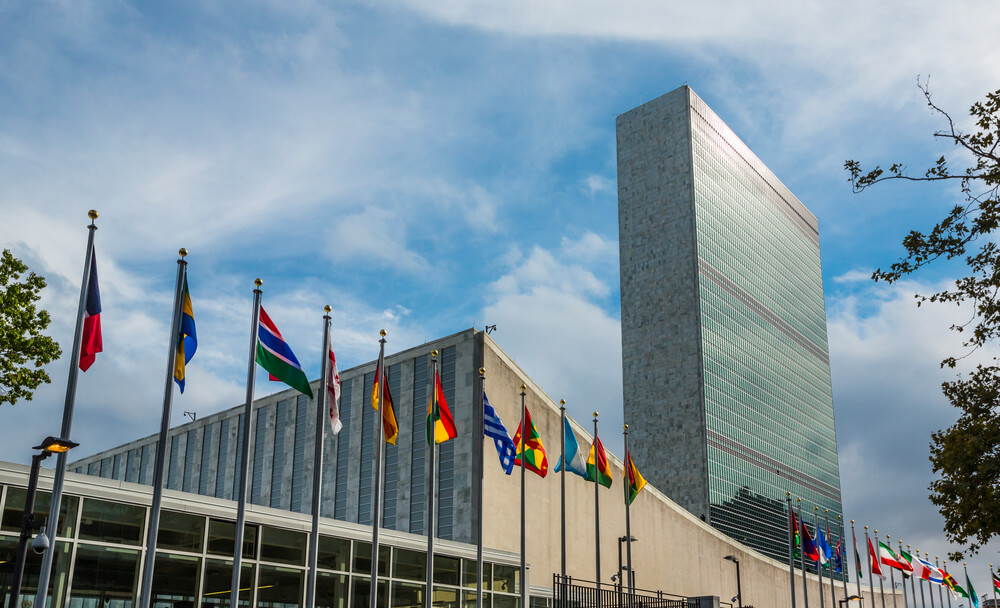
The United States has warned Iran that it is prepared to take military action if Tehran continues to use lethal force against protesters, US officials told an emergency session of the UN Security Council on Thursday. Speaking on behalf of the Trump administration, US Ambassador Mike Waltz said President Donald Trump remains open to intervention if the crackdown on nationwide demonstrations persists.
Waltz told council members that the president is not inclined toward prolonged diplomacy, stressing that “all options are on the table” to stop what he described as the killing of civilians. His remarks underscored the seriousness of Washington’s warning to Iran’s leadership.
Iran pushes back at the UN
Iran’s deputy ambassador to the United Nations, Hossein Darzi, rejected the US accusations, instead blaming Washington for fueling unrest inside Iran. He accused the United States of hiding behind human rights rhetoric while actively working to destabilize the country and justify possible military involvement under what he called a “humanitarian” narrative.
The sharp exchange came as signs emerged that the protests may be slowing, following an intense security crackdown. Videos from demonstrations have largely stopped circulating, and Iran’s government has maintained a widespread communications blackout.
Deadly crackdown and growing pressure
On the ground in Tehran, witnesses reported quieter streets, with no fresh signs of overnight fires or debris and a noticeable drop in gunfire that had echoed through the city for days. Despite the apparent lull, human rights groups say the toll has been devastating. At least 2,677 people have been killed so far, according to a US-based monitoring group, making this the deadliest wave of anti-government protests since Iran’s 1979 revolution. Some sources inside Iran fear the true number could be far higher.
In response, Washington announced a new round of sanctions targeting Iranian officials accused of orchestrating the violent suppression. Those sanctioned include the secretary of Iran’s Supreme Council for National Security, who US authorities say was among the first to advocate force against protesters.
The pressure is also building beyond the United States. The G7 and the European Union have signaled they are weighing additional sanctions, with European Commission President Ursula von der Leyen saying the bloc is considering stronger measures to push for political change in Iran.

