


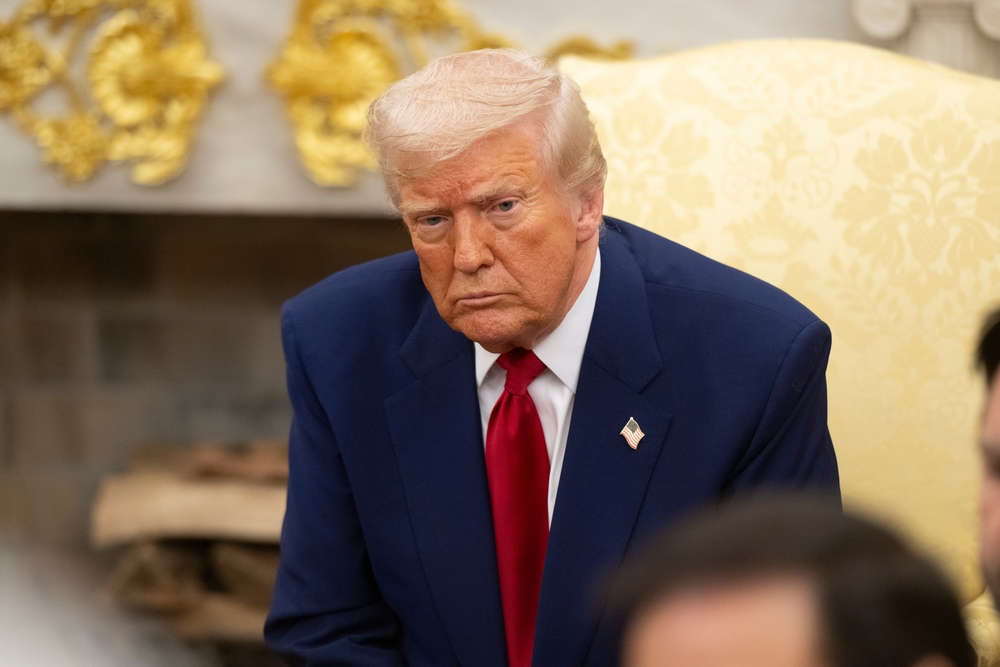
President Donald Trump said he plans to reduce U.S. tariffs on Indian goods to 18%, down from 25%, after Prime Minister Narendra Modi agreed to stop buying Russian oil. The move follows months of pressure from Washington, which has argued that India’s purchases of discounted Russian crude help bankroll Moscow’s war in Ukraine.
Trump also said India would begin lowering import taxes on U.S. products to zero and commit to buying $500 billion worth of American goods. Announcing the decision on Truth Social, Trump claimed the agreement would help bring an end to the war in Ukraine, which he said continues to claim thousands of lives each week.
Modi welcomed the tariff announcement, calling Trump’s leadership vital for global peace and prosperity. He described a recent phone call with Trump as “wonderful” and said he looked forward to deepening ties, though he did not directly mention ending Russian oil purchases.
India’s oil ties at the heart of tensions
India’s refusal to stop buying Russian oil has been a major sticking point in U.S.-India relations since the invasion of Ukraine in 2022. As Europe cut back sharply on Russian energy, India stepped in, attracted by lower prices. By 2024, Russia was supplying nearly 36% of India’s crude imports — about 1.8 million barrels a day.
Trump has repeatedly argued that choking off Russia’s oil revenues is the fastest way to force an end to the conflict. His latest comments come as U.S. officials prepare for another round of talks with Russian and Ukrainian representatives in Abu Dhabi later this week, as part of renewed diplomatic efforts to find a way out of the war.
Tariffs as leverage in trade and diplomacy
The tariff rollback marks a sharp shift after months of escalating trade pressure. In June, Trump announced a 25% tariff on Indian goods over concerns about trade imbalances and market access. Two months later, he added another 25% penalty tied directly to India’s Russian oil purchases, pushing the combined rate to 50%.
With the new commitment, U.S. officials say those additional penalties would be scrapped, bringing India’s tariff rate closer to levels applied to major partners like the EU and Japan. While India has traditionally relied on Russia more for defense equipment than energy, it used the war as an opportunity to secure cheaper oil supplies.
A changing global trade landscape
The announcement comes just days after India and the European Union finalized a long-awaited free trade agreement covering nearly all goods, from textiles to pharmaceuticals. That deal, affecting almost two billion people, reflects a broader push by India to diversify trade ties as U.S. tariff hikes disrupt global commerce.
In recent months, New Delhi has also moved quickly to seal other trade agreements, including deals with Oman and New Zealand. Together, these moves signal India’s effort to reduce risk, expand exports, and balance relations with major powers — even as Washington uses tariffs as a central tool of both economic and foreign policy.

