


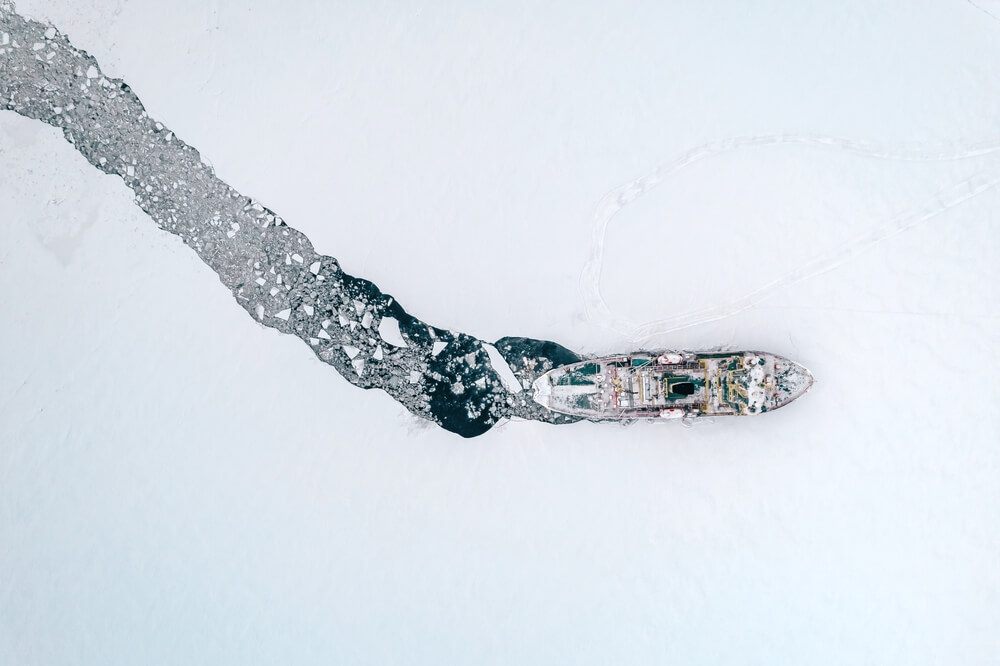
Melting Ice Opens New Shipping Lanes
As global temperatures rise, Arctic sea ice is disappearing faster than ever, creating navigable routes that were previously locked in ice. Cargo ships, fishing vessels, and even cruise liners are taking advantage of these new passages, especially north of the 60th parallel. But this surge in traffic comes with a hidden cost: black carbon, or soot, emitted from ship engines. When soot settles on ice and snow, it darkens the surface, causing it to absorb more heat and accelerate melting—a vicious cycle that makes the Arctic the fastest-warming region on Earth.
International Efforts to Cut Black Carbon
Countries including France, Germany, Denmark, and the Solomon Islands are urging the International Maritime Organization (IMO) to require ships in Arctic waters to switch to cleaner “polar fuels,” which produce less black carbon than traditional heavy marine fuels. The proposal would cover all vessels traveling north of the 60th parallel and set compliance guidelines. While a 2024 ban on heavy fuel oil has had limited effect due to loopholes, advocates argue that stricter fuel rules are the most realistic way to curb Arctic pollution.
Politics and Industry Slow Progress
Efforts to regulate Arctic shipping are complicated by geopolitics and economic interests. International disputes, like debates over Greenland’s sovereignty, have overshadowed environmental concerns. Even within Arctic nations, industries such as fishing resist stricter regulations due to higher costs and profit concerns. Meanwhile, Arctic shipping traffic continues to rise: between 2013 and 2023, the number of vessels north of the 60th parallel increased by 37%, with total distance traveled up 111%. Black carbon emissions climbed alongside this traffic, and environmentalists warn that without urgent action on fuel standards, the Arctic’s warming cycle will only intensify.

