


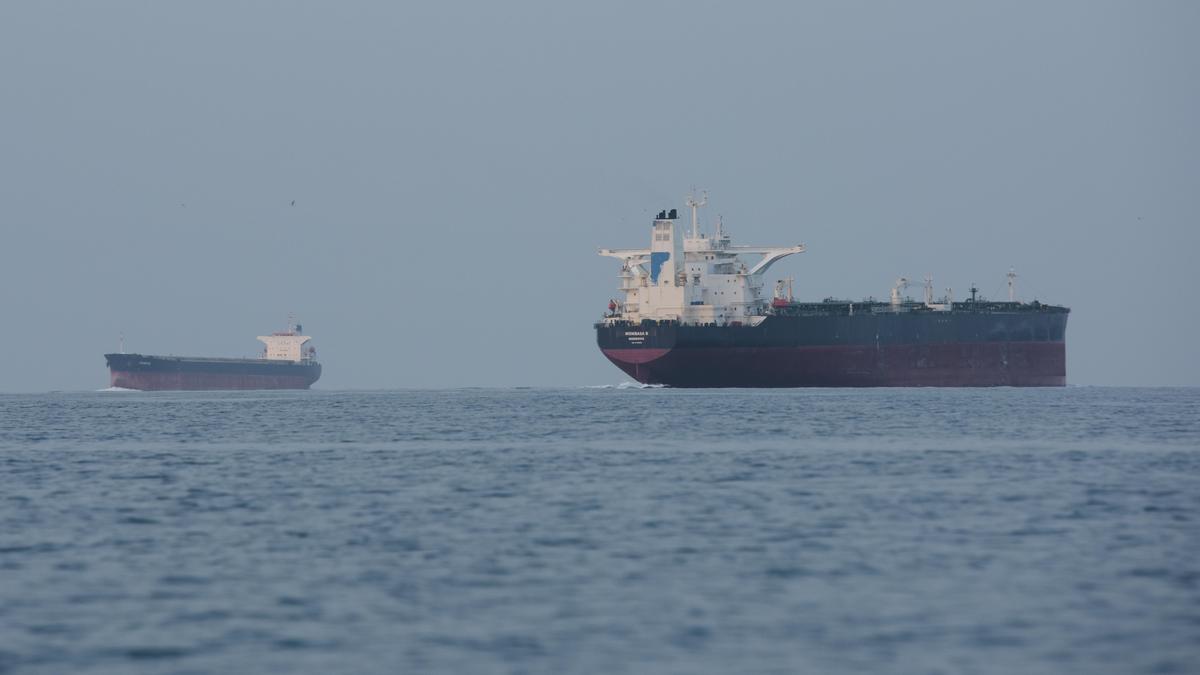
The strategic Strait of Hormuz has again been shuttered by Iran, intensifying the standoff with the United States. Iranian Parliament Speaker Mohammad Bagher Ghalibaf declared a final peace deal remains “far” off, despite acknowledging some “progress” in ongoing negotiations. Tehran’s move comes after mediation efforts in Pakistan failed to yield a breakthrough, with Iran asserting the crucial maritime chokepoint will not reopen until the US lifts its blockade on Iranian ports. This escalation signifies a hardening of Iran’s position, linking the vital trade route’s accessibility directly to the cessation of American sanctions. The initial high-level talks aimed at resolving the broader conflict launched by Israel and the United States against the Islamic republic have clearly stalled on this fundamental point.
US President Donald Trump, while stating “very good conversations” were underway, sternly warned Tehran against any attempts to “blackmail” Washington. The Strait had briefly reopened on Friday following a temporary ceasefire in the conflict involving Israel and Iran’s ally Hezbollah in Lebanon, sparking optimism in global markets and causing oil prices to plunge. However, Tehran swiftly reversed course after President Trump insisted the US blockade on Iranian ports would persist until a comprehensive deal was reached. Ghalibaf reiterated Iran’s stance, stating, “If America does not lift the blockade, traffic in the Strait of Hormuz will definitely be limited,” underscoring the impasse.
The situation quickly deteriorated into a series of dangerous maritime incidents. Iran’s Revolutionary Guards issued a stark warning, declaring any attempt to traverse the strait without permission would be deemed “cooperation with the enemy” and lead to the offending vessel being targeted. Tracking data revealed only a handful of oil and gas tankers managed to cross during the brief reopening before others retreated, leaving the waterway largely deserted. Reports from a UK maritime security agency detailed the Revolutionary Guards firing at one tanker and threatening to “destroy” an empty cruise ship. Another incident involved a vessel being struck by an “unknown projectile,” causing damage to shipping containers.
India’s foreign ministry has officially protested a “shooting incident” involving two Indian-flagged ships, summoning the Iranian ambassador to lodge its concerns, highlighting the international ramifications of the escalating tensions. The Strait of Hormuz, a critical conduit for a fifth of the world’s oil and liquefied natural gas, now faces profound uncertainty, with over 20 ships reportedly turning back to Iran since the US blockade began. The current two-week ceasefire is poised to expire on Wednesday, adding urgency to the stalled negotiations. The ongoing impasse reflects the significant sway of hardliners within Iran, who appear unwilling to yield on the blockade, pushing the region closer to a dangerous new phase of confrontation.

