


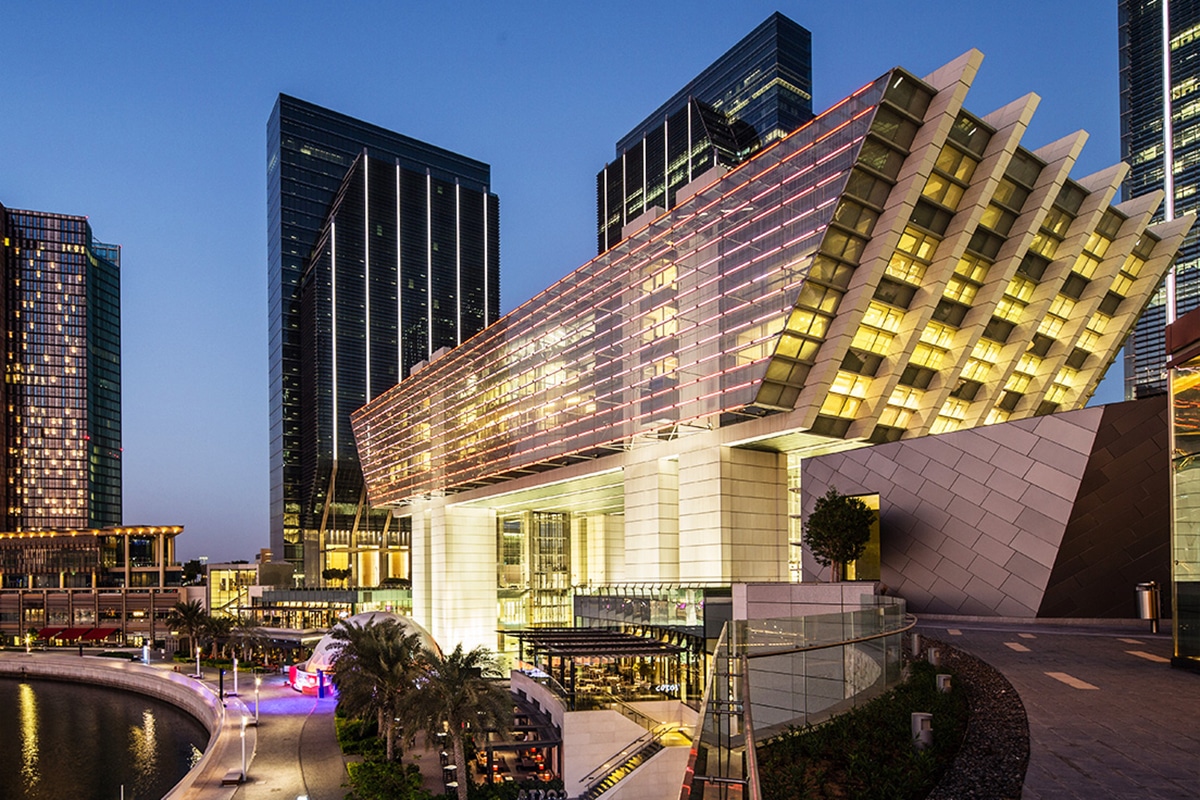
Abu Dhabi financial hub status is strengthening in early 2026 as more international investment firms expand their operations in the emirate. Global financial institutions are increasing their presence in the city. This reflects growing confidence in Abu Dhabi as a stable and attractive destination for business and investment. The trend shows continued progress in building a strong global financial center.
Foreign investment firms are opening new offices and expanding existing operations in Abu Dhabi. Many of these firms come from Europe, Asia, and North America. They are attracted by the emirate’s stable economy and clear regulatory system. Investors also point to strong infrastructure and business friendly policies. These factors are helping Abu Dhabi financial hub development gain momentum.
The financial sector in Abu Dhabi continues to grow steadily. Banks, asset managers, and investment companies are increasing their activity. This expansion is supported by strong government policies that focus on economic diversification. The goal is to reduce reliance on oil and build a more balanced economy. Financial services play a key role in this strategy.
Abu Dhabi financial hub growth is also supported by its strong regulatory environment. Financial authorities have introduced clear rules to attract global investors. These rules help ensure transparency and stability in the market. Investors say this reduces risk and increases trust. As a result, more international firms are choosing Abu Dhabi as a regional base.
The emirate has also invested heavily in infrastructure to support financial services. Modern business districts and advanced communication systems make it easier for global firms to operate. Financial centers in Abu Dhabi offer high quality office spaces and digital infrastructure. These facilities help attract large investment companies and banks.
Experts say Abu Dhabi financial hub development is part of a long term economic strategy. The emirate aims to position itself as a leading global financial center. This includes competing with other major financial cities around the world. Strong international partnerships are also helping achieve this goal.
Stock markets in Abu Dhabi continue to show stable performance. The financial sector plays a major role in supporting market activity. Increased foreign participation has improved liquidity and trading volumes. Investors view the market as stable and well regulated. This supports further growth in the financial ecosystem.
Global firms expanding in Abu Dhabi also bring new jobs and expertise. This helps develop local talent and strengthen the financial workforce. Training programs and partnerships with international institutions are increasing. These efforts aim to build a skilled workforce for the future.
Abu Dhabi financial hub status is also supported by its political stability. Investors prefer regions with low risk and predictable policies. The emirate’s stable governance structure adds to its appeal. This stability is seen as a key advantage in attracting long term investment.
Energy sector companies are also contributing to financial growth. Many global firms in energy, finance, and technology are working together in Abu Dhabi. This creates a diverse and dynamic business environment. The combination of sectors supports economic resilience.
Analysts say the expansion of international firms shows strong global trust in Abu Dhabi. It reflects confidence in both economic policy and long term planning. The emirate continues to attract attention from major financial players. This trend is expected to continue in the coming years.
Abu Dhabi financial hub development is expected to grow further as more reforms are introduced. The government is focusing on innovation, digital finance, and global connectivity. These areas are seen as key drivers of future growth.
Overall, Abu Dhabi is strengthening its position as a major global financial center. The increasing presence of international firms highlights rising confidence in its economy. Stable policies, strong infrastructure, and global integration continue to support this growth.

