


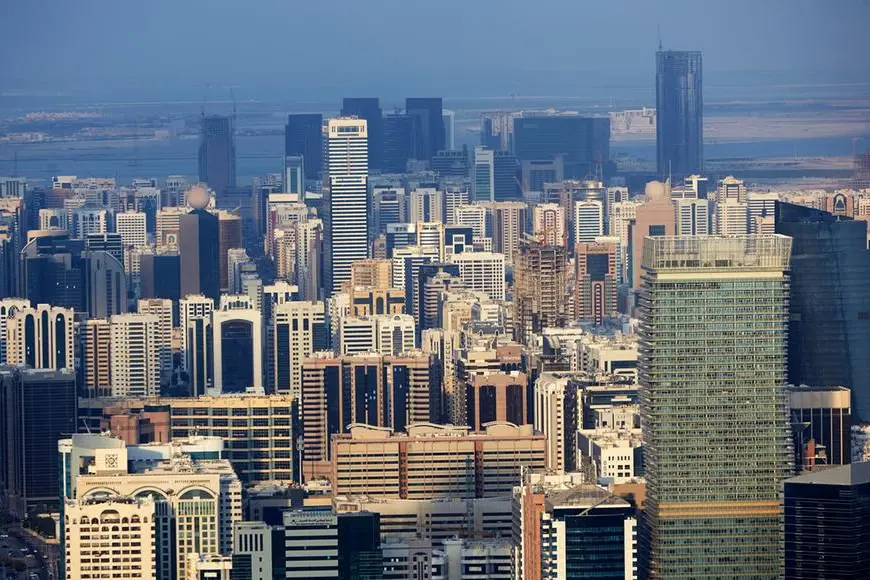
Abu Dhabi property market delivered a record performance in the first quarter of 2026 as strong demand pushed both sales and prices to new highs. The residential sector recorded AED38.1 billion, about $10.4 billion, in total sales between January and March, marking the strongest first quarter on record.
According to property consultancy Cavendish Maxwell, the market saw around 8,100 transactions during the period. This represents a sharp rise of more than 211 percent in total value compared to the same quarter last year. The number of deals also climbed by nearly 124 percent, showing strong momentum in the sector.
The data shows that March 2026 alone recorded about 2,500 property sales, an increase of 127 percent year on year. Analysts noted that these figures reflect buying activity that took place before and during recent geopolitical tensions, while more complete data in the coming months will give a clearer picture of demand trends.
A major driver of growth was the off-plan segment, which continues to dominate the Abu Dhabi property market. Off-plan sales grew by 184 percent year on year and accounted for around 90 percent of total sales value. More than 80 percent of homes purchased in the quarter were off-plan units, showing strong investor confidence in new developments.
Ready properties also saw growth, although at a slower pace. Transactions in the ready segment increased by nearly 15 percent, reaching about 1,500 sales during the quarter. This shows that demand is rising across both new projects and completed homes.
Industry experts say the strong performance reflects continued investor interest in Abu Dhabi’s real estate sector. New project launches, attractive payment plans, and long-term growth expectations have supported demand from both local and international buyers.
In terms of supply, about 2,400 new residential units were delivered during the first three months of the year. This brought the total housing stock in Abu Dhabi to around 320,300 units. Developers are expected to add another 13,500 units later in 2026, followed by 16,700 units in 2027 and 25,000 units in 2028. By then, total inventory is expected to reach about 373,100 homes.
Prices continued to rise across the market. Apartment values increased by more than 17 percent on average, with Yas Island recording close to 20 percent growth. Al Reem Island also saw strong gains of about 19 percent. Other areas such as Al Raha Beach and Al Reef posted increases between 15 and 18 percent.
Villa prices also moved higher, rising by around 11 percent on average. Yas Island once again led growth with more than 15 percent increase, while Saadiyat Island recorded a gain of about 12 percent. This reflects growing demand for high-end residential communities.
Rental prices followed a similar trend, increasing by an average of 10.5 percent year on year. Yas Island saw the strongest rental growth for apartments at nearly 20 percent, while Al Reem Island and Al Reef also posted solid increases. Villa rents rose by about 4.5 percent overall, with Al Reef leading in rental growth.
Apartments remained the dominant segment in the Abu Dhabi property market, accounting for about 70 percent of all transactions. Around 5,700 apartment deals were completed in the quarter, marking a 130 percent increase compared to the same period last year. Villas and townhouses also saw strong activity, with about 2,400 sales, more than double last year’s figure.
Location trends showed clear demand hotspots. Al Reem Island led apartment sales with nearly 2,000 transactions, followed by Yas Island, Al Saadiyat Island, Khalifa City, and Fahid Island. For villas and townhouses, Al Hudayriyat Island dominated with more than 1,000 sales, far ahead of other areas such as Ramhan Island, Ghantout, Al Shamkhah, and Zayed City.
Market analysts say the strong Q1 performance highlights solid fundamentals in Abu Dhabi’s real estate sector. However, they also caution that future quarters will be important to understand how external geopolitical factors may influence buyer sentiment.
Overall, the Abu Dhabi property market continues to show strong growth across sales, prices, and rental values, driven by investor confidence and ongoing development activity across key residential hubs.

