


The United Arab Emirates has announced a series of new international partnerships aimed at strengthening its position in advanced technology, artificial intelligence, and biotechnology. Dubai has expanded cooperation with Chinese technology companies to improve public transport systems, while Abu Dhabi has signed agreements with leading U.S. biotechnology organizations to accelerate gene-editing research and precision medicine.
The new initiatives reflect the UAE’s long-term strategy to become a global center for innovation by attracting international expertise, investing in research, and building advanced technology industries.
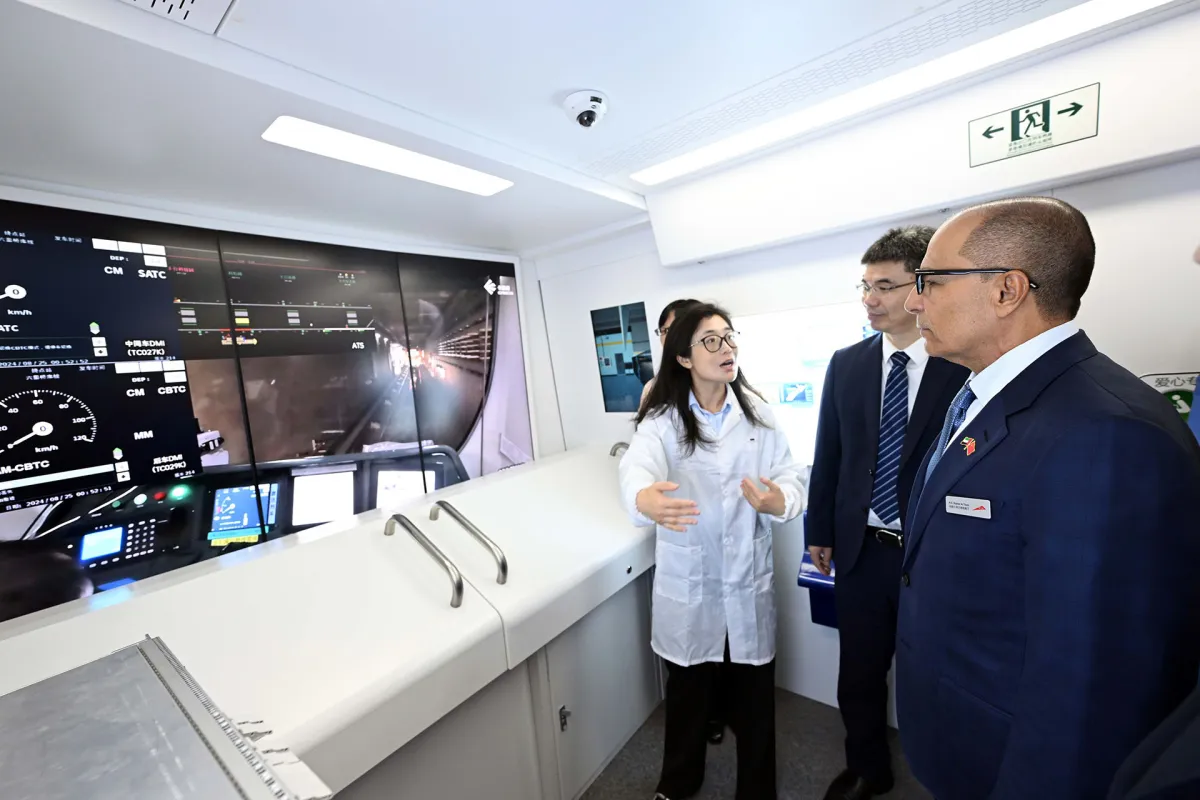
Dubai’s Roads and Transport Authority (RTA) signed agreements with Chinese partners to support the development of smart transportation systems. One of the key partnerships involves Casco, which plans to establish a research and development center along with testing laboratories in Dubai.
The new facility will focus on signaling and communication technologies for the Dubai Metro Blue Line. It will also support future railway and transport projects as the city’s public transportation network continues to expand.
The RTA also strengthened its partnership with Huawei to promote innovation in transport technology. Under the agreement, both sides will organize joint workshops, pilot projects, and proof-of-concept trials using artificial intelligence and other emerging technologies.
The cooperation will explore AI applications that improve traffic management, metro operations, transport efficiency, and smart mobility solutions. Officials believe these technologies can enhance passenger services while improving safety and reducing congestion across Dubai’s growing transport network.
At the same time, Abu Dhabi has taken another major step toward becoming a global leader in genomic medicine and biotechnology.
The Department of Health signed three strategic agreements designed to expand research into gene-editing therapies for rare and inherited diseases. The partnerships cover treatment development, clinical research, specialist healthcare services, and future manufacturing capabilities.
The initiative builds on the Emirati Genome Program, which has helped create one of the world’s largest national genomic databases. Officials believe this extensive collection of genetic information will support the development of personalized treatments and advanced healthcare solutions.
As part of the agreements, Abu Dhabi health technology company M42 will collaborate with U.S.-based Mammoth Biosciences. The partnership will focus on developing next-generation gene-editing therapies, expanding clinical research, and exploring advanced manufacturing for future medical treatments.
Another agreement brings the Children’s Hospital of Philadelphia into the project. The hospital will work with local healthcare providers to strengthen expertise in diagnosing and treating rare genetic conditions, including metabolic disorders, blood clotting diseases, urea cycle disorders, and central nervous system conditions.
In addition, U.S. biotechnology company Arbor Biotechnologies will cooperate with Abu Dhabi on research, clinical development, and future biomanufacturing related to gene-editing technologies.
Health officials say these collaborations aim to speed up the development of innovative treatments while building local scientific knowledge and advanced healthcare infrastructure within the UAE.
The combined agreements also support the country’s broader economic diversification strategy by expanding knowledge-based industries beyond traditional sectors. Investments in artificial intelligence, biotechnology, healthcare research, and advanced manufacturing are expected to strengthen the UAE’s global competitiveness over the coming years.
Technology experts say the partnerships demonstrate how the UAE continues to attract leading international companies through investment, research opportunities, and supportive government policies.
As Dubai advances smart transportation systems and Abu Dhabi strengthens genomic medicine, the UAE is positioning itself as a regional hub for innovation across multiple high-growth industries. The latest agreements are expected to accelerate scientific research, improve public services, encourage technology transfer, and create new opportunities for future economic development.

