


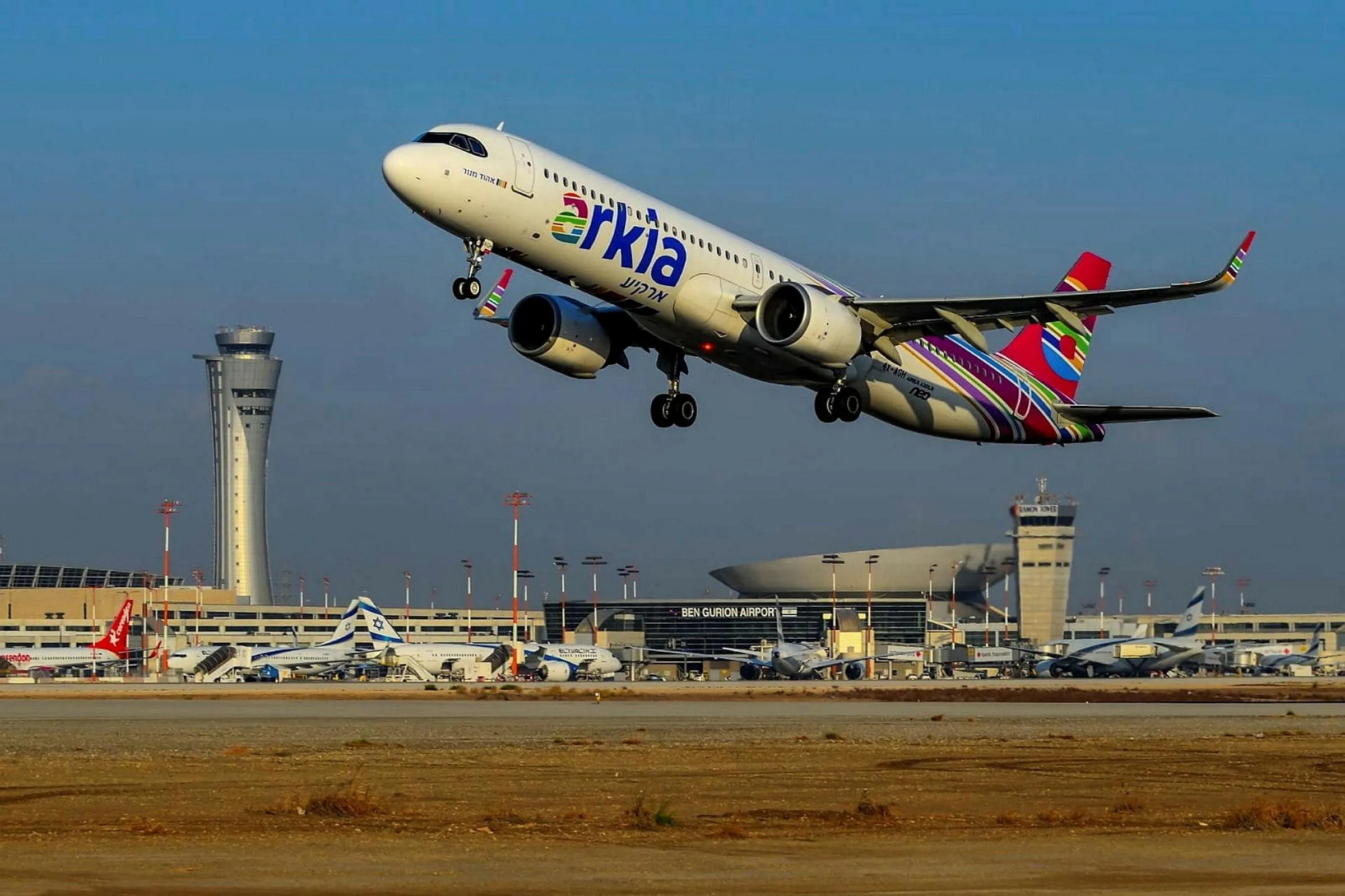
Repatriation flights intended to return Israeli citizens from the United Arab Emirates have been disrupted after authorities canceled flight permissions for Israeli carriers following a security incident involving a Flydubai aircraft.
The development emerged on Tuesday when Israeli airlines scheduled to operate return flights were informed that their approved takeoff and landing slots for the following day had been withdrawn.
The cancellations came despite earlier statements indicating that repatriation operations between the two countries would continue through Thursday.
The affected flights were part of efforts to bring home Israeli travelers who remained in the UAE after travel plans were disrupted. Airlines had prepared schedules to transport passengers back to Israel, but those arrangements were suddenly placed on hold after the latest decision.
Officials have not provided detailed public explanations regarding the cancellation of the flight slots. However, the move follows reports of an attempted hijacking involving a Flydubai aircraft, an incident that has increased security concerns and drawn attention from aviation authorities.
The situation has created uncertainty for travelers who were expecting to return home through the planned repatriation services.
Passengers affected by the cancellations are now waiting for updates from airlines and government officials regarding alternative travel arrangements. Some travelers may face delays while authorities assess security conditions and determine the next steps.
The issue also highlights the sensitivity of aviation operations during periods of heightened security concerns.
In recent years, air travel between the United Arab Emirates and Israel expanded significantly following the establishment of diplomatic ties. Commercial routes connected major cities and created new opportunities for tourism, business travel and regional cooperation.
As a result, any disruption to flight operations between the two countries attracts significant attention from travelers and the aviation industry.
The latest decision affects airlines that had already received approval to conduct repatriation flights. Industry observers note that flight permissions and airport slots are critical components of international aviation operations. Without those approvals, airlines cannot legally operate scheduled services.
The withdrawal of landing and departure rights effectively halted the planned flights.
Transportation officials had previously indicated that repatriation services would continue for several more days. The sudden change therefore surprised both travelers and airline operators.
Authorities have not announced how long the restrictions may remain in place. It is also unclear whether additional flights scheduled later in the week could be affected.
The attempted hijacking incident involving the Flydubai aircraft remains a key focus of attention. Security investigations often require coordination between aviation authorities, law enforcement agencies and government officials.
Such reviews can lead to temporary operational changes while risks are assessed and protective measures are strengthened.
Aviation experts note that security incidents frequently result in enhanced monitoring and revised procedures. Decisions regarding flight permissions are often made as a precaution while investigations continue.
For stranded travelers, the immediate concern is securing a safe route home.
Airlines are expected to remain in contact with affected passengers and provide updates as more information becomes available. Government agencies may also coordinate with carriers to identify alternative travel options if the restrictions continue.
The UAE Israel Repatriation Flights disruption comes at a time when regional aviation networks are closely monitoring security developments. Travelers, airlines and officials are now awaiting clarification on when normal operations can resume.
Until then, uncertainty remains over the status of future repatriation flights and the timeline for restoring the suspended travel arrangements. The outcome of ongoing security assessments is likely to play a major role in determining when flight services between the two countries can proceed as planned.

