


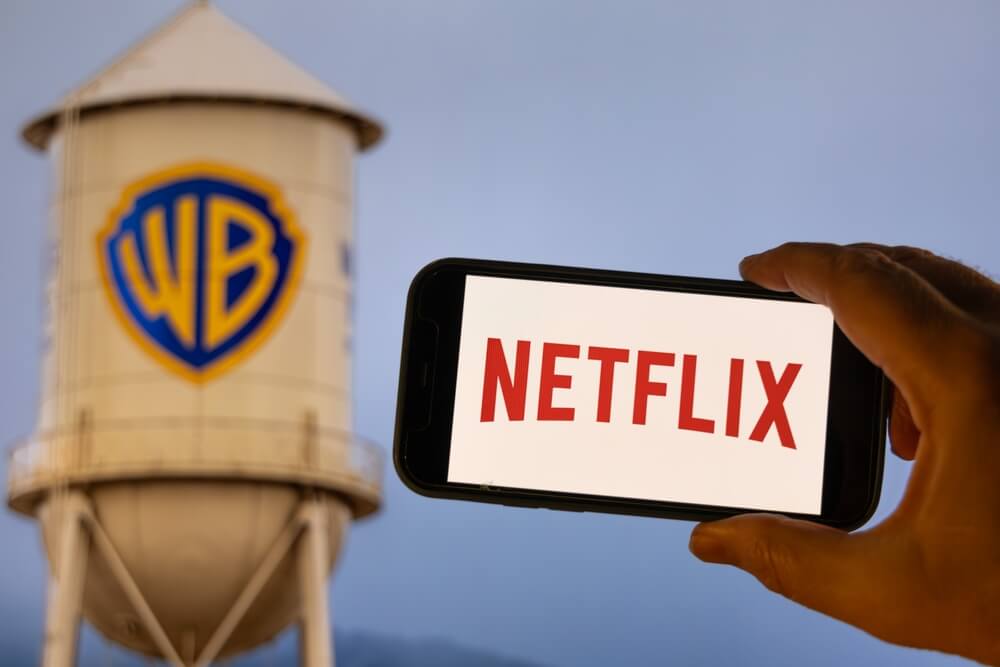
Netflix struggled to convince senators that its $82bn takeover of Warner Bros Discovery would benefit consumers, workers, and the entertainment industry. On Tuesday, the Senate antitrust subcommittee, including Democrats and Republicans, raised concerns about competition, rising prices, and the future of cinemas.
The Department of Justice now reviews the deal, which would give Netflix control of Warner Bros’ studios and the HBO Max streaming service. Rival bidder Paramount Skydance continues to push its competing offer. Senators’ questions showed bipartisan unease, while the DoJ decides whether to approve or block the merger.
Senators question theatre releases and job impact
Lawmakers pressed Netflix co‑CEO Ted Sarandos on theatres, subscription costs, and entertainment industry jobs. Sarandos promised Warner Bros films would keep a 45‑day theatrical release and said the studio would operate largely unchanged. He argued the merger would provide consumers more content for less money, noting that most HBO Max subscribers already pay for Netflix.
Sarandos said the deal would also generate more American jobs. Republican Senator Mike Lee warned that merging two major employers could weaken labor competition. Some Republicans focused on broader culture issues. Senator Eric Schmitt called Netflix’s programming “overwhelmingly woke.”
Paramount absent amid bidding war
Paramount CEO David Ellison did not attend the hearing, even though his company continues to bid for Warner Bros. Paramount claims its $108bn offer beats Netflix’s. Critics say either deal would give one company too much power. Senator Cory Booker called Paramount’s absence “frustrating” and said Ellison declined to testify. He warned that either merger would increase corporate control over media content.
Netflix recently updated its offer to an all‑cash deal to counter Paramount. Senators also debated whether YouTube competes with Netflix. Sarandos said Netflix competes for content, viewers, and ad dollars, insisting “YouTube is not just cat videos anymore. YouTube is TV.”
Some lawmakers, including Lee, disagreed and said YouTube should not count as a competitor. Paramount also rejected Netflix’s argument about market competition.

