


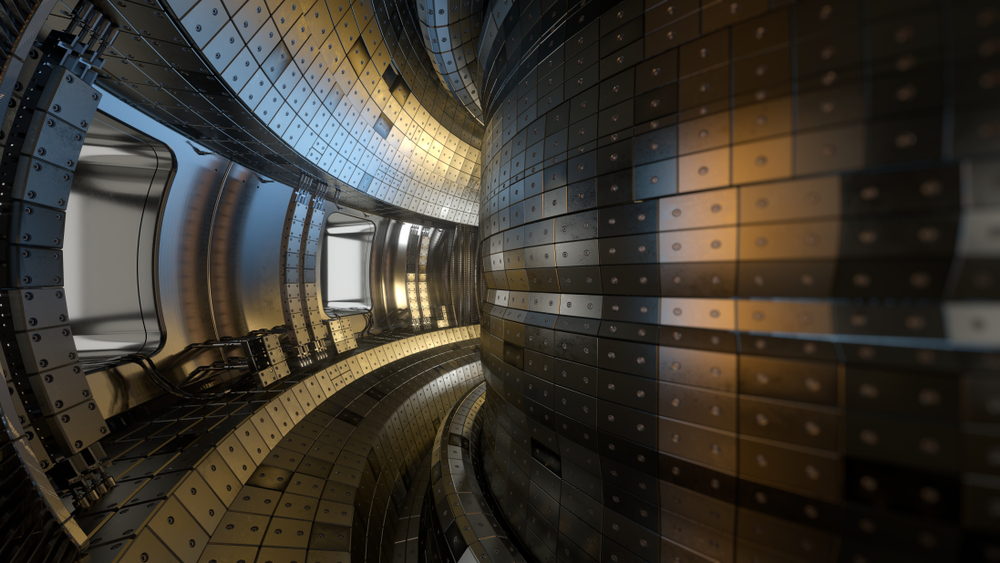
Lawmakers Push Fusion From Theory to Reality
European lawmakers are calling on the EU to take nuclear fusion seriously as a future energy source, arguing that the technology has reached a point where political backing and clear rules are urgently needed. Members of the European People’s Party (EPP) say fusion is no longer just a scientific experiment and are urging the European Commission to set out a predictable regulatory framework to attract investors willing to fund the hugely expensive technology.
A declaration signed by several EPP lawmakers describes fusion as being at a “turning point,” with European industry and private capital increasingly aligned. What’s missing, they argue, is firm political support and clear regulations that would give investors confidence. The appeal comes as the European Commission prepares to unveil its own fusion strategy in the near future.
Why Fusion Matters for Europe
Supporters believe fusion could give Europe a major competitive edge in clean energy. Unlike traditional nuclear power, fusion does not involve splitting atoms and does not generate long-lived radioactive waste. Instead, it produces energy by fusing small atoms, such as hydrogen, in the same process that powers the sun.
MEPs say fusion represents a chance for Europe to turn its scientific leadership into industrial strength. They argue it could deliver a clean, safe, and reliable power supply while reducing dependence on fossil fuels and foreign energy sources. Lawmakers want fusion treated separately from nuclear fission in EU rules, with tailored guidance on safety, licensing, waste management, and liability.
Progress, Challenges, and Germany’s Lead
Although fusion is still not used to generate electricity, recent breakthroughs have raised optimism. In 2022, US scientists achieved a milestone by producing more energy from a fusion reaction than was used to trigger it. In Europe, Germany is currently leading the way, securing a €7 billion deal with energy giant RWE to build a pilot fusion plant by 2035.
German Chancellor Friedrich Merz has pledged to create a supportive regulatory environment for fusion at both national and European levels, arguing that past decisions to abandon nuclear power weakened Europe’s energy position. For supporters in the European Parliament, fusion is no longer a distant dream but a strategic opportunity—if Europe moves quickly enough to turn promise into power.

