


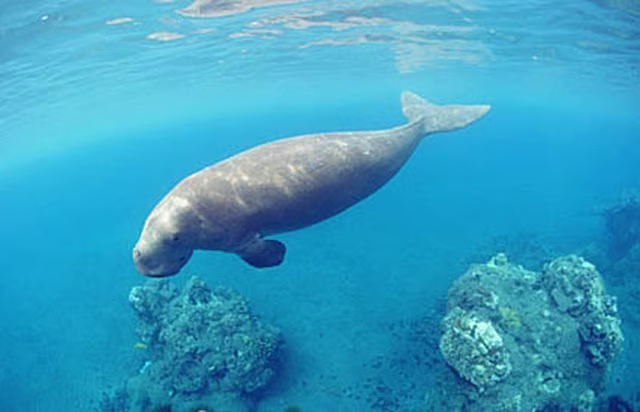
A major dugong conservation initiative in the UAE has been launched to protect these vulnerable marine mammals and their seagrass habitats. The program, spearheaded by the Mohamed bin Zayed Species Conservation Fund and Mubadala, aims to strengthen marine biodiversity conservation across the UAE and neighboring Gulf countries.
The initiative focuses on safeguarding dugongs, which are threatened by habitat loss, pollution, and human activity. Seagrass ecosystems, critical for dugong survival, are also being preserved through monitoring, restoration, and community engagement programs.
Officials explained that protecting dugongs contributes to the overall health of coastal marine environments. Seagrass meadows not only provide food and shelter for dugongs but also support fisheries, prevent coastal erosion, and store carbon, playing a vital role in climate mitigation.
The program involves partnerships between government agencies, environmental organizations, and local communities. It will implement scientific research, habitat restoration, and public awareness campaigns to ensure dugong populations remain stable and thriving.
Experts emphasized the significance of this dugong conservation initiative UAE, noting that it aligns with broader regional and global biodiversity goals. Protecting dugongs and seagrass habitats can serve as a model for integrated marine conservation in the Gulf region.
Monitoring efforts will include tracking dugong populations, assessing seagrass health, and mapping critical marine habitats. These data-driven measures are expected to inform future conservation strategies and improve the effectiveness of protective actions.
Community participation is a key part of the initiative. Citizens, fishermen, and coastal businesses are encouraged to adopt practices that reduce human impact on marine ecosystems. Educational campaigns aim to raise awareness about the importance of dugongs and seagrass for both biodiversity and coastal livelihoods.
The initiative is also expected to strengthen international collaboration. Gulf countries are working together to share knowledge, research findings, and best practices to protect dugongs across national boundaries. This regional approach enhances conservation impact and ensures a coordinated response to environmental threats.
Officials highlighted that the program represents a long-term commitment to preserving marine biodiversity. By protecting dugongs and their habitats, the initiative contributes to resilient coastal ecosystems and supports the UAE’s environmental sustainability goals.
Overall, the launch of the dugong conservation initiative UAE marks a significant step toward safeguarding marine life in the Gulf. Through habitat protection, scientific research, and community engagement, the program aims to secure the future of dugongs while promoting healthy, thriving coastal ecosystems.

