


Governments around the world are facing growing pressure to take bold action against extreme carbon inequality. Campaigners are calling for bans on high-polluting luxury goods and new taxes on fossil fuel profits as essential steps to meeting global climate targets.
At the heart of the debate is a stark reality: the wealthiest people on Earth are responsible for a wildly disproportionate share of emissions. Oxfam describes their behaviour as “gross carbon recklessness,” warning that without urgent intervention, climate goals will slip further out of reach.
New research from the organisation shows that the richest one per cent had already used up their entire annual carbon allowance just ten days into 2026. This threshold marks the point where emissions exceed levels compatible with keeping global warming below 1.5°C — a moment campaigners have dubbed “Pollutocrat Day.”
Even more striking, the richest 0.01 per cent burned through their yearly carbon budget within the first 72 hours of the year. Oxfam warns that this ultra-elite group would need to cut their emissions by 97 per cent by 2030 to align with the legally binding Paris Agreement.
Luxury Lifestyles and Corporate Power Drive Emissions
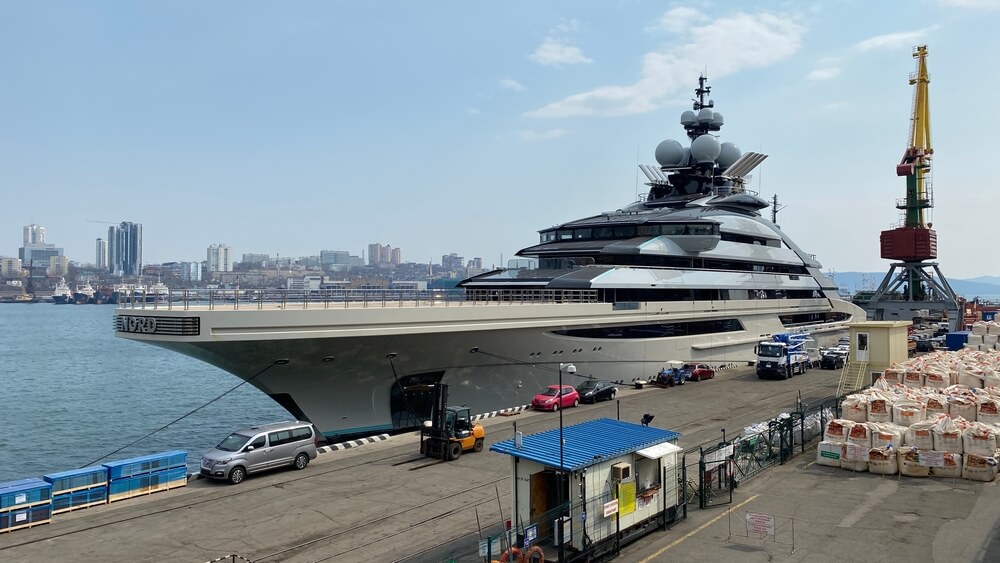
Private jets, super-yachts and extravagant travel habits have long symbolised the climate impact of the super-rich. But Oxfam’s analysis shows the issue goes far beyond personal lifestyle choices.
Wealthy individuals and large corporations hold enormous financial and political influence, often investing heavily in fossil fuel industries and shaping climate policy behind the scenes. At last year’s COP30 climate summit in Brazil, lobbyists linked to fossil fuel companies formed one of the largest delegations — over 1,600 attendees — surpassed only by the host nation.
Oxfam’s climate policy lead, Nafkote Dabi, says this concentration of wealth and power allows elites to weaken climate negotiations and delay meaningful action.
The report estimates that each billionaire’s investment portfolio is tied to companies producing an average of 1.9 million tonnes of CO₂ every year — emissions that risk locking the world into long-term climate breakdown.
The consequences are severe. Oxfam projects that emissions from the richest one per cent in a single year could lead to 1.3 million heat-related deaths by the end of the century and cause vast economic losses in low- and middle-income countries. Damages could reach up to $44 trillion by 2050.
Taxing Rich Polluters and Reining in Carbon Luxury
In response, Oxfam is urging governments to make wealthy polluters pay their fair share. The organisation is calling for higher taxes on income and wealth, alongside targeted climate levies on major fossil fuel corporations.
One proposal — a “Rich Polluter Profits Tax” on hundreds of oil, gas and coal companies — could raise up to $400 billion in its first year. Oxfam says this amount roughly matches the estimated cost of climate damage borne by countries in the Global South, which are least responsible for emissions yet suffer the greatest impacts.
The group is also pushing for bans or punitive taxes on carbon-intensive luxury items like private jets and super-yachts. In fact, a super-rich European can generate as much carbon in a single week of luxury travel as someone in the poorest one per cent produces over an entire lifetime.
“Again and again, evidence shows there is a clear path to cutting emissions and reducing inequality — targeting the richest polluters,” says Dabi.
By confronting the excesses of the ultra-wealthy, campaigners argue, governments have a rare chance to bring climate targets back within reach while delivering fairer outcomes for people and planet alike.

