


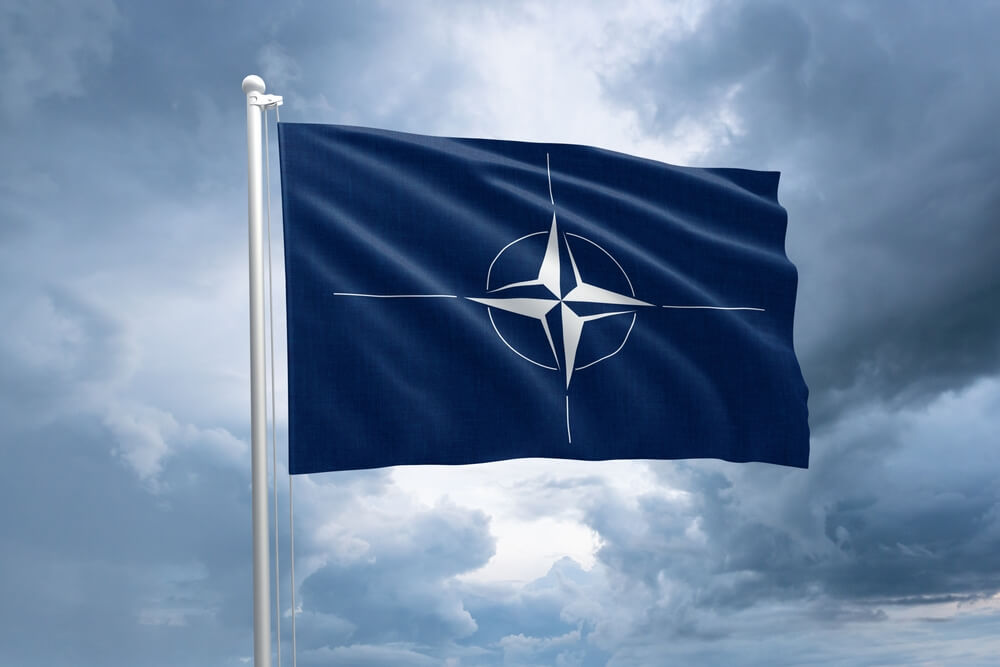
NATO may be entering a new phase, one where Europe takes on more responsibility for its own defence while the United States turns more of its attention elsewhere. That was the clear tone emerging from a meeting of defence ministers in Brussels, where both sides of the Atlantic appeared to agree that the alliance must evolve — even if their motivations differ.
For Washington, the shift is about freeing up resources to focus on other global priorities. For European leaders, it is about strengthening their own security in the face of uncertainty surrounding the current US administration.
Washington Pushes for a “NATO 3.0”
US Under Secretary of War Eldridge Colby, attending in place of Defence Secretary Pete Hegseth, called for what he described as “NATO 3.0.” His message was direct: European allies must assume primary responsibility for conventional defence on the continent.
Colby argued that Europe should provide the majority of forces needed to deter — and if necessary defeat — aggression in Europe. The United States, he signalled, cannot continue carrying the bulk of that burden.
This is not a new demand. For years, Washington has pressed European partners to increase defence spending, especially as the US looks toward the Indo-Pacific and other strategic theatres. What felt different this time was the response. European ministers did not push back. Instead, many emphasized that they are already moving in that direction.
NATO Secretary General Mark Rutte described the meeting as pivotal, pointing to what he called a genuine shift in mindset and a stronger European role within the alliance. Several countries, including Denmark, Estonia, Latvia, Lithuania and Poland, have already surpassed the newly agreed target of spending 3.5% of GDP on defence — well ahead of schedule.
That target followed months of pointed remarks from President Donald Trump, who has questioned America’s commitment to NATO’s collective defence clause if allies fail to meet spending goals.
Europe Steps Forward — Carefully
Recent tensions have added urgency to Europe’s efforts. Just weeks ago, President Trump threatened military action against Denmark over Greenland, another NATO member. In response, the alliance launched enhanced vigilance measures in the Arctic while diplomatic talks between Denmark, Greenland and the US continue.
German Defence Minister Boris Pistorius acknowledged that the US has long carried the lion’s share of Europe’s conventional defence. Now, he said, it is natural for Europeans to take on more, step by step.
France’s defence minister echoed that sentiment, saying Europe has already begun strengthening its role within NATO. Romania’s defence chief stressed that Europe must expand its defence production capacity, ideally in coordination with NATO and the US, but with a clear goal: Europe should be capable of defending itself.
Dutch Defence Minister Ruben Brekelmans emphasized transparency, calling for a “no-surprise policy” so any American reduction in presence is matched by a European increase.
Some of that rebalancing is already underway. The US recently announced it will not replace an infantry brigade in Romania once its rotation ends — an early signal of a gradual drawdown.
A Delicate Division of Labour
Changes are also unfolding within NATO’s command structure. European allies have taken on greater leadership roles, though the US continues to lead key commands, including Allied Land and Allied Air Command. The US also recently assumed control of Allied Maritime Command.
Rutte underscored the importance of maintaining an American as Supreme Allied Commander Europe — the officer responsible for drawing up NATO’s military plans. Keeping that role in US hands, he argued, guarantees a strong American presence and reflects the economic weight the US still carries within the alliance.
The emerging picture is not one of American withdrawal, but of recalibration. The US remains committed, yet expects Europe to shoulder more of the conventional defence load. Whether this evolving balance strengthens NATO or introduces new strains will depend largely on how closely aligned both sides remain in the years ahead.

