


Budapest Links Sanctions to Energy Security
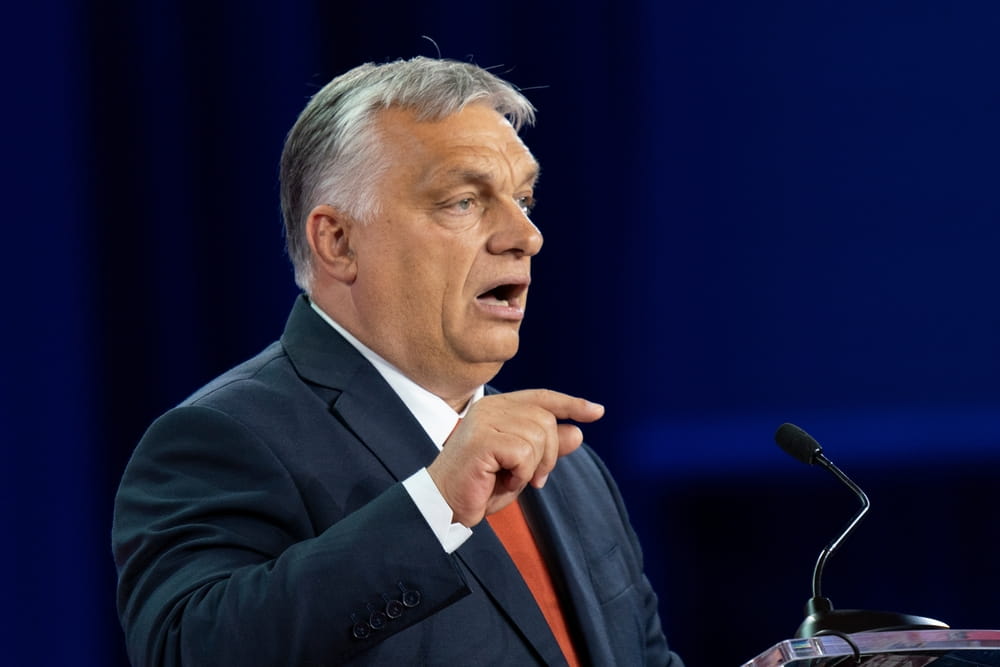
Hungary has made it clear it will not back the European Union’s 20th sanctions package against Russia unless oil deliveries through the Druzhba pipeline are restored. After a meeting of the Energy Security Council, Prime Minister Viktor Orbán said no further financial assistance — including the EU’s planned €90 billion war loan to Ukraine — should move forward while Hungary’s oil supply remains cut off.
Foreign Minister Péter Szijjártó confirmed that Budapest will block the new sanctions package, expected to be discussed by EU foreign ministers. He said Hungary’s position will not change until Ukraine repairs the Druzhba pipeline, which Kyiv says was damaged in a Russian drone strike, and oil shipments resume.
Orbán also stated that a suspended diesel delivery service would not restart under current conditions.
Electricity Supplies Add to Tensions
The dispute extends beyond oil. Nearly half of Ukraine’s electricity imports come from Hungary, a point Szijjártó said requires “extreme caution.” He warned that any decision to halt supplies could also affect Hungarian citizens and ethnic Hungarians living in Ukraine’s Transcarpathia region.
Slovakia has taken a similar stance. Prime Minister Robert Fico said that if oil flows to Slovakia are not restored, he would ask the national grid operator to stop emergency electricity exports to Ukraine. Oil deliveries to both Hungary and Slovakia reportedly ceased at the end of January.
Kyiv Accuses Budapest of Undermining Unity
Ukraine has strongly rejected what it described as “ultimatums and blackmail” from Hungary and Slovakia. In a statement, Kyiv’s foreign ministry said the two governments were effectively helping Moscow at a time when Russian missile and drone attacks have repeatedly targeted Ukraine’s energy grid, leaving millions without reliable heating and power during one of the harshest winters in recent years.
Since Russia launched its full-scale invasion in February 2022, most European countries have dramatically reduced or eliminated imports of Russian energy. Hungary and Slovakia, however, secured temporary exemptions from the EU’s ban on Russian oil and have continued relying on those supplies.
Orbán, often viewed as the EU leader closest to the Kremlin, has long argued that Russian fossil fuels are essential to Hungary’s economy and that switching suppliers too quickly would cause severe economic disruption — a claim disputed by some analysts. He has repeatedly threatened to veto EU sanctions targeting Russia’s energy revenues and has previously blocked efforts to provide military and financial aid to Ukraine.

