


White House Moves Swiftly After Supreme Court Blow
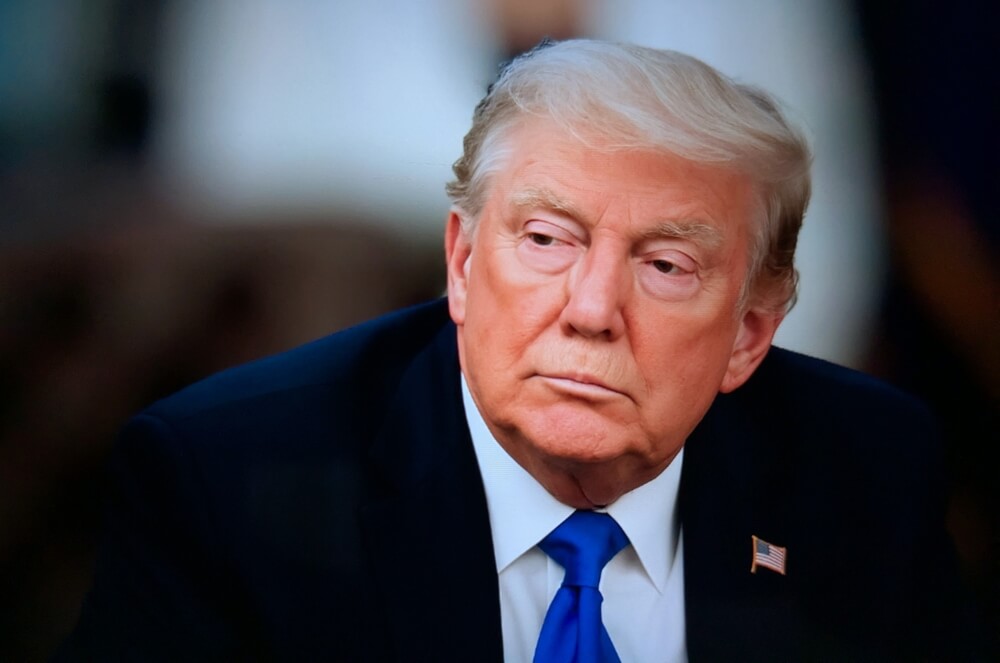
Just a day after the US Supreme Court ruled that his sweeping tariff plan overstepped executive authority, President Donald Trump announced he would raise the baseline global tariff rate from 10% to 15%, effective immediately.
In a social media post, Trump said the move followed what he described as a “ridiculous” and “anti-American” decision by the court. The 6–3 ruling struck down tariffs he had imposed under the International Emergency Economic Powers Act (IEEPA), a 1977 law traditionally used for sanctions rather than broad import taxes.
The court’s majority made clear that the Constitution assigns the power to levy taxes — including tariffs — to Congress, not the president. Chief Justice John Roberts wrote that the framers did not grant taxing authority to the executive branch.
Trump, however, downplayed the setback, arguing that the decision addressed only one specific use of IEEPA and insisting he still has other legal tools at his disposal to pursue his trade agenda.
What Legal Options Remain?
Although the emergency-powers route has been blocked, the administration can still turn to other sections of trade law — though they come with tighter limits.
Section 301 of the Trade Act of 1974 allows the US Trade Representative to investigate and respond to unfair trade practices. If a foreign government is found to be violating trade agreements or discriminating against American commerce, retaliatory tariffs can be imposed. However, investigations typically take up to a year, meaning tariffs cannot be introduced overnight.
Section 122 of the same law offers a faster path, allowing the president to impose temporary import surcharges of up to 15% for 150 days in cases involving serious balance-of-payments problems. But these measures automatically expire unless Congress votes to extend them.
Even Treasury Secretary Scott Bessent has acknowledged in the past that these alternatives are less powerful and less efficient than the emergency authority Trump originally invoked.
Political Stakes and Legal Battles Ahead
The tariff fight has drawn lawsuits from Democratic-leaning states as well as businesses ranging from small importers to major retailers. Many argue that the emergency law never authorized tariffs in the first place and that the administration failed established legal standards.
Vice President JD Vance criticized the court’s decision, saying Congress had intended to give the president authority to regulate imports. Trump himself framed the ruling as a major challenge to his economic agenda, even as polling shows tariffs remain unpopular with voters concerned about rising costs.
Despite the legal obstacles, Trump signaled he has no intention of backing down. Some tariffs, he said, will remain in place. Others may be replaced under different statutes. “Many of them stand,” he wrote. “Some of them won’t — and they’ll be replaced with other tariffs.”

