


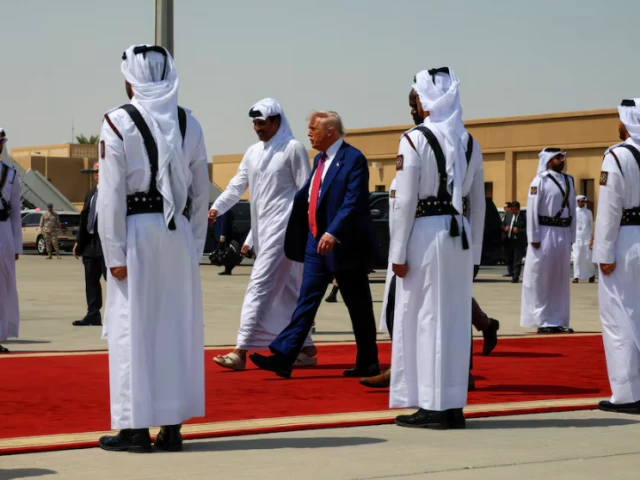
The UAE President recently embarked on a diplomatic tour across Gulf states, aiming to strengthen political, economic, and security cooperation in the region. The visits reflect the UAE’s commitment to fostering collaboration and maintaining stability amid evolving regional challenges.
During the tour, discussions focused on joint strategies to address emerging issues, including economic diversification, security threats, and regional development initiatives. Leaders emphasized the importance of unity and coordination among Gulf countries to tackle both current and future challenges effectively.
Political cooperation was a central theme of the meetings. The UAE President engaged with top officials to discuss mechanisms for enhancing diplomatic coordination, improving crisis response, and fostering mutual understanding among Gulf states. The talks highlighted the UAE’s role as a proactive partner in regional diplomacy and its dedication to promoting dialogue and cooperation.
Economic collaboration also featured prominently on the agenda. Gulf leaders explored opportunities for trade expansion, investment partnerships, and infrastructure development. The discussions aimed to create a more integrated economic environment that supports growth, innovation, and long-term prosperity across the region. Joint projects in technology, energy, and finance were identified as key areas for cooperation.
Security coordination was another critical topic during the tour. The UAE President emphasized the need for collective efforts to address emerging threats, including regional conflicts, cyber challenges, and maritime security. Collaborative strategies were discussed to enhance intelligence sharing, crisis management, and joint exercises, ensuring the safety and stability of Gulf nations.
Experts note that such high-level tours are essential for reinforcing regional alliances. By engaging directly with neighboring leaders, the UAE President demonstrates leadership and a commitment to shared goals. These visits foster trust, strengthen diplomatic ties, and provide a platform to develop coordinated approaches to regional challenges.
The tour also underscored the UAE’s role as a central player in Gulf diplomacy. The country has consistently positioned itself as a hub for dialogue, mediation, and cooperation. Its proactive engagement in regional affairs enhances its influence and ability to drive constructive solutions to complex political and security issues.
In addition to formal discussions, the tour included engagements that highlighted cultural and economic ties. Leaders exchanged views on initiatives that promote people-to-people connections, tourism, and cultural collaboration. These efforts aim to reinforce the bonds among Gulf nations while supporting regional stability and growth.
Analysts highlight that the UAE President’s Gulf tour comes at a crucial time when the region faces multiple challenges, from global economic shifts to security risks. Coordinated efforts among Gulf states are seen as vital for ensuring continued peace, economic resilience, and sustainable development. The tour sends a strong message of unity and preparedness in addressing these issues collectively.
By focusing on political, economic, and security collaboration, the UAE President seeks to establish a clear roadmap for future cooperation. The initiatives discussed during the tour are expected to lead to concrete agreements, joint programs, and strengthened partnerships that benefit the region as a whole.
Overall, the UAE President’s Gulf tour reinforces the country’s position as a diplomatic leader in the Middle East. By promoting regional coordination, enhancing economic ties, and strengthening security cooperation, the UAE is paving the way for a more united, stable, and prosperous Gulf region. The tour highlights the importance of strategic engagement and collaborative problem-solving in today’s dynamic geopolitical environment.

