


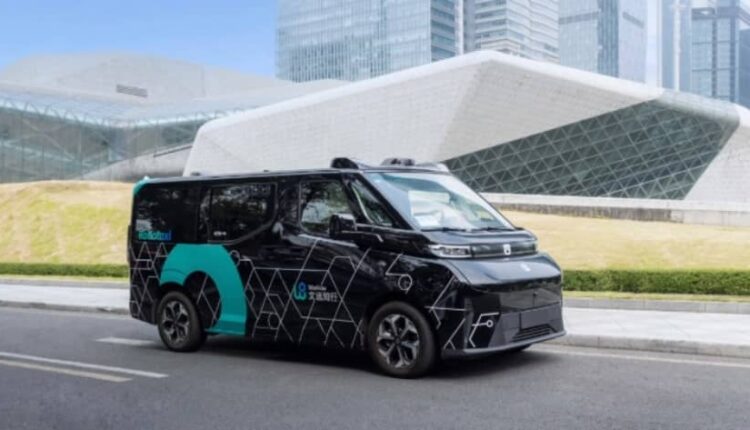
Baidu and Uber have announced plans to launch Apollo Go autonomous ride-hailing services in Dubai’s Jumeirah area. The service will allow passengers to book fully self-driving vehicles through the Uber app, marking a major milestone in AI-powered mobility.
The deployment of autonomous vehicles in a major urban area demonstrates Dubai’s commitment to smart transportation and advanced technology. By integrating self-driving cars into daily commuting, the city aims to improve traffic efficiency and reduce reliance on human drivers.
Apollo Go uses Baidu’s AI and autonomous driving technology to navigate city streets safely. The vehicles are equipped with advanced sensors, cameras, and software capable of detecting obstacles, planning routes, and responding to dynamic traffic conditions in real time.
Officials say the service will initially focus on the Jumeirah district, allowing residents and visitors to experience self-driving ride-hailing in a controlled environment. The program is expected to expand to additional areas as technology and infrastructure readiness increase.
Autonomous ride-hailing offers several potential benefits, including increased safety, reduced congestion, and lower emissions. By relying on AI to drive, vehicles can follow optimal traffic patterns, reduce human error, and contribute to Dubai’s vision of sustainable urban mobility.
Uber and Baidu have emphasized that passenger safety remains the top priority. Each self-driving vehicle is monitored remotely and can switch to human control if necessary, ensuring a secure and reliable ride experience.
The launch of Dubai autonomous self-driving services positions the UAE as a leader in AI-driven transportation. Cities worldwide are exploring autonomous mobility, but Dubai’s combination of supportive policy, advanced infrastructure, and private-sector innovation sets it apart.
Experts note that integrating autonomous vehicles into public ride-hailing networks requires extensive testing and regulatory oversight. Dubai’s phased approach in Jumeirah allows companies to refine systems, address challenges, and ensure smooth operations before wider deployment.
Passengers using Apollo Go will book rides via the Uber app, just like regular taxis or ride-hailing services. The AI-driven system calculates routes, handles pick-ups and drop-offs, and ensures efficient travel while maintaining a focus on safety and comfort.
Dubai’s focus on autonomous mobility aligns with broader initiatives in smart cities and digital transformation. The introduction of self-driving ride-hailing is expected to inspire further innovation in logistics, public transport, and connected infrastructure.
By bringing AI-powered mobility to mainstream users, Dubai autonomous self-driving services demonstrate the city’s readiness to embrace cutting-edge technology. Residents and tourists alike will gain firsthand experience of a future where autonomous vehicles are part of everyday life.
The Apollo Go service in Jumeirah is just the beginning. Officials and companies involved hope that autonomous self-driving will expand throughout Dubai, transforming how people travel, reducing road congestion, and setting a global example for urban mobility innovation.

