


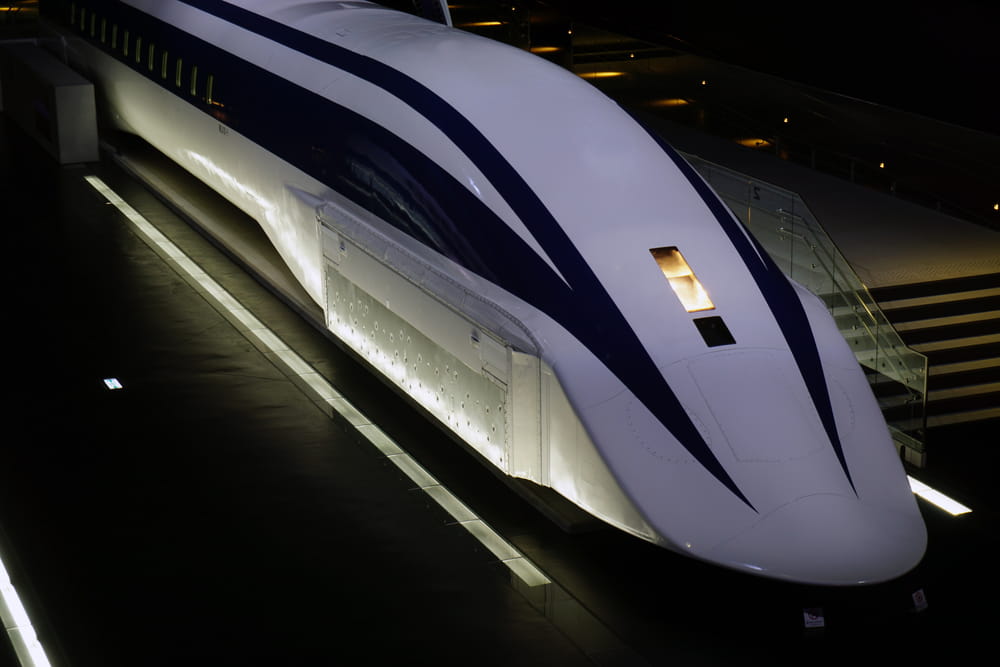
Japan is developing the L0 Series, a magnetic-levitation train that has already hit test speeds of 603.5 km/h, making it the fastest train ever built. The project is being led by Central Japan Railway Company and will run on the new Chūō Shinkansen line.
When operational, the L0 Series is expected to cut travel times dramatically, reducing Tokyo–Nagoya journeys to about 40 minutes, and eventually linking Tokyo, Nagoya and Osaka into a single megaregion. The full Tokyo–Osaka trip could take just one hour.
The technology relies on magnetic levitation, lifting trains above the track to eliminate friction and allow extreme speeds. But this performance comes at a cost: the project has already exceeded £50bn, requires specially built tunnels, consumes far more energy than conventional rail, and has been delayed until the mid-2030s.
While the idea excites rail fans, experts are sceptical about Europe adopting it. The L0 Series cannot use existing tracks, carries fewer passengers than European high-speed trains, and would demand vast new infrastructure investment. Combined with Europe’s focus on comfort, scenery and capacity rather than ultra-short journey times, a Japanese-style maglev looks unlikely to arrive any time soon.

