


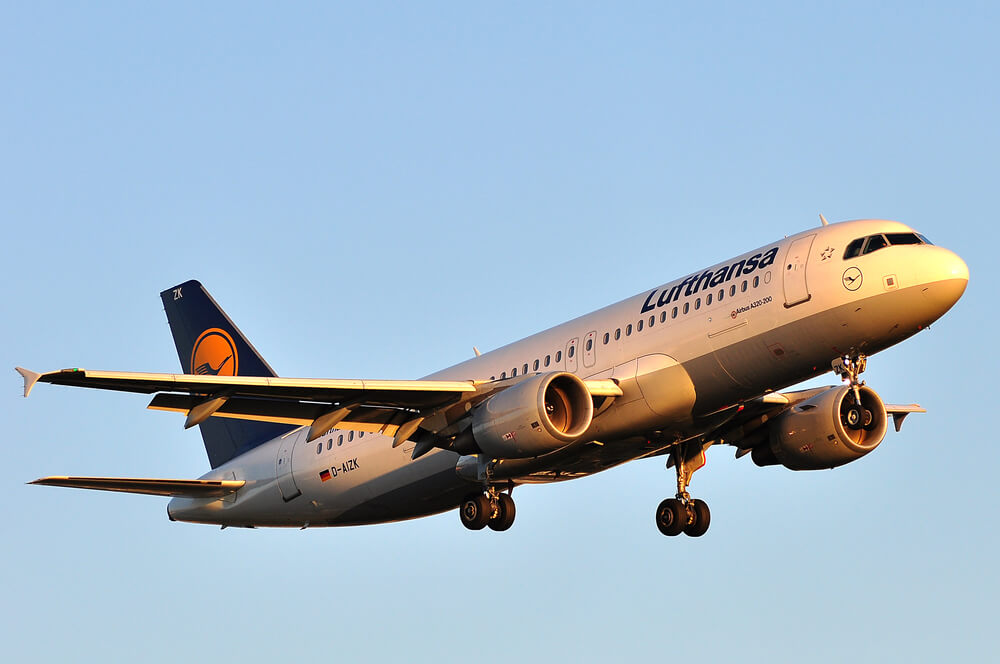
Airlines across the world are tightening safety rules around power banks after a serious cabin fire highlighted the risks posed by portable batteries. In Europe, Germany’s Lufthansa has moved first, rolling out stricter limits on how passengers can carry and use these devices on board.
Lufthansa Cracks Down on In-Flight Use
Lufthansa has updated its policy to curb the use of power banks during flights, citing growing safety concerns. Passengers are no longer allowed to use battery packs to charge phones, tablets or other personal devices while in the air. Charging through seatback entertainment systems is also now prohibited.
The airline emphasised that power banks are still allowed in cabin baggage, but the long-standing ban on placing them in checked luggage remains in force. In addition, passengers must keep power banks on their person or in hand luggage stored under the seat. Placing them in overhead bins is no longer permitted.
New Limits on Size and Quantity
Under the revised rules, power banks are capped at a maximum capacity of 100 watt hours, or roughly 27,000 mAh. Travellers who wish to carry larger battery packs must seek prior approval from the airline. Devices brought on board without authorisation may be confiscated and destroyed.
Lufthansa has also limited passengers to a maximum of two power banks per flight. To avoid inconvenience, travellers are being advised to fully charge their devices before boarding or rely on the aircraft’s dedicated USB charging ports during the journey.
The restrictions apply across the Lufthansa Group, including Swiss, Eurowings, Austrian Airlines, Discover, Brussels Airlines, Edelweiss and Air Dolomiti.
A Fire That Changed the Conversation
The move follows mounting concern within the aviation industry after a power bank sparked a fire aboard an Air Busan aircraft in January 2025. The Airbus A321 was still on the ground when flames erupted from an overhead compartment, injuring 27 people.
Investigators later confirmed that a severely damaged power bank caused the blaze, which spread rapidly and engulfed much of the aircraft’s fuselage within minutes. Passengers were forced to evacuate using emergency slides.
In the wake of the incident, aviation safety authorities worldwide, including the European Union Aviation Safety Agency, have been reassessing guidelines to reduce the risk of battery-related fires in cabins. Lufthansa’s decision reflects a broader shift toward stricter preventive measures across the industry.

