


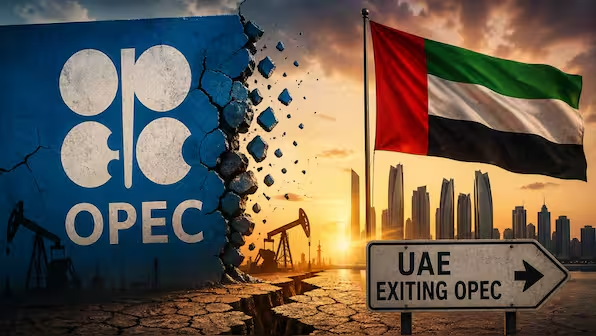
The UAE OPEC exit impact is reshaping global oil markets. The United Arab Emirates has decided to leave OPEC from May 1. This move removes one of the group’s key producers. It also weakens OPEC’s control over oil supply and prices. India may be one of the biggest winners from this shift. India imports most of its crude oil needs. So any change in global supply directly affects its economy and inflation.
For India, the impact is immediate and important. Lower oil prices can reduce import bills. This can also ease inflation in food and transport costs. A weaker OPEC gives India more power in negotiations. Producers will now compete for buyers instead of fixing output together. This creates a more open market for crude oil. India can also secure long-term deals at better prices. This improves energy security and economic stability. Experts believe India is in a stronger position in this new market structure. The shift may support growth in the coming years.
Outside OPEC rules, the UAE is expected to increase oil production. It may raise output by around one million barrels per day in the near term. In the long term, capacity could reach up to five million barrels per day. This extra supply may keep global oil prices under pressure. It also reduces the strength of coordinated supply cuts. More oil in the market usually leads to softer prices. This is positive for large importers like India. The UAE has strong infrastructure and fast production ability. This allows quick scaling when needed. The change also signals a shift toward market-driven output decisions.
Energy analyst Prashant Vashisht noted that the UAE’s location near India makes the supply link more efficient. He said rising production from a nearby producer directly benefits India. Short transport routes reduce costs and delivery time. This improves supply stability compared to distant exporters. Analysts see this as a strong advantage for Indian refiners in the coming years.
Geography plays a key role in this shift. UAE crude reaches India faster than oil from the Americas or Africa. Shipping costs are also lower due to shorter distances. This improves energy security for Indian refiners. It also reduces exposure to long and risky shipping routes. At a time of global uncertainty, closer suppliers are more valuable. India can balance its imports more efficiently with such partners.
The UAE exit impact goes beyond supply numbers. It weakens OPEC’s ability to control global oil prices. The UAE represents about three percent of global supply. It also has spare capacity that helped stabilize markets. Its exit reduces coordination within the group. OPEC now faces more internal differences among members. Some producers prefer higher output instead of strict quotas. This creates pressure on the cartel’s unity. The group already faces competition from US shale oil producers. The UAE decision adds more stress to its system. Experts believe OPEC’s influence in global markets is slowly declining.
An increase in global oil supply can influence prices quickly. Even a rise of one million barrels per day can reduce price pressure. This helps importing countries like India. Lower prices reduce fuel and transport costs. It also supports economic growth. However, price stability is not guaranteed. Markets remain sensitive to political and supply risks. Small disruptions can still cause sharp price changes.
Despite benefits, risks remain for India. A large share of UAE oil still moves through the Strait of Hormuz. This narrow route is exposed to regional tensions. Any conflict in the area can disrupt shipments. This can quickly push prices higher again. India must manage this risk carefully. It continues to expand strategic oil reserves. It also works on diversifying suppliers across regions. Flexible contracts help reduce sudden supply shocks. Energy planners focus on both cost and security together.
The UAE OPEC exit impact signals a new era in oil markets. Buyers gain more power. Producers compete for demand. For India, this means opportunity and caution together. Lower prices may help, but risks remain in global energy routes and geopolitics.

