


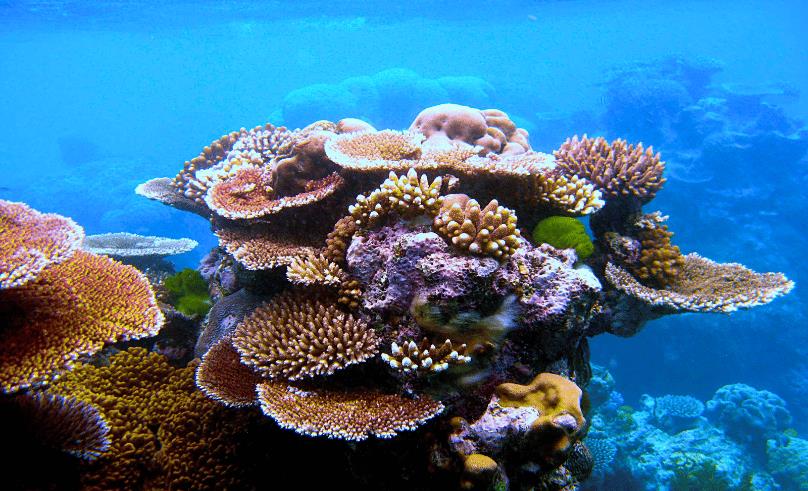
The Abu Dhabi Coral Project has reached another major milestone after adding more than 302,000 new coral colonies since the beginning of 2026. The latest achievement brings the total number of restored coral colonies to about 1.8 million since the programme was launched.
The Environment Agency – Abu Dhabi said the project continues to expand as part of a long-term plan to restore marine ecosystems and improve biodiversity across the emirate’s coastal waters.
Along with growing new coral colonies, the programme has installed more than 12,700 artificial reef modules. These specially designed structures provide stable surfaces where corals can grow while creating safe habitats for many species of fish and other marine animals.
The Abu Dhabi Coral Project runs from 2025 through 2030. During this period, officials plan to deploy 40,000 artificial reef modules across coastal and offshore waters. Many of these structures are being placed in areas that have no natural coral reefs or seagrass habitats.
Once the programme is complete, the restored coral gardens are expected to cover nearly 1,200 square kilometres. The large restoration area is designed to improve marine ecosystems while supporting long-term environmental sustainability.
The Environment Agency said scientific studies have shown encouraging results from the artificial reef programme. Researchers found that the reef structures can attract marine life at rates up to three times higher than natural coral reefs. This makes them an effective tool for rebuilding damaged marine environments.
Before expanding the programme, experts tested seven different reef designs at 30 marine sites. The studies confirmed that the artificial reefs successfully supported coral growth, restored marine habitats, and helped create healthier conditions for fish populations.
Officials believe the growing reef network will also strengthen sustainable fisheries across Abu Dhabi. According to project estimates, the restored habitats could produce more than five million kilograms of pelagic and demersal fish each year after the ecosystem becomes fully established.
The project also plays an important role in protecting the coastline. Healthy coral reefs help reduce the impact of waves and storms, providing natural protection for beaches, islands, and coastal communities. Stronger marine ecosystems can also increase resilience against the effects of climate change.
Another key benefit of the programme is its support for blue carbon ecosystems. Coastal habitats such as coral reefs, seagrass beds, and mangroves help capture and store carbon, making them valuable tools in efforts to reduce the effects of climate change while improving environmental health.
The coral restoration programme has grown beyond its original goals. Earlier plans aimed to restore one million coral colonies. That target has already been exceeded with a reported success rate of more than 95 percent, encouraging officials to expand the initiative further.
The updated programme now aims to cultivate more than four million coral colonies by 2030. These colonies will be planted across more than 900 hectares of marine habitat. Officials say the expanded plan will make the Abu Dhabi Coral Project the world’s largest coral reef rehabilitation programme once completed.
Marine conservation experts continue to monitor coral health, water quality, and biodiversity throughout the restoration process. Regular scientific assessments help ensure that new coral colonies remain healthy and that artificial reef structures continue supporting marine life over the long term.
The project forms part of Abu Dhabi’s broader environmental strategy, which focuses on protecting natural resources, conserving biodiversity, and promoting sustainable development. By restoring coral reefs and expanding marine habitats, the programme aims to improve ocean health while supporting local fisheries and coastal ecosystems.
With steady progress during 2026 and ambitious targets for the years ahead, the Abu Dhabi Coral Project continues to demonstrate how large-scale environmental restoration can help protect marine life, strengthen coastal resilience, and create healthier ecosystems for future generations. The latest milestone highlights the emirate’s ongoing commitment to marine conservation and sustainable environmental management.

