


The United Arab Emirates has outlined a new phase in its energy strategy by highlighting the benefits of leaving the Organization of the Petroleum Exporting Countries. The move is expected to give the country greater freedom to expand its oil sector, speed up investment, and support long-term economic growth.
Officials said the decision supports the UAE’s national priorities and strengthens plans to build a more diverse economy. The strategy also aims to increase investment, improve industrial development, and create new opportunities across the energy sector.
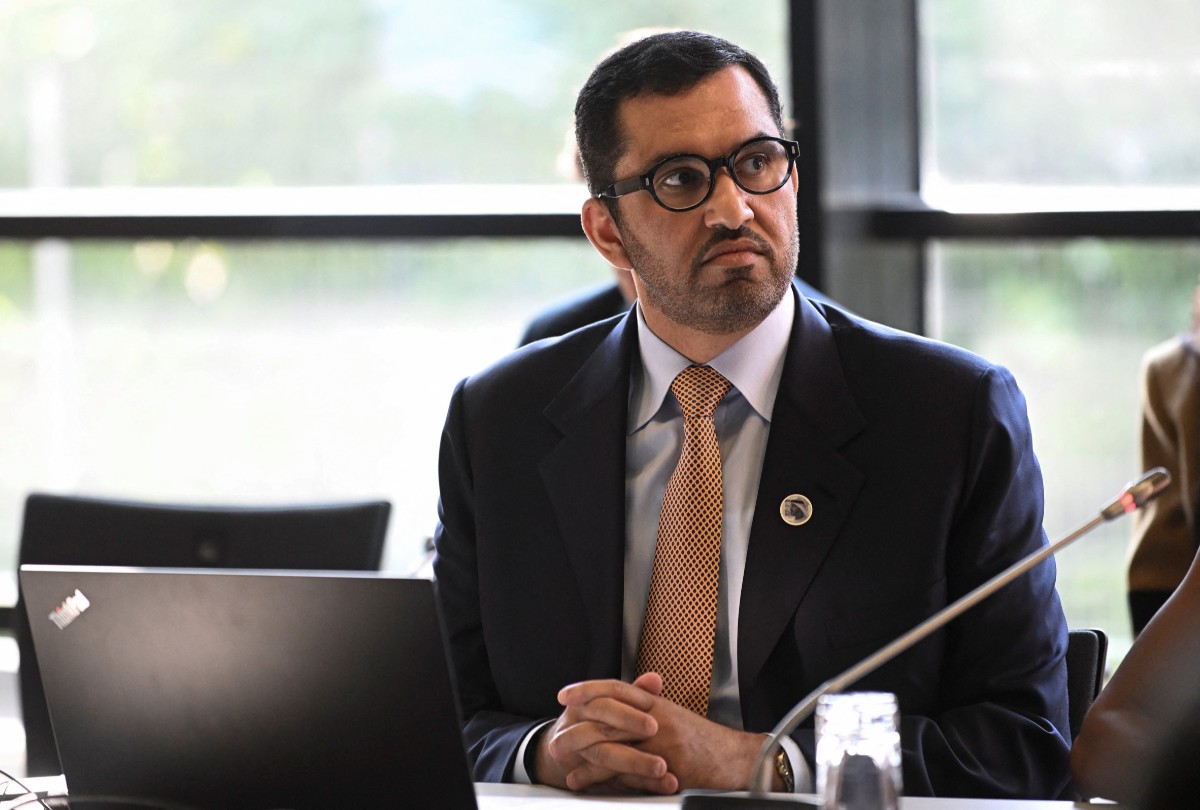
Sultan Al Jaber, the chief executive of Abu Dhabi National Oil Co., said the decision aligns with the country’s long-term goals. He explained that greater flexibility allows the UAE to move faster on major projects while creating more value for the national economy.
According to Al Jaber, the new approach supports industrial growth, economic progress, and future development. He said it also gives the country more freedom to increase investment and expand production based on national interests.
Abu Dhabi National Oil Co. also announced plans to accelerate its growth strategy. The company said it expects to award 200 billion dirhams, or about $55 billion, in oil-related projects. These awards are part of its previously announced $150 billion investment program, which focuses on expanding production capacity and supporting future energy demand.
The announcement came on the same day that members of the Organization of the Petroleum Exporting Countries agreed to make a modest increase in oil production quotas for June. While the production adjustment was limited, the UAE’s latest investment plans showed its focus on long-term expansion.
For several years, production limits within the oil-producing group had been a key issue for the UAE. The country has invested heavily in expanding its oil production capacity and has sought greater flexibility in using that capacity.
UAE Energy Minister Suhail Al Mazrouei has said that changing market conditions during the conflict in the Middle East created the right environment for the country’s decision to leave the organization. The shift allows the UAE to make production and investment decisions that better match its own economic plans.
The UAE has continued to increase its oil production capability through large investments in new fields, advanced technology, and infrastructure. These projects are designed to improve efficiency while supporting future global energy needs.
Abu Dhabi National Oil Co. currently estimates the country’s oil production capacity at 4.85 million barrels per day. This figure is higher than some estimates published by other organizations. The company plans to increase production capacity to 5 million barrels per day by 2027, reflecting its long-term expansion strategy.
The production increase is supported by ongoing investments in upstream oil projects, new facilities, and modern operating technologies. These efforts are intended to strengthen the country’s position as one of the world’s leading energy producers while maintaining reliable supplies.
Officials also said the strategy extends beyond oil production. The government wants to connect the energy sector with technology, manufacturing, and industrial development. This broader plan aims to create a stronger and more resilient economy by encouraging innovation and expanding high-value industries.
Energy remains one of the UAE’s most important economic sectors. However, leaders continue to promote diversification by investing in advanced industries, digital technology, and sustainable development. The latest energy strategy reflects that wider national vision.
The country’s investment program is expected to create business opportunities across engineering, construction, manufacturing, logistics, and energy services. Large-scale projects may also support job creation and encourage further private sector participation.
Global demand for energy continues to evolve as countries balance economic growth with changing energy needs. The UAE has stated that expanding production capacity while investing in technology will help meet future market requirements and strengthen long-term competitiveness.
With its latest investment plans, the UAE is reinforcing its commitment to expanding its energy sector while supporting broader economic transformation. The focus on faster investment, higher production capacity, and industrial growth is expected to play a key role in the country’s long-term development strategy through the coming years.

