


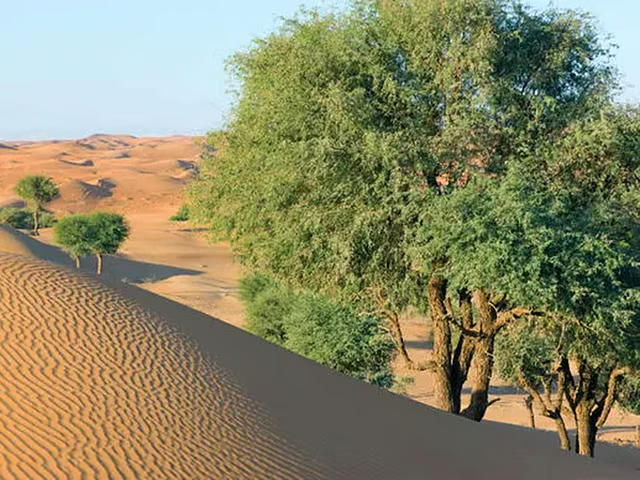
Abu Dhabi is preparing to launch one of the largest environmental restoration projects in the region, with plans to disperse 10 million native seeds across desert landscapes. The initiative aims to restore natural habitats, increase native plant growth, improve biodiversity, and strengthen ecosystem resilience against climate change and desertification.
The project is being led by the Environment Agency – Abu Dhabi (EAD), which has developed a large-scale strategy focused on reviving fragile desert environments through the use of native plant species and advanced environmental technology.
Officials say the programme represents a major step in long-term conservation efforts. By restoring vegetation in degraded areas, the project is expected to improve ecosystem health while supporting wildlife that depends on native plants for food and shelter.
The Abu Dhabi desert restoration initiative will use aerial seed dispersal methods to distribute millions of seeds across carefully selected locations. This approach allows large areas of land to be covered efficiently while reducing the need for extensive ground operations.
Environmental experts involved in the project have emphasized that the effort is about much more than the number of seeds being planted. The success of the programme depends on selecting the right plant species, identifying suitable landscapes, and monitoring growth over time.
Only native plant species will be used in the restoration effort. These plants are naturally adapted to the region’s climate and soil conditions, making them more likely to survive and contribute to long-term ecosystem recovery. Native vegetation also plays an important role in supporting local wildlife and maintaining ecological balance.
Advanced technologies are helping scientists determine the best locations for seed dispersal. Environmental data, land assessments, and mapping tools are being used to identify areas where native plants have the greatest chance of successful growth. This targeted approach increases the effectiveness of restoration efforts and improves the likelihood of long-term success.
The programme also includes detailed monitoring systems that will track seed germination and plant development. Researchers will study how well the seeds establish themselves in different environments and use the information to improve future restoration projects.
Climate change and desertification remain major environmental challenges in many parts of the world, including arid regions of the Middle East. Rising temperatures, changing weather patterns, and land degradation can reduce vegetation cover and place additional pressure on natural ecosystems.
By increasing the presence of native plants, environmental officials hope to improve soil stability, reduce erosion, and create healthier habitats for wildlife. Restored vegetation can also help landscapes better withstand environmental stress while supporting broader conservation goals.
The project reflects a growing trend toward combining environmental science with modern technology. Experts say innovative tools such as aerial dispersal systems, geographic mapping, and ecological monitoring can significantly improve restoration outcomes in challenging environments.
Conservation specialists view the initiative as an example of how large-scale environmental projects can be designed to produce long-term benefits. The combination of native species selection, scientific planning, and continuous monitoring provides a framework that could be applied to similar restoration efforts in other desert regions.
Officials believe the project will contribute to Abu Dhabi’s broader environmental sustainability objectives while helping protect natural ecosystems for future generations. The effort is expected to enhance biodiversity, support native wildlife, and strengthen the health of desert landscapes across the emirate.
As preparations continue, environmental experts will closely monitor the progress of the programme to evaluate its effectiveness. The results could provide valuable insights into how technology-driven restoration projects can help combat desertification and support ecosystem recovery in some of the world’s most challenging environments.
The Abu Dhabi desert restoration project highlights the increasing role of innovation in environmental conservation and demonstrates how large-scale action can help restore and protect fragile natural habitats.

