


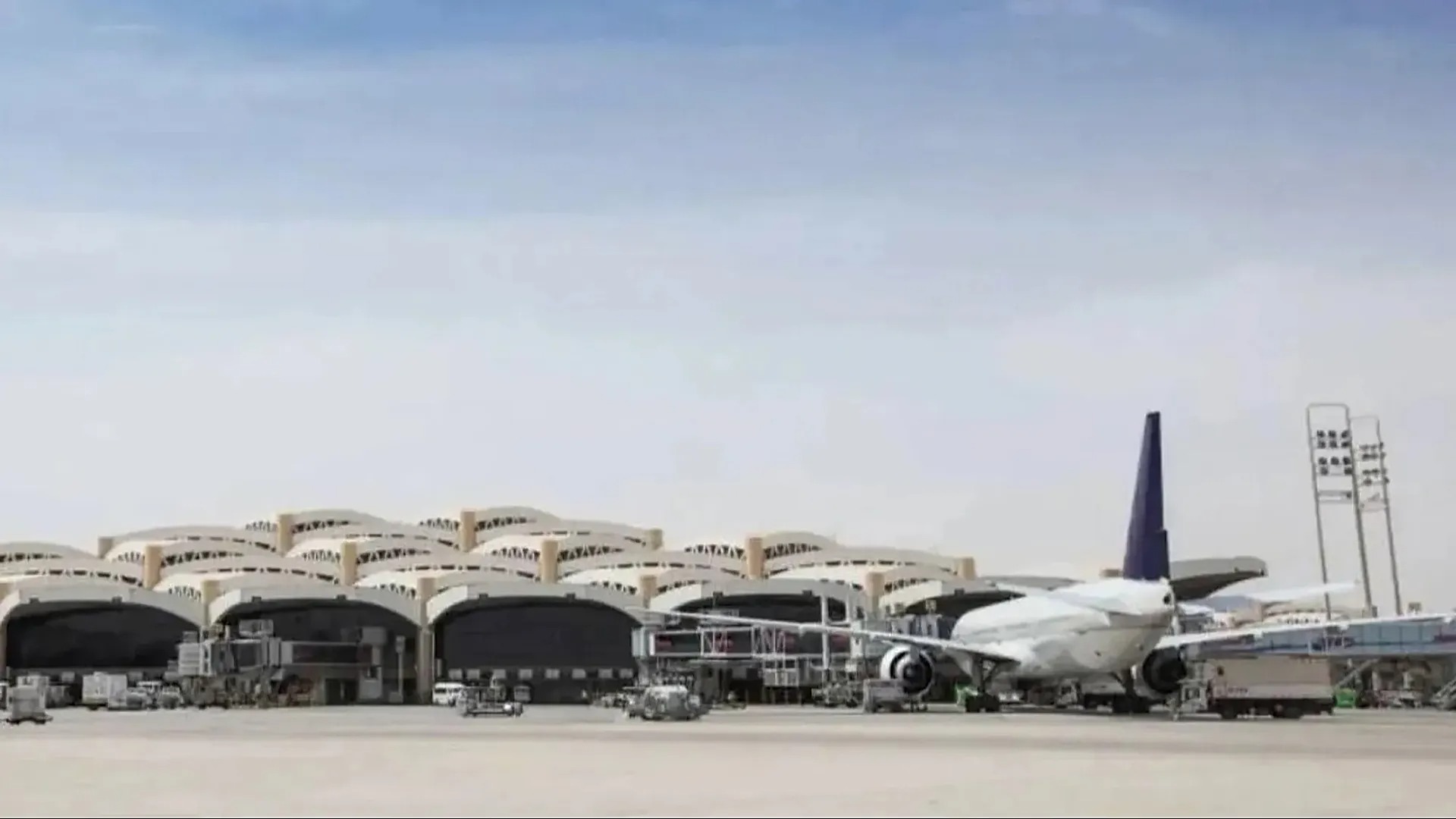
Calls for stronger Gulf defence cooperation have grown after deadly attacks on Saudi Arabia’s main international airport. The United Arab Emirates has urged Gulf states to work more closely on security, while Qatar has warned that the wider conflict is harming global energy supplies.
Anwar Gargash, a diplomatic adviser to the UAE president, said attacks on Saudi Arabia threatened the security of all Gulf states. He called for a stronger joint response to regional threats.
In a statement posted on X on Monday, Gargash said that all Gulf countries faced danger. He warned that gaps in shared defence had encouraged further attacks.
“Gulf security is a shared responsibility that allows no room for complacency or delay,” he said.
The remarks followed two attacks on King Khalid International Airport in Riyadh over the weekend. The first attack on Saturday killed 13 people and injured more than 300, according to Saudi authorities. The death toll rose from 12 after an Indian citizen died from injuries on Sunday.
A separate attack on Sunday killed a Pakistani national and wounded 11 others, Saudi officials said. Yemen’s Houthi movement claimed responsibility for both attacks.
The incidents have raised fresh concerns about the safety of key transport sites and public facilities across the Gulf. They have also renewed debate about how regional countries can work together to prevent further attacks.
Saudi Arabia received support from Turkey, Egypt and Pakistan in a joint statement released on Sunday. The three countries condemned the attacks and backed Saudi Arabia’s right to defend its territory.
They also supported measures by Riyadh to counter the attacks and prevent them from happening again. The statement said any such steps should follow the United Nations Charter and international law.
The countries called for an immediate and unconditional end to Houthi attacks. They also held the group responsible for the consequences of its actions.
However, Turkey, Egypt and Pakistan did not announce any new military deployments. Their statement focused on political support and the need to stop further attacks.
France also expressed support for Saudi Arabia. Its foreign ministry said on Sunday that Paris would continue to help the kingdom defend its territory and vital infrastructure. The ministry added that a French woman was among those injured in Saturday’s attack.
The responses show growing concern among regional and international partners about the risk of further violence. Yet the public statements did not set out a new joint defence plan or confirm additional military action.
Iran, which has ties to the Houthis, offered a diplomatic route. Iranian Foreign Ministry spokesman Esmail Baghaei said on Monday that Tehran remained ready to help mediate between Saudi Arabia and the Houthi movement.
Baghaei also said the Iranian and Saudi foreign ministers had spoken by telephone on Sunday about the latest developments. It was not clear whether the call had led to any specific agreement.
Alongside security concerns, the conflict has raised alarm about the global energy market. Qatar’s Energy Minister Saad Sherida al-Kaabi warned that the wider crisis had caused what he called the world’s worst energy crisis by a wide margin.
Speaking at the International Energy Forum’s ministerial meeting in Riyadh on Sunday, al-Kaabi said the conflict was affecting the movement of around 20% of global oil and gas supplies.
He expressed solidarity with Saudi Arabia and offered condolences to the families of those killed in the airport attacks. Al-Kaabi also heads QatarEnergy, the country’s state-owned energy company.
He said attacks on energy facilities across the region had caused damage worth tens of billions of dollars. The violence had also created sharp changes in global energy markets, adding to uncertainty for producers and consumers.
Al-Kaabi urged the forum to examine ways to protect energy facilities during conflicts and keep supplies moving. He said energy security should be a shared goal for all countries.
“Energy security must unite us, not divide us. It must be protected, not weaponized,” he said.
His warning highlights the wider economic risks of continued fighting. Disruptions to oil and gas supplies can affect prices, transport costs and industries that depend on reliable energy.
The latest attacks have placed renewed focus on Gulf security and the need to protect critical infrastructure. While several countries have backed Saudi Arabia, the region still faces questions about how to prevent further violence.
Stronger cooperation could help governments share information and improve their response to threats. However, lasting stability will also depend on efforts to reduce tensions and stop attacks across the region.
For now, Saudi Arabia is receiving diplomatic support from several partners, while the UAE is pressing for closer Gulf defence ties. Qatar’s warning adds urgency to the debate, as the conflict threatens both regional safety and the steady flow of energy to global markets.

