


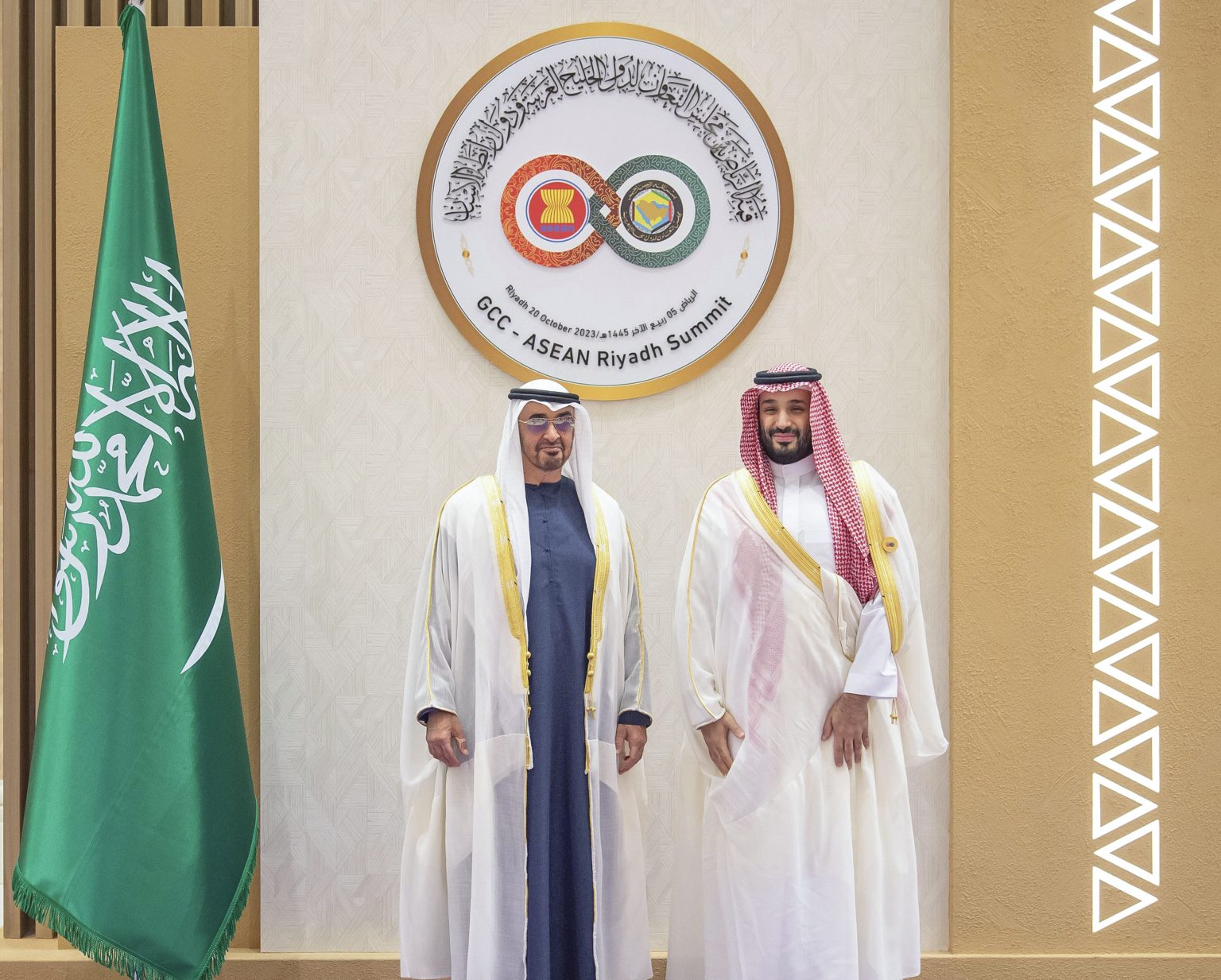
Since the Arab Spring uprisings swept across the region in the early 2010s, the United Arab Emirates has charted an increasingly independent path on the global stage. Guided by the strategic priorities of its leadership in Abu Dhabi, the country has built a foreign policy rooted in pragmatic self-interest and assertive decision-making. While Emirati leaders continue to collaborate with neighbors in the Gulf Cooperation Council and the Arab League when mutual interests align, they frequently step away from long-held regional consensus. This approach has transformed Abu Dhabi into both a regional outlier and a influential trendsetter.
This distinct foreign policy approach is visible across several key geopolitical conflicts and diplomatic shifts. In Yemen, the UAE has backed the Southern Transitional Council since its inception in 2017. Moving ahead of many Arab partners, Abu Dhabi restored formal diplomatic ties with the Syrian government under Bashar al-Assad in 2018. A major realignment occurred in 2020 when the UAE signed the Abraham Accords to normalize ties with Israel. More recently, Emirati support for the Rapid Support Forces has played a visible role in the ongoing conflict in Sudan. In early 2026, Abu Dhabi made another bold move by officially exiting OPEC and the broader OPEC+ alliance to pursue its own national energy goals.
Current diplomatic discussion suggests the UAE may soon go further by becoming the first Arab League nation to recognize Somaliland as an independent state. That move would follow Israel, which formally recognized Somaliland late last year. Taking such a step highlights how willing the nation is to forge ahead on its own path, even when its actions clash directly with traditional policies maintained by Saudi Arabia and other regional partners.
These bold moves have created visible tension between Abu Dhabi and Riyadh. What was once a subtle difference in opinion has grown into a broader rivalry spanning multiple active conflict zones. This growing split has gradually weakened overall unity among Gulf Arab states. Analysts in Riyadh and several other Arab capitals view these actions with concern. Some observers argue that Abu Dhabi is working alongside Israel in what they call an axis of fragmentation. From this perspective, supporting local groups and break-away political movements in fragile states damages national borders and threatens the stability of established regional powers.
Emirati officials reject accusations that they are deliberately causing instability in neighboring countries. They state that their foreign policy choices focus purely on national security, commercial interests, and regional economic stability. Leaders in Abu Dhabi also push back against claims regarding their ties with Israel. They maintain that their working relationship with Israeli officials is selective, practical, and based on shared economic or security needs rather than an automatic alliance.
Despite these assurances, the divergent paths taken by the two largest economies in the Gulf continue to reshape the political landscape of the Middle East. As Abu Dhabi pursues its goals through direct partnerships and independent actions, its competition with Saudi Arabia continues to influence regional diplomatic efforts. Whether managing trade routes, shaping regional alliances, or addressing active conflicts, the growing gap between these two nations marks a lasting change in how power is exercised across the region.

