


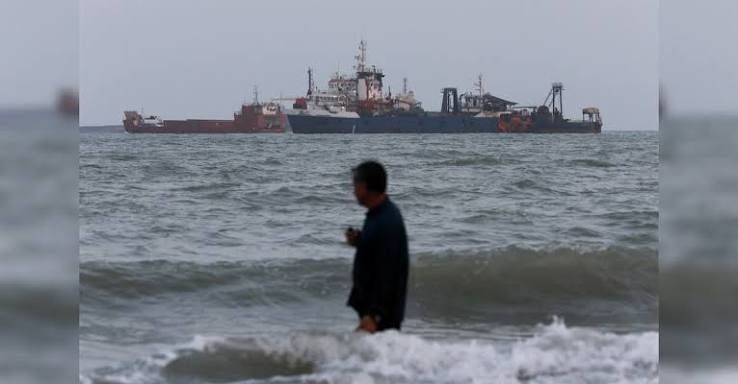
The United Arab Emirates has accused Iran of mounting a strike on two oil tankers in the Persian Gulf.Officials say the vessels were hit while passing through a narrow water route on Thursday night.State energy leaders confirm that Abu Dhabi owns both damaged ships. Drone attack in Strait of Hormuz risks have reached new peaks as global eyes watch the area.
The two commercial vessels were moving through the key oil passage when the strikes occurred. Local crews managed to keep the ships safe. Officials reported no fires and no leaks of toxic crude oil into the sea. The ships suffered small cuts and dented metal panels. No workers were hurt in the incident.Crews brought the situation under full control fast.
British naval monitors confirmed the strikes early Friday morning. Security teams tracked the movement of the damaged ships to safe ports. Marine safety experts say small flying drones caused the sudden blasts. These small aerial drones hit top decks and side areas of the large steel ships. Naval units rushed to protect other cargo ships nearby.
State leaders in the UAE spoke out against the strikes on Friday. Diplomatic teams called the acts crude forms of sea theft. They said the strikes breach international law and break UN rules.Officials warned that such actions hurt world energy markets. They urged world powers to secure vital sea channels for trade ships.
Iran has not released any statement about the recent strikes. Government agents in Tehran stayed silent as news spread. Regional tension remains high as military forces monitor the gulf waters. Shippers are now paying higher insurance rates to move oil through the sea pass. Security experts expect more patrols along the trade path to keep commerce moving.
The narrow sea lane connects large oil fields to global markets. Millions of barrels of oil move through this small ocean gate each day. Disruptions in this area quickly push up global fuel prices. Oil firms have told their captains to stay alert while sailing. Watch groups warn that more drone strikes could slow down shipments.
Naval forces plan to stay in the zone to keep key shipping lines open. Allied nations want clear rules to protect civilian crews at sea. Local ports have added extra watch teams on land and water. Leaders say free navigation must continue without fear of attack.
Many energy analysts look closely at how markets will react in the coming days. Fuel supplies remain steady for now because the damage was light. Yet long delays could raise costs for consumers around the world. Ship owners are calling for stronger defense measures on long transit routes.
The drone attack in Strait of Hormuz waters shows how fragile major trade routes can be during tense times. Oil companies continue to run ships with extra caution. Security agencies will monitor all vessels in the region around the clock. Further steps will depend on international response and diplomatic talks.
Maritime authorities urge all ships to report suspicious activity at once. Crews are instructed to use secure lanes and maintain constant radio communication. The incident highlights the need for ongoing vigilance in one of the world’s most critical oil corridors. Defense teams will review full safety plans this week.

