


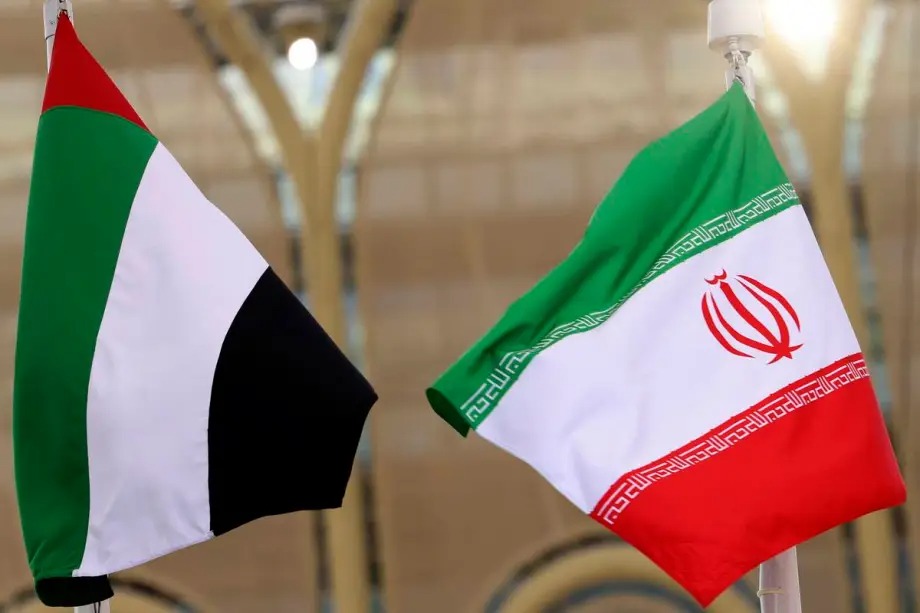
Qatar, Saudi Arabia and Kuwait have strongly condemned an attack on two UAE oil tankers in the Strait of Hormuz.
The three Gulf states issued separate statements on Friday. They said attacks on commercial ships are a serious threat to safe shipping. They also warned that such incidents could raise tension across the Gulf.
The two tankers are operated by Abu Dhabi National Oil Company, known as ADNOC. They were attacked while sailing through the Strait of Hormuz late Thursday.
The incident has drawn fast attention from Gulf governments. The waterway is one of the world’s most important routes for oil and gas shipments. Any major threat to ships there could affect energy markets around the world.
Qatar said it rejected attacks on commercial vessels. It stressed the need to protect safe passage through the waterway. Saudi Arabia also condemned the incident and called for greater efforts to protect regional security.
Kuwait joined the criticism. It said the safety of maritime routes must be respected. The three countries stressed that the Gulf needs calm and stable shipping conditions.
The Strait of Hormuz links the Gulf with the Gulf of Oman and the wider Arabian Sea. It is a key route for energy exports from several major producers.
Millions of barrels of oil and large amounts of gas pass through the area each day during normal trade. This makes the waterway vital for energy buyers in Asia, Europe and other markets.
A serious disruption could have effects far beyond the Middle East. Higher shipping risks can raise insurance costs. Longer routes can also increase fuel use and delivery times.
The latest attack comes at a time of high tension in the region. Gulf states are closely watching developments around the Strait of Hormuz. They are also concerned about any event that could threaten energy supplies.
The exact cause and scale of the damage remain under review. Regional authorities have not provided all details about the incident. Maritime agencies are continuing to watch the area.
The strong response from Qatar, Saudi Arabia and Kuwait shows how important the issue is for the Gulf Cooperation Council region.
The three countries share close economic and security ties with the UAE. They also depend on stable sea routes for trade and energy exports. Any threat to one country’s ships can therefore create wider concern across the region.
The statements also stressed the importance of international law. Gulf governments want commercial ships to move safely without threats or interference.
The Strait of Hormuz has long been a major point of geopolitical tension. Past disputes have shown how quickly events in the waterway can affect global markets.
For Gulf states, the current focus is on preventing the situation from getting worse. More attacks could put greater pressure on shipping companies and energy traders.
The UAE has also faced calls to protect its maritime interests while working with regional partners. Cooperation could help reduce risks and support safe movement through the waterway.
The latest condemnations send a clear message from three major Gulf states. Qatar, Saudi Arabia and Kuwait want the Strait of Hormuz to remain open and safe for commercial traffic.
The wider impact will depend on what happens next. If shipping remains safe, markets may avoid a larger shock. But further attacks could increase concern over energy supplies and regional security.
For now, Gulf governments are calling for caution, cooperation and respect for international navigation rules. The safety of the Strait of Hormuz remains a key concern for the region and the global economy.

