


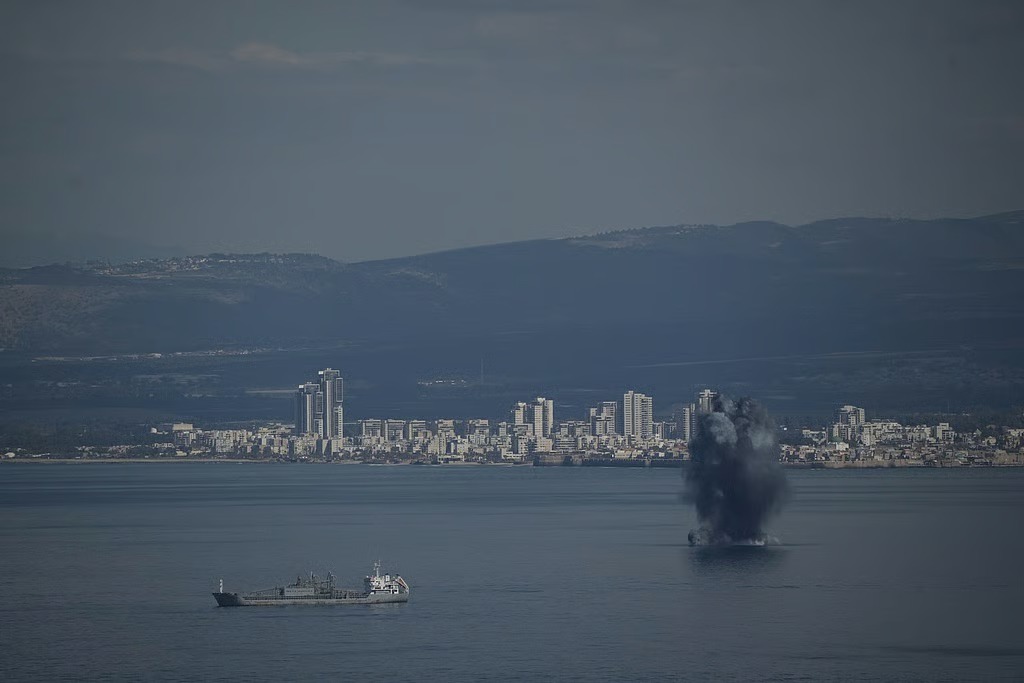
Iranian state media reported on Monday that its forces detained a foreign ship near Qeshm Island.The oil tanker seized in Strait waters was linked to the United Arab Emirates.Officials claimed the vessel broke maritime rules.
This event is the latest in a series of ocean clashes. Energy traders responded fast to the news. Global crude prices moved up right away.Brent crude futures jumped past $91 a barrel.Prices were below $70 before recent strikes began in late February.
Iranian outlets like the Fars News Agency shared the story.They cited state TV reports about the capture.Reports did not list the name of the ship.They also did not name the owner.The reports stated that ships must pay fees to pass.They added that ships must obtain official permits from local authorities. Ships must also use approved shipping lanes.
The UAE Ministry of Foreign Affairs condemned these actions.Leaders called the strikes unprovoked and dangerous.They referred to the acts as forms of piracy.Officials stated that blocking trade routes is unacceptable.They urged forces to stop targeting commercial boats.
Tensions have been growing over the last few weeks.Ships tied to the Abu Dhabi National Oil Company faced several strikes.Two ships were targeted on August 14 while moving with location transmitters off.Tracking firms identified these vessels as a product tanker and a crude carrier.Another vessel was hit on August 8. Analysts think up to 19 commercial vessels have faced similar threats recently.
Ship traffic through the narrow waterway has dropped fast. Maritime tracking data showed a sharp fall in active journeys.Only five vessels with active signals passed through on Saturday.Zero vessels transmitted signals on Sunday.This is down from 31 vessels the weekend before.
Many ship captains now turn off their tracking signals to stay safe. They prefer to move silently through the dark waters at night. Analysts say this silent movement kept oil markets steady for a short time. However, the latest detention news caused sudden market fear.
Energy markets remain very nervous. Traders fear long delays and higher insurance costs for fuel shipments. Any threat to this choke point affects global fuel supplies. Nations around the world are watching the situation closely as it unfolds.

