


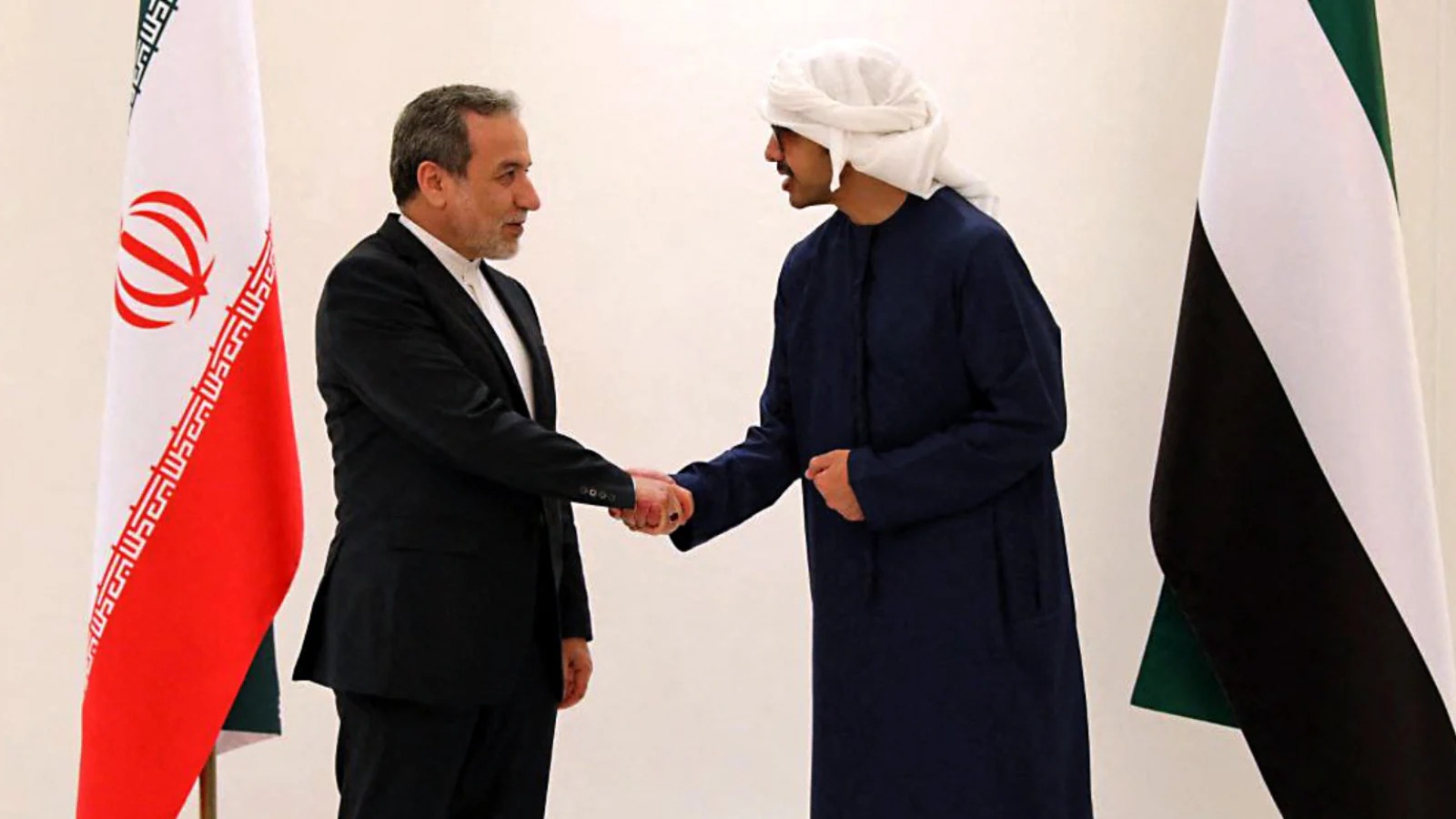
Iran has rejected allegations from the United Arab Emirates that Tehran launched ballistic missiles toward the UAE, as Abu Dhabi announced the suspension of trade, commercial exchanges and financial transactions with Iran amid escalating regional tensions.
Iranian Foreign Ministry spokesman Esmaeil Baghaei described the UAE’s allegations as baseless and accused Abu Dhabi of undermining efforts to strengthen regional trust and security.
Baghaei said the accusations were inconsistent with the principle of good neighbourliness. He argued that the UAE’s decision to suspend economic and financial dealings with Iran could further damage efforts to establish confidence and stability across the region.
The dispute followed an announcement by the UAE Ministry of Defence that its air defence systems had detected two ballistic missiles launched from Iran on August 18.
According to the ministry, the missiles were directed toward a target associated with maritime traffic. UAE authorities said one missile landed outside the country’s territorial waters, while the second fell within them.
The UAE did not provide further details about the circumstances surrounding the launches or publicly identify specific damage resulting from the reported incidents.
The UAE Ministry of Foreign Affairs subsequently announced that the country would suspend trade and financial transactions with Iran until further notice. Abu Dhabi said the decision was prompted by regional escalation that it believes threatens both regional and international peace and security.
The UAE also described the reported missile launches as a threat to maritime traffic and regional security, adding to concerns over the potential impact of military tensions on shipping and commercial activity.
Iran, however, rejected the allegations and questioned the UAE’s response.
Baghaei said Abu Dhabi’s position was counterproductive to regional efforts to establish trust and security. He called on countries in the region to consider what he described as continued actions by the United States and Israel that threaten peace and security before making accusations against Iran.
The comments reflect the broader tensions affecting the Middle East, where military confrontations and competing security concerns have increased pressure on regional governments to protect their territory and critical shipping routes.
The reported missile incident is particularly significant because of the UAE’s strategic position as a major commercial and financial hub. Disruptions involving maritime traffic could affect trade routes and raise concerns among businesses operating across the Gulf.
The UAE’s decision to suspend economic and financial transactions with Iran also represents a significant escalation in bilateral relations. The two countries have maintained important commercial connections despite political differences and wider tensions between Iran and several regional and Western powers.
Abu Dhabi’s announcement means businesses involved in trade and financial activities with Iran may face additional restrictions until the UAE government decides to restore normal relations.
Iran and the UAE have previously sought to maintain diplomatic engagement despite disagreements over regional security. Tehran has also promoted closer relations with neighbouring Gulf states as part of efforts to improve regional cooperation.
The latest dispute could complicate those efforts, particularly if further incidents involving missiles, maritime traffic or military activity occur.
The UAE has not indicated how long the suspension of trade and financial transactions will remain in place. Its foreign ministry said the measures would continue until further notice.
Iran, meanwhile, has maintained that the allegations against it are unfounded. Baghaei’s comments suggest Tehran is unlikely to accept the UAE’s account of the reported missile launches without further evidence.
The disagreement comes at a time when governments across the Gulf are closely monitoring developments that could threaten maritime security, energy supplies and international commerce.
For the UAE, the reported missile launches have raised concerns about the protection of its territory and surrounding waters. For Iran, the accusations and subsequent economic measures represent a setback to efforts to build stronger ties with neighbouring countries.
The immediate impact of the dispute will depend on whether the two sides pursue further diplomatic engagement or impose additional measures. Any further escalation could increase pressure on regional governments and businesses while creating new risks for maritime traffic and trade.
For now, Iran continues to deny responsibility for the alleged missile launches, while the UAE maintains that the incidents pose a serious threat to regional and international security.

