


The United Arab Emirates has strengthened its position as one of Africa’s most influential foreign investors, expanding its presence through major investments in ports, mining projects, logistics networks, and strategic partnerships. The growing role of the Gulf nation has sparked debate among analysts about its long-term objectives and the impact of its activities across the continent.
Over the past decade, the UAE has emerged as Africa’s fourth-largest investor. Its investments have reached multiple sectors, including transportation, energy, trade infrastructure, and natural resources. At the same time, the country has increased its political and security involvement in several regions, making it a significant player in African affairs.
Much of the UAE’s early involvement in Africa was driven by commercial goals. Dubai-based companies sought opportunities in emerging markets, particularly in countries where infrastructure development was still in its early stages. Ports became a major focus because of their importance in international trade and supply chains.
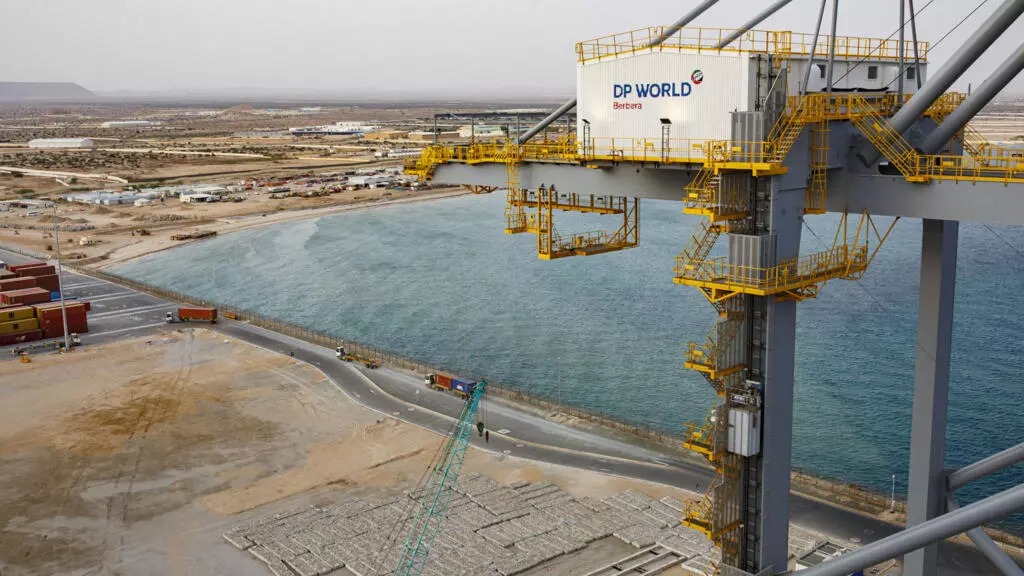
One of the leading forces behind this expansion has been DP World, a global port operator headquartered in Dubai. The company has invested in several African ports, helping improve shipping capacity and strengthen trade connections between Africa, the Middle East, Asia, and Europe.
Analysts say these investments have provided economic benefits for many countries by improving logistics, creating jobs, and supporting trade growth. Modern port facilities can help nations attract investment and increase exports, making infrastructure development an important part of economic planning.
However, observers note that the UAE’s role has evolved beyond commercial interests. In recent years, investments in strategic locations have increasingly carried political and security significance. This trend has been particularly visible in the Horn of Africa, a region located near some of the world’s most important shipping routes.
Experts point to the period following the outbreak of the Yemen conflict as a turning point. During that time, the UAE combined commercial infrastructure investments with broader strategic goals. Port facilities and logistics networks in parts of East Africa became important assets that supported regional operations and expanded the country’s influence.
As a result, analysts argue that projects originally designed for economic purposes gradually acquired military and geopolitical importance. This shift has contributed to growing discussions about the nature of the UAE’s engagement on the continent.
Some commentators have described the strategy as a form of modern economic expansion that creates long-term influence through investment and infrastructure ownership. Others argue that such descriptions go too far and fail to reflect the realities of partnerships between sovereign nations.
Experts note that the relationship between the UAE and African countries differs from historical forms of imperial control. African governments maintain authority over their territories and often actively seek foreign investment to support development goals. At the same time, large-scale infrastructure projects can create long-term economic ties that increase a foreign investor’s influence.
The debate centers on whether these investments create mutually beneficial partnerships or relationships that increase dependency over time. Similar questions have been raised regarding the activities of other major global powers that invest heavily in developing regions.
Beyond infrastructure, the UAE has also attracted attention for its involvement in regional conflicts. Sudan has become one of the most closely watched examples. Reports have highlighted the country’s connections with various actors involved in the ongoing conflict there, drawing international scrutiny.
Analysts suggest that the UAE’s approach is shaped by both security concerns and broader regional interests. The country has often supported military leaders and political figures it views as important partners for stability and security. This policy reflects a broader strategy that extends beyond Africa and can also be seen in parts of the Middle East.
According to observers, a key objective of this approach is to counter movements linked to political Islam. Emirati leaders have frequently expressed concerns about groups they believe could challenge regional stability. As a result, they have often aligned themselves with leaders and institutions viewed as strong barriers against such movements.
Supporters of the UAE’s engagement argue that investment, infrastructure development, and security cooperation can help promote economic growth and stability. Critics, however, question whether these actions primarily serve Emirati interests and increase foreign influence over key sectors.
The UAE Africa Investment Strategy continues to reshape economic and political relationships across the continent. As investment projects expand and strategic partnerships deepen, discussions about their long-term impact are likely to remain an important part of Africa’s development and international relations landscape.

