


Sudanese nationals living in the United States are preparing a class-action lawsuit against the United Arab Emirates, seeking civil damages over allegations that the Gulf nation provided financial and logistical support to Sudan’s Rapid Support Forces during the ongoing conflict in Sudan.
According to legal sources, the proposed case aims to hold the UAE responsible for allegedly aiding and supporting military operations carried out by the RSF since fighting erupted between the paramilitary group and the Sudanese armed forces in April 2023. The lawsuit is expected to be filed in the United States under civil liability laws that allow victims to seek compensation for damages linked to international conflicts and human rights abuses.
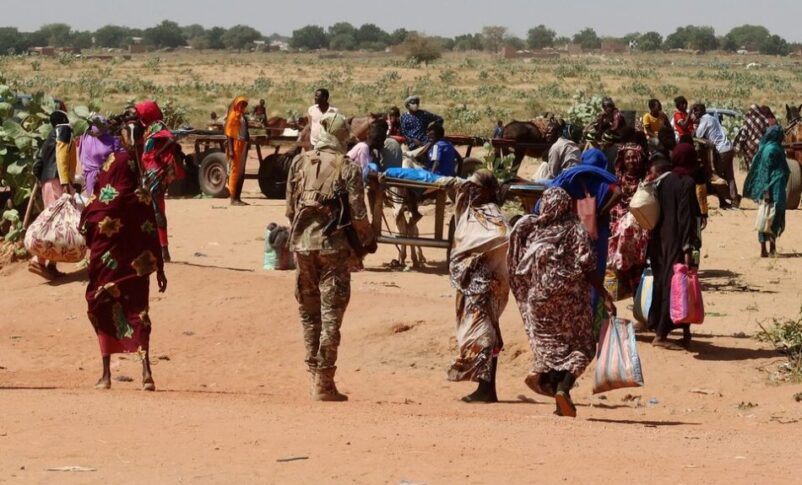
The planned legal action comes as Sudan’s civil war continues to generate international concern. The conflict has resulted in thousands of deaths, widespread destruction, and one of the world’s largest displacement crises. Millions of civilians have been forced to leave their homes as violence spread across multiple regions of the country.
The RSF has faced serious accusations from international human rights organizations and monitoring groups. Reports have alleged involvement in unlawful killings, forced displacement, sexual violence, and attacks against civilians. Some observers have also accused the group of carrying out acts that could amount to genocide in parts of Sudan, particularly in the Darfur region.
Cities such as El Geneina and El Fasher have become symbols of the humanitarian crisis. Rights organizations have documented allegations of attacks against civilian communities, destruction of property, and large-scale displacement. The conflict has placed immense pressure on humanitarian agencies attempting to deliver aid to affected populations.
Supporters of the proposed lawsuit argue that entities accused of providing financial or logistical assistance to armed groups should face legal accountability when that support contributes to alleged human rights violations. Legal representatives involved in the effort believe existing U.S. legal precedents could provide a foundation for the case.
The planned litigation is expected to rely heavily on previous civil court rulings involving claims connected to atrocities in Sudan. One case frequently cited by legal advocates involved the French banking group BNP Paribas.
In October 2025, a U.S. federal jury awarded more than $20 million in compensatory damages to three Sudanese refugees. The court found that the bank had provided financial services that helped sustain the government of former Sudanese President Omar al-Bashir during a period marked by violence in Darfur.
That ruling followed an earlier settlement between BNP Paribas and U.S. authorities. In 2014, the bank agreed to pay $8.9 billion and pleaded guilty to violating American sanctions related to Sudan, Iran, and Cuba. The case became one of the most significant sanctions enforcement actions in U.S. history.
Legal experts say the verdict demonstrated that third parties can face civil liability if their actions are found to have contributed to conditions linked to serious human rights abuses. Supporters of the new lawsuit believe the same legal principles could be applied in a case involving allegations connected to the Sudan conflict.
The UAE has repeatedly denied accusations that it has provided military assistance to the RSF. Emirati officials have stated in previous responses that the country supports efforts aimed at achieving stability and peace in Sudan. Abu Dhabi has also highlighted its humanitarian assistance programs for people affected by the conflict.
No court has ruled on the allegations currently being discussed by the prospective plaintiffs. Legal analysts note that any lawsuit against a foreign state could face significant procedural and jurisdictional challenges. Questions regarding evidence, sovereign immunity, and legal standing are likely to become central issues if the case moves forward.
Even so, the initiative reflects growing efforts by members of the Sudanese diaspora to seek accountability through international legal channels. Advocates argue that civil litigation may provide another avenue for victims and displaced communities seeking recognition and compensation for losses suffered during the war.
The conflict in Sudan remains one of the most serious humanitarian emergencies in the world. International organizations continue to call for ceasefires, negotiations, and increased humanitarian access to affected areas.
As preparations continue, the Sudan UAE Lawsuit Plans are expected to attract attention from legal experts, policymakers, and human rights groups. If filed, the case could become one of the most closely watched international legal challenges connected to the Sudan conflict and may influence future efforts to pursue accountability for alleged support of armed groups involved in major humanitarian crises.

