


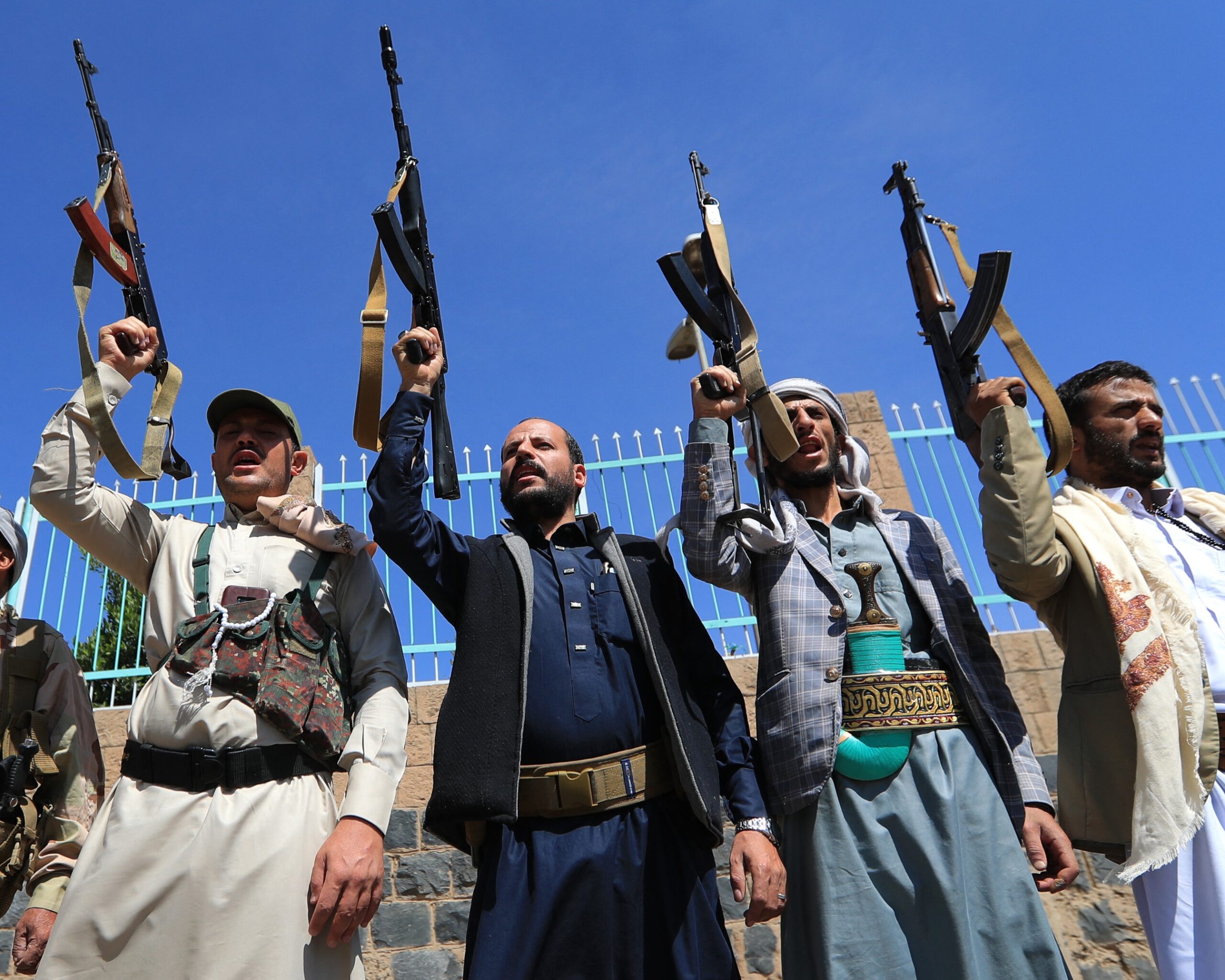
The United Arab Emirates is set to resume funding some forces fighting Iran-backed Houthi rebels in Yemen. In return, Saudi Arabia has agreed to provide air support for the anti-Houthi troops, according to sources in Yemen.
The deal marks a possible shift in ties between the two Gulf powers. The UAE and Saudi Arabia have been at odds over Yemen’s future. But the growing threat from Houthi forces has pushed both sides to seek closer cooperation.
The Houthis have stepped up attacks with drones and missiles. Saudi Arabia now faces daily strikes and has struggled to keep airports and parts of its energy system running as normal. The latest advance by the rebel group has raised alarm among rival leaders across the Gulf.
The UAE had trained and funded southern forces, mainly units known as the Giant Brigades. These troops are seen as some of the strongest fighters in Yemen’s divided anti-Houthi camp. But Abu Dhabi ended its military role inside Yemen in January and cut off its funding.
The new deal could restore some of that support. It may also help Saudi Arabia and the UAE respond to the Houthi advance. Neither government has publicly confirmed the reported agreement.
The future of southern Yemen remains a major point of dispute. Separatists have called for a vote on independence. Such a move could bring back the borders that divided Yemen into two states from 1967 to 1990.
Neither Saudi Arabia nor the UAE has responded to the demand for a referendum. The Southern Transitional Council, or STC, has also not agreed to send its troops to fight beyond the old borders of South Yemen.
An approval of a referendum by Saudi Arabia could help change that position. But the issue remains sensitive, as any split could reshape the balance of power in the region.
The STC is led by Aidarous al-Zubaidi, who fled to Abu Dhabi in January after a failed attempt to take control across southern Yemen. His group had planned to announce a referendum on separation within two years.
Saudi Arabia responded to the failed move by bombing shipments of weapons intended for STC forces. The UAE then announced it would end all involvement in Yemen. The Saudi-backed government also said it would seek to put Zubaidi on trial for treason.
The latest Houthi gains have raised concern among UAE officials. Despite heavy losses, the rebels remain determined to capture Taiz and Marib, two key cities outside the former borders of South Yemen.
Yemen’s internationally recognised government, based in Aden, announced a counteroffensive last week. Its goal is to push Houthi forces out of Sana’a, the country’s capital. So far, however, the campaign has made only limited progress near Majzar, close to Marib, and around the Bab al-Mandab strait.
Violence has also reached Aden. On Friday, two Houthi missiles struck near the city’s airport as a passenger plane prepared to take off. No casualties were reported. Yemen’s information minister, Moammar Al-Eryani, said the missiles landed about 500 metres from the Yemenia Airways plane and around 100 metres from the middle of the runway.
The attack came one day after a strike on a presidential palace in Aden killed at least five people and injured 16.
Regional powers are now weighing further action. Egypt’s president, Abdel Fatah al-Sisi, said he would call an emergency session of parliament to seek powers for the military to defend Saudi Arabia. He said Egypt would take no offensive action and would act only in defence.
The United Kingdom is also reviewing a Saudi request for more military support. Britain has sent an RAF Voyager aircraft used for air-to-air refuelling. Regional diplomats are pressing London to do more, while some have called for closer talks with other Gulf states, including Oman and Qatar.
Legal concerns remain over British support for the Saudi air campaign. In 2019, the UK’s Court of Appeal ruled that the government had acted unlawfully when it issued arms export licences during an earlier Saudi bombing campaign in Yemen. The court found that officials had failed to properly assess possible breaches of international humanitarian law.
Saudi Arabia says it has since changed its methods and argues that its actions are lawful self-defence under the UN Charter. On October 15, the UN Security Council adopted a presidential statement affirming Saudi Arabia’s right to defend itself under international law.
The full death toll from the latest phase of the war remains unclear. The United Nations says more than 200,000 people have been displaced since August. The growing number of people in need is putting greater pressure on aid groups based in Aden.
The reported UAE-Saudi agreement may strengthen the anti-Houthi camp, but it does not resolve the deeper dispute over Yemen’s future. With attacks spreading and civilians facing growing hardship, the two Gulf states face pressure to work together while managing their own competing goals.

