


The English Premier League has rejected a petition for the third time calling on it to question Manchester City owner Sheikh Mansour bin Zayed Al Nahyan over the United Arab Emirates’ alleged role in Sudan’s war.
The petition was organised by Christian Solidarity Worldwide (CSW), a UK-based human rights group. It asks the league’s chief executive, board and member clubs to raise concerns about the UAE’s reported support for Sudan’s paramilitary Rapid Support Forces (RSF) with Mansour.
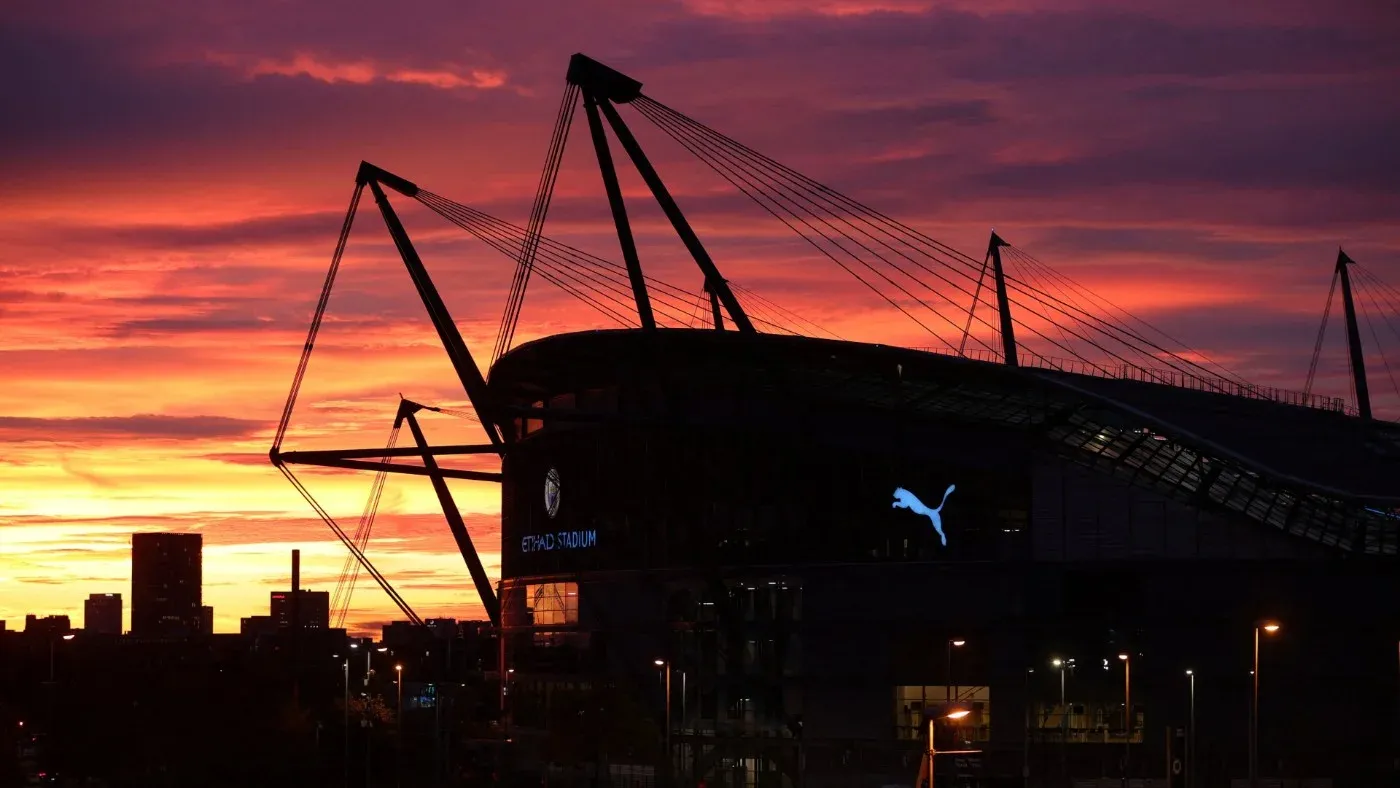
Campaigners first launched the petition outside Manchester City’s Etihad Stadium in January. The league refused to accept it on 28 April and again on 21 May. A third attempt was rejected on 14 October.
CSW said security staff told its team during the second attempt that they had been instructed not to accept any material from the group. The Premier League has declined to comment on the latest refusal.
The dispute comes as Manchester City faces continued scrutiny over its finances and its links to Abu Dhabi. Mansour, a member of the UAE’s ruling family, bought the club in 2008. He is the brother of UAE President Mohamed bin Zayed Al Nahyan and serves as the country’s vice president and deputy prime minister.
The Premier League has found Manchester City guilty of 114 charges linked to alleged serious breaches of its financial rules and a failure to cooperate with an investigation. An independent commission referred to what it described as “sham” contracts and commercial arrangements on eight occasions. The club was also accused of disguising more than £830 million, or about $1.1 billion, in funding.
Manchester City has appealed the findings and denies wrongdoing. The club says it has a “comprehensive body of irrefutable evidence” to support its position. The case has added to calls for closer attention to the relationship between the club and its Abu Dhabi owners.
When Mansour took control of City, the club’s rise was also presented as a way to promote the UAE on the world stage. Garry Cook, the club’s chief executive at the time, told Abu Dhabi representatives that Manchester City could act as a “proxy brand” for the country.
The takeover brought Emirati investment and influence to Manchester. The British government and politicians, including George Osborne and Tony Blair, encouraged links between the city and Abu Dhabi. Manchester City Council later struck deals with Abu Dhabi-linked groups to support urban development.
A University of Sheffield report, co-authored by Richard Goulding, examined a 2014 agreement between the council and Manchester City. It reported that profits from related deals were channelled to Abu Dhabi-controlled entities in Jersey, an offshore financial centre. Some tenant organisers and residents have said working-class communities in Manchester have not gained enough from the arrangements.
The financial case against Manchester City has also drawn attention to Greater Manchester Mayor Andy Burnham. The Greater Manchester Combined Authority recently published details of his meetings with the club, including meetings with chairman Khaldoon al-Mubarak. The published information did not mention two hospitality dinners Burnham attended with the Emirati executive during matches in 2017 and 2018.
Campaigners say the football club’s links to the UAE should also prompt questions about Sudan. The war between the Sudanese Armed Forces and the RSF has created a major humanitarian crisis, with reports of widespread violence against civilians.
Investigations by human rights groups, the United Nations’ independent fact-finding mission and media organisations have documented allegations of UAE support for the RSF. The UAE denies involvement in the conflict. Reports have cited weapons serial numbers, flight tracking data, video footage and other evidence of arms and supplies allegedly reaching the group through Somaliland, Ethiopia, Libya and Chad.
The New York Times has also reported that Mansour has regular direct contact with RSF leader Mohamed Hamdan Dagalo, known as Hemedti. Separately, investigations have reported that an Emirati company hired Colombian mercenaries to fight for the RSF.
Earlier this year, reporting also highlighted the alleged use of an Ethiopian army base by the RSF. The UN and the United States have determined that the paramilitary group committed genocide in Darfur, western Sudan, where it has a strong base of support.
CSW raised its concerns less than two weeks before the first anniversary of the RSF’s capture of el-Fasher, the capital of North Darfur. The city fell at the end of a long siege in October last year. Survivors and witnesses described executions, rape and ransom demands by RSF fighters in and around the city. The UN fact-finding mission said the group’s actions showed the “hallmarks of genocide.”
CSW’s Africa and Middle East team leader, Khataza Gondwe, said repeated violence showed the need for accountability. Abdallah Idriss Abugarda, president of the Darfur Diaspora Association, said the campaign was not against football but sought justice and respect for human rights.
The petition’s supporters argue that the Premier League should apply the same attention to human rights concerns that it gives to financial rules. The league has yet to accept the petition, while the allegations over the UAE’s role in Sudan remain denied by Abu Dhabi.

