


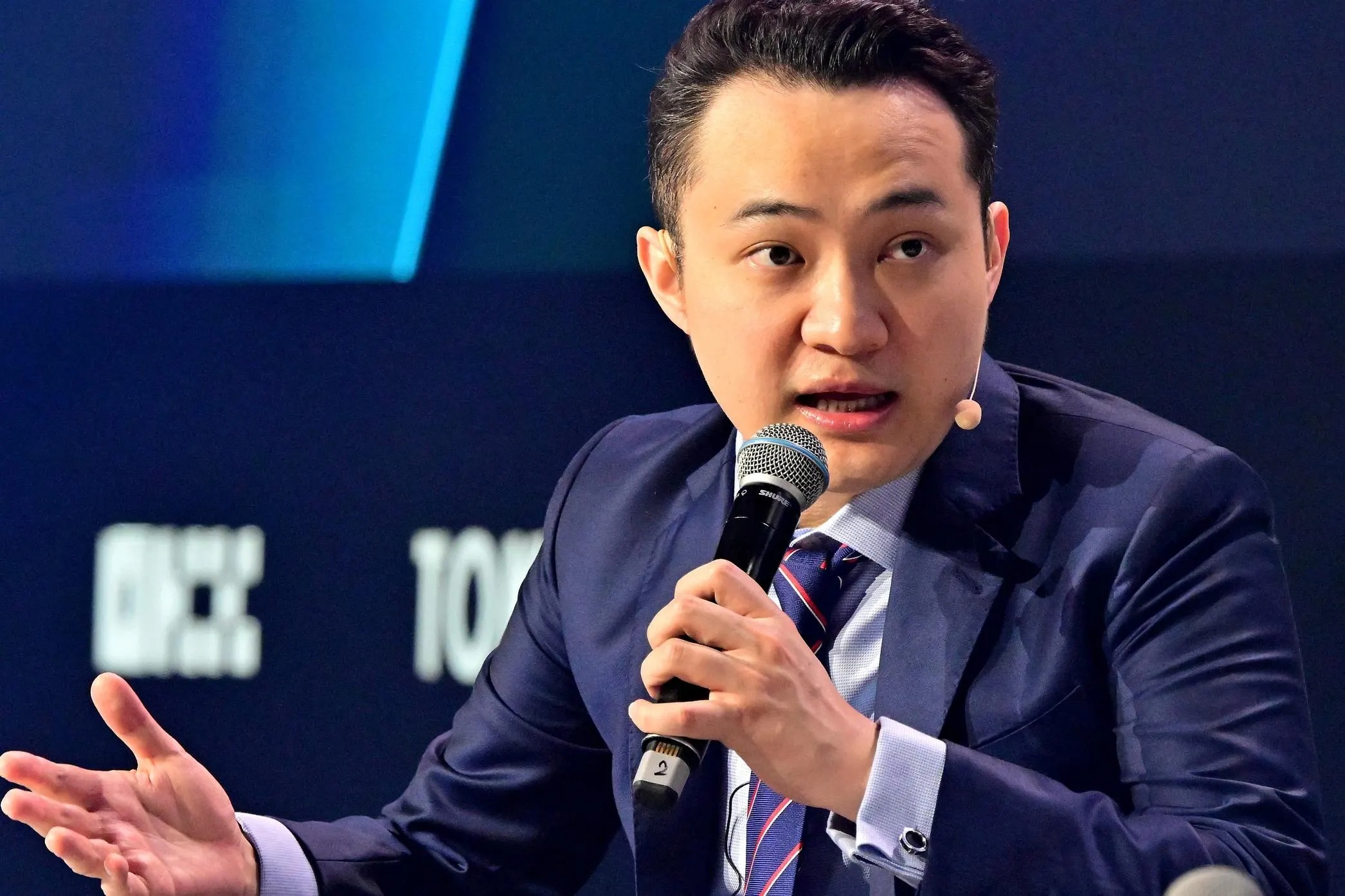
Justin Sun has asked a US federal court to impose sanctions on World Liberty Financial and its lawyers. The Tron founder accuses the Trump family-backed crypto company of failing to disclose its claimed UAE citizenship during the early stages of their legal dispute.
The request adds another layer to a case that began over frozen WLFI tokens. Sun argues that the company’s late ownership disclosure forced his legal team to spend months and large sums of money fighting an arbitration request before questions about the court’s authority emerged.
In a statement posted on X on November 3, Sun said his lawyers filed the sanctions motion after World Liberty changed its corporate citizenship disclosure. The amended filing raised questions about whether the case could continue in federal court in California.
World Liberty initially identified Florida as its only jurisdiction of citizenship. It later submitted a revised disclosure that listed 22 entities in its ownership structure. The company also identified Florida, Delaware, Puerto Rico and the United Arab Emirates as relevant jurisdictions.
Sun says the company should have provided this information when the lawsuit began in April. He argues that details about corporate ownership and citizenship were necessary for the court to determine whether it had the power to hear the case.
The original disclosure named only World Liberty Financial and listed Florida as its sole citizenship. According to Sun, the company’s lawyers also stated that they were unaware of any other parties that needed to be identified.
The revised filing came shortly after an August court hearing. Sun believes the timing raises serious questions about why the information was not provided earlier.
He said the company later argued that the federal court lacked jurisdiction because foreign parties were involved on both sides of the dispute. Sun is a foreign plaintiff, and the citizenship details of the company’s ownership structure could affect whether federal diversity jurisdiction applies.
Sun questioned how the company’s lawyers had failed to identify the UAE connection in the original filing. He suggested that either the legal team had not completed proper checks or the company had not given its lawyers accurate information.
He also said his lawyers asked World Liberty to explain the change but did not receive a satisfactory response. Sun claims the company refused to clarify how the original disclosure was prepared.
The disagreement follows months of arguments over arbitration. World Liberty had asked the court to send the dispute into private arbitration rather than allow the relevant claims to proceed through the federal court system.
Sun opposed that request. He says his lawyers spent months and hundreds of thousands of dollars challenging the company’s attempt to compel arbitration.
A hearing on August 20 produced a partial result for Sun. The court allowed some of his claims to remain in federal court while directing other claims toward arbitration. The judge also asked both sides to discuss which issues belonged in each process and submit a proposed agreement.
On August 26, less than a week after the hearing, World Liberty filed its supplemental corporate citizenship disclosure. The case then entered a period of jurisdictional discovery, allowing the parties to examine the company’s ownership structure and related questions.
A September 29 court order paused proceedings until October 22 while that process continued. Sun’s latest sanctions request now challenges the way the company handled its disclosure obligations and the legal costs he says followed.
The underlying lawsuit concerns WLFI tokens that Sun purchased through an investment agreement signed in November 2024. He initially committed $30 million to the project before increasing his investment to $45 million.
Sun filed the lawsuit in April, accusing World Liberty of misleading him and unlawfully freezing his token holdings. He claims the restrictions prevented him from transferring the tokens and using his governance rights. He also alleged that the company could permanently destroy his holdings through a token-burning mechanism.
World Liberty has rejected Sun’s claims. CEO Zach Witkoff has disputed his account of the restrictions and the company’s treatment of his investment.
The disagreement also involves allegations about the project’s smart contracts. Sun previously claimed that World Liberty had included undisclosed blacklist controls that could prevent investors from accessing their tokens. The dispute grew further after a proposed governance change sought to extend restrictions on early investors’ holdings.
World Liberty also filed a defamation lawsuit against Sun in Florida in May. The company accused him of organising a campaign to damage its reputation and token price. Sun rejected those allegations.
Despite the ongoing federal case, Sun says he plans to continue pursuing his original claims in California state court after the judge resolves the sanctions motion. The move would allow the wider dispute over his frozen WLFI tokens to continue through another legal route.
The latest filing does not settle the central allegations against either side. Instead, it focuses on the company’s ownership disclosures, the timing of its amended filing and the costs Sun says his legal team incurred. The court’s decision on sanctions and jurisdiction could shape how the dispute proceeds from here.

