


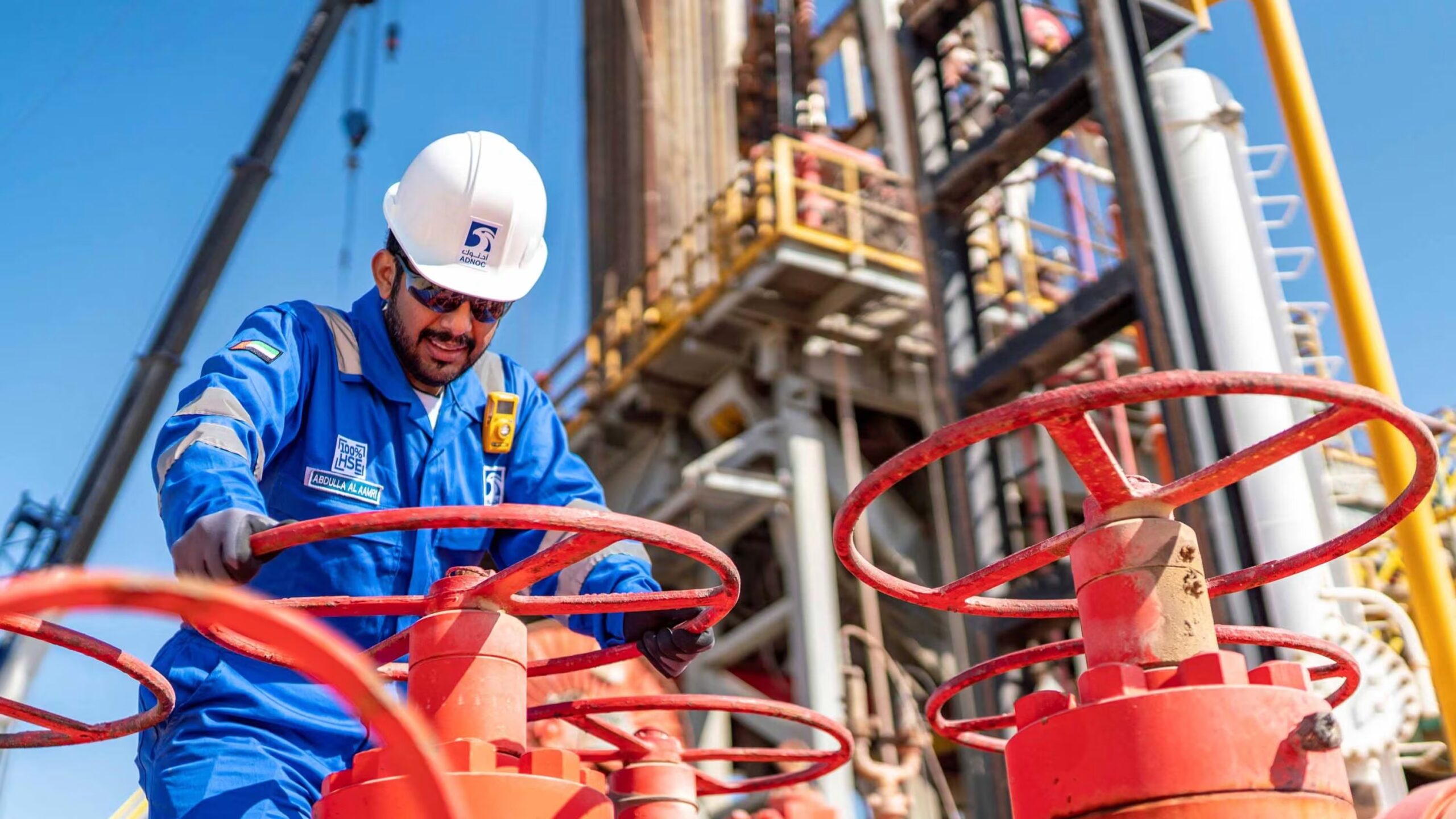
The United Arab Emirates is producing more oil than ever while maintaining its promise to reach net zero emissions by 2050. The country says rising oil output does not conflict with its climate goals. Officials argue that the shift to clean energy must happen over time and should not require an immediate end to fossil fuel production.
The UAE made global headlines in 2023 when it helped secure the first major international agreement calling for a transition away from fossil fuels. The deal was reached at the COP28 climate summit in Dubai. However, the country’s growing oil production has raised questions about how it plans to balance energy exports with its climate commitments.
Abdulla Balalaa, the UAE’s assistant foreign minister for energy, said the country supports a gradual and fair energy transition. He explained that there is no simple way for nations to replace fossil fuels with renewable energy overnight.
“There is no magic stick that makes us all shift to renewable or clean energy. That’s why it’s called an energy transition,” Balalaa said. He added that the UAE would continue using and exporting fossil fuels as the global energy system changes.
The country’s oil sector has continued to grow despite its climate targets. In May, the UAE reportedly left the Organization of the Petroleum Exporting Countries, known as OPEC. The decision followed frustration over production limits set by the group.
In September, the UAE reached a record oil output of 5.3 million barrels per day. The figure includes condensates and other liquid fuels. According to the International Energy Agency, production increased by 400,000 barrels per day compared with August.
Abu Dhabi National Oil Company has also continued to expand its production capacity. The government says these plans can move forward alongside its commitment to reach net zero emissions by 2050.
The UAE’s climate targets focus on emissions produced within the country. They do not directly cover all emissions linked to the oil and gas products it exports and which are burned in other countries. These are known as Scope 3 emissions.
Balalaa’s team did not give a direct answer about whether these exported fuel emissions are included in the country’s 2050 target. Instead, officials said the government’s calculations follow internationally recognised rules and methods.
Balalaa stressed that the UAE would not abandon its climate commitment. However, he also said the energy transition would take time.
The country’s climate plans have faced criticism from environmental groups. Climate Action Network has questioned whether the UAE can meet its targets. The group said the country’s goal of cutting emissions by 44% by 2035, compared with 2019 levels, would require a major increase in action.
The organisation also raised concerns about the country’s reliance on carbon capture, utilisation and storage. These technologies aim to capture carbon emissions and prevent them from entering the atmosphere. Critics argue that relying heavily on technologies that have not been proven at a large scale could create risks for climate plans.
The UAE says it has already made progress in expanding clean electricity. Its original target was to generate 32% of its electricity from clean sources by 2030. Balalaa said the country reached that goal five years ahead of schedule.
Government figures show that nuclear power supplied 22% of the UAE’s electricity in 2025. Renewable sources provided another 10.4%. The country is now working towards a higher target of 35% clean electricity by 2031.
Balalaa also defended the UAE’s role in securing the COP28 agreement. Before the summit began in Dubai, the country’s position as a major oil exporter created concerns about possible conflicts of interest.
Reports at the time alleged that Sultan Al Jaber, who led COP28 and also headed Adnoc, had used climate meetings to discuss expanding the company’s fossil fuel business. Al Jaber rejected the claims, describing them as inaccurate.
Despite the criticism, the UAE considers the COP28 agreement a major diplomatic success. Nearly 200 countries agreed for the first time to include a call for a transition away from fossil fuels in a final climate deal.
Balalaa said earlier climate summits had failed to achieve this result. He described the agreement as an important step in international climate talks.
The UAE continued to defend the deal at the following year’s summit in Azerbaijan. It publicly called on countries to support the agreement, even as disagreements remained among major oil-producing nations.
However, turning the global promise into action remains difficult. Fossil fuels still play a major role in the UAE economy. Oil and gas accounted for around 25% of the country’s gross domestic product in 2025.
Balalaa said the UAE continues to invest in clean energy through companies such as Masdar and Amea Power. He added that the country regularly announces new projects to support renewable energy growth.
The UAE is also preparing to expand its role in international water policy. In December, it will co-host the United Nations’ third water conference with Senegal. The event will be the first UN water conference hosted by two countries from the Global South.
Balalaa said cooperation on water issues is becoming more important as floods, droughts and storms threaten communities around the world. Water-related hazards account for nearly 90% of major natural disasters globally.
He also stressed that governments cannot address climate and water challenges alone. The UAE, he said, needs support from international partners and private companies.
The country’s approach shows how it plans to maintain its position as a major energy exporter while expanding clean power and supporting global climate agreements. However, questions remain about whether rising oil production and the 2050 net zero commitment can remain compatible over the long term.

