


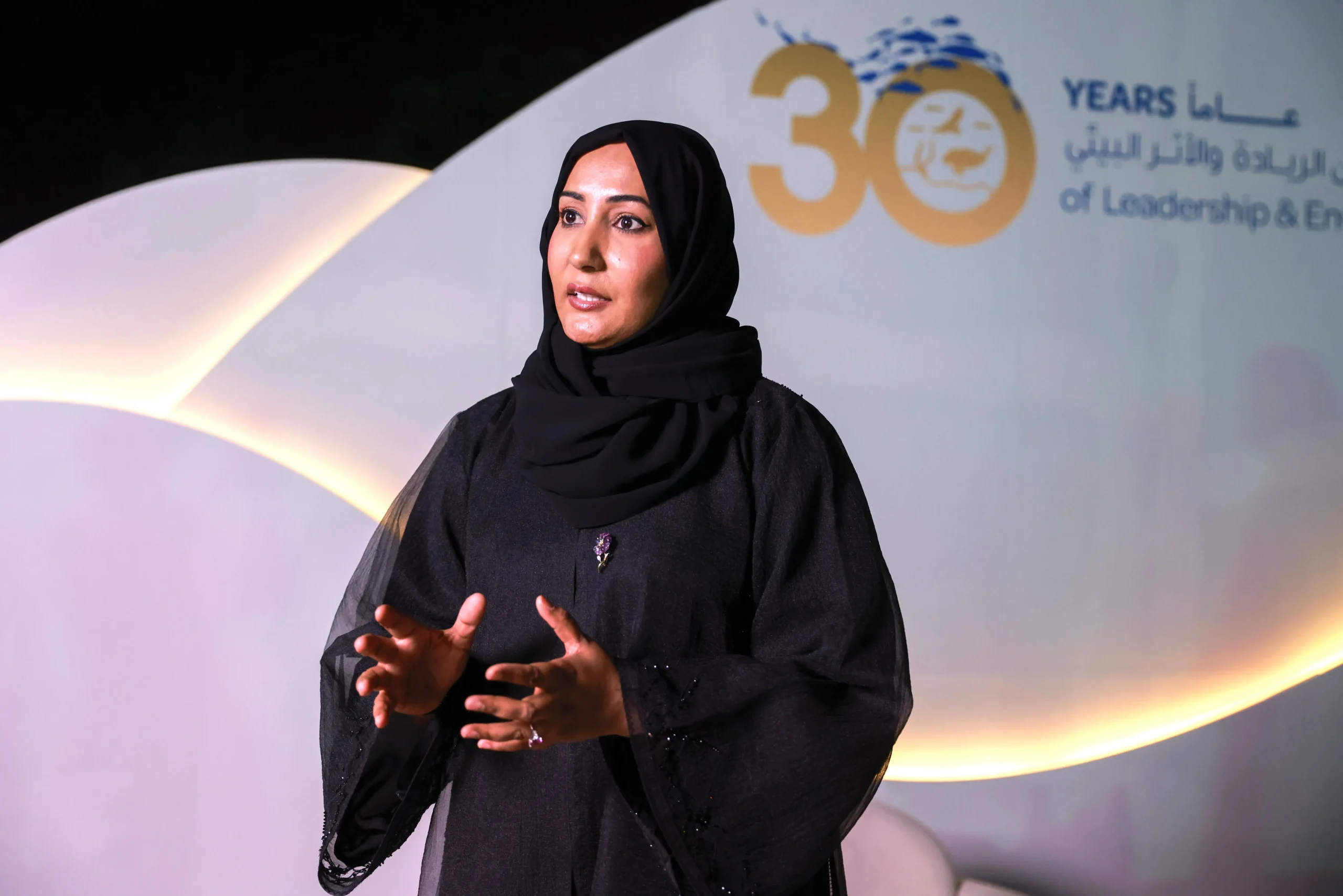
Abu Dhabi’s environmental authorities say the emirate was prepared to protect its natural resources during the Iran war, which placed pressure on several parts of the Gulf region. Dr Shaikha Al Dhaheri, secretary general of the Environment Agency Abu Dhabi, said the agency had plans in place before the conflict began. She said the experience showed why early planning, trained staff and strong response systems are important when serious threats arise. The agency is now using the lessons from that period to improve its ability to deal with future risks.
The conflict created concerns about damage to land and sea areas across the region. Missile and drone attacks affected the UAE and other Gulf states. There were also fears that strikes on ships, ports, energy sites and refineries could harm the marine environment. Oil spills can be especially dangerous because they may affect beaches, fish, birds and other forms of sea life. The risks became clear in October when an oil spill linked to a suspected drone attack on a supertanker in the Arabian Gulf led to a major clean-up response. Beaches were closed and fishing activity was halted in parts of the Emirates while teams worked to address the problem.
Dr Al Dhaheri said the agency had mapped risks and prepared action plans before the war began. She said its staff and systems were ready to respond to different types of environmental emergencies. The agency had also worked to build systems that could help predict possible threats. This planning was important because environmental damage can spread quickly and may take a long time to repair. A fast response can help limit the impact and protect people who depend on clean water, safe beaches and healthy natural areas.
The Environment Agency Abu Dhabi has spent years working to protect the emirate’s wildlife and natural resources. Its work includes protecting marine life, restoring habitats and supporting sustainable fishing. The agency said Abu Dhabi’s sustainable fishing index had risen from 8 per cent to 100 per cent over the past eight years. It has also planted more than 75 million mangroves across the emirate. These trees play an important role in coastal protection and provide habitats for many forms of wildlife. The agency has also maintained 20 per cent of marine and land areas as protected zones.
Maitha Al Hameli, acting executive director of territorial and marine biodiversity at the agency, said the past year had tested its programmes and systems. She said the agency had been able to use its work to respond to difficult conditions. The experience also showed that environmental protection needs to be flexible. Risks can change, and plans must be ready to respond to new problems. Staff training, clear duties and strong links between government teams can all help improve the response.
Abu Dhabi is also working to improve the quality of life for people who live in the emirate. The next phase of its Liveability Strategy has received Dh42 billion from the Abu Dhabi Executive Council. Environmental protection is expected to play a major role in this plan. The agency wants to focus on climate change, air quality and the ability of the city to deal with extreme weather. These issues affect public health as well as the natural world. Clean air and safe outdoor spaces are important for residents of all ages.
The agency has also set out a long-term plan for 2026 to 2030. It includes the use of science, innovation and advanced technology to improve environmental work. The plan has nine main priorities and 170 targets. These goals are designed to help the emirate monitor risks and protect its natural resources over time. The agency says its future work will focus on making Abu Dhabi more resilient while allowing nature and the economy to grow together.
The lessons from the conflict have placed a stronger focus on preparation. Environmental threats do not always give authorities much time to act. Abu Dhabi’s experience shows why planning, trained teams and strong monitoring systems matter. The agency now faces the task of keeping those systems ready while continuing its work to protect wildlife, coastlines and public health.

