


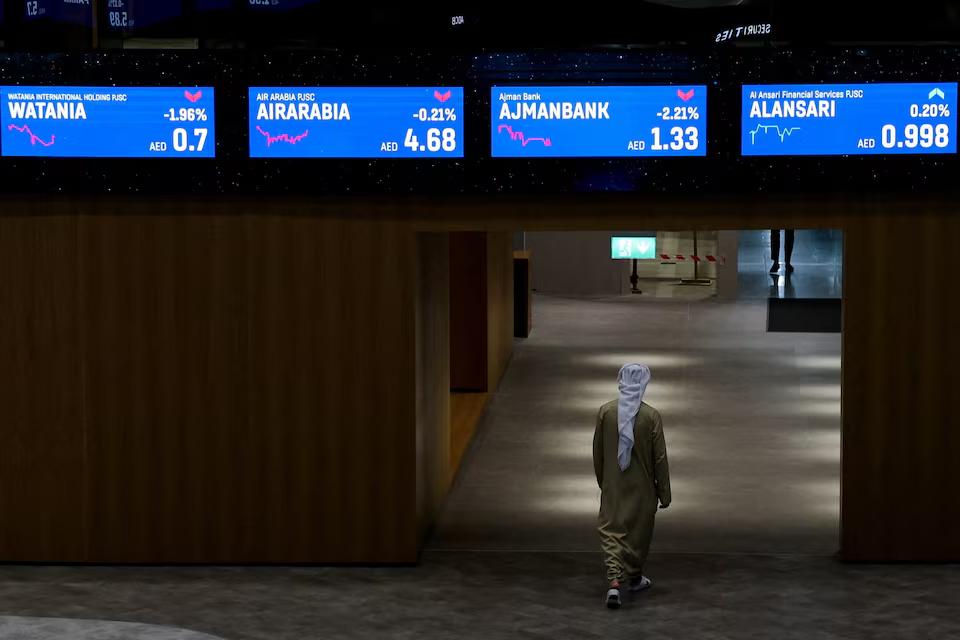
Gulf stock markets showed steady strength on Monday. Investors reacted to growing hopes of calm in Middle East tensions. This improved overall risk mood across the region. Abu Dhabi and other Gulf exchanges saw steady buying interest. Traders focused on stability signals from recent diplomatic discussions. The sentiment helped support prices in key sectors like banking and energy.
Regional markets have been sensitive to political news in recent months. Any sign of reduced tension tends to lift investor confidence. Analysts say markets in the Gulf respond quickly to changes in global risk perception. When tensions ease, capital tends to flow back into equities. This pattern was visible again as optimism grew about possible diplomatic progress.
Investor sentiment improved as discussions of peace efforts in the region gained attention. While details remain limited, even early signals of dialogue can support financial markets. Many investors prefer to reduce risk during conflict concerns. When stability expectations rise, they re-enter equity positions. This shift helped Gulf indices maintain positive momentum.
Abu Dhabi’s stock market benefited from this wider trend. Buying activity increased in large listed companies. Banking shares and energy-related stocks were among the main contributors. The market remained stable with moderate gains through the trading session. Market participants described trading as calm and steady rather than volatile.
Oil price stability also supported sentiment in the region. Gulf economies are closely linked to energy markets. When oil prices remain stable, it helps corporate earnings outlooks. This often supports stock valuations across regional exchanges. Combined with easing geopolitical concerns, this created a supportive environment for equities.
Other Gulf markets also showed similar movement. Exchanges in the region tracked positive global cues. Investors followed both local developments and international market trends. Global equity stability added to the positive tone. However, analysts still noted that caution remains due to ongoing uncertainties.
Market experts say that sentiment-driven moves are common in Gulf equities. Political developments often influence short-term trading direction. Long-term trends depend more on economic growth, diversification, and corporate earnings. Abu Dhabi has been working to expand its non-oil sectors. This long-term strategy continues to attract foreign investment interest.
Financial analysts also highlight the importance of liquidity in supporting market gains. When confidence improves, trading volumes usually increase. This helps improve price discovery and market depth. In recent sessions, volumes have shown moderate improvement across key sectors.
Despite the positive trend, investors remain alert. Any setback in diplomatic progress could quickly affect sentiment. Global inflation trends and interest rate expectations also play a role. These factors continue to influence investment decisions in Gulf markets.
Foreign investors also played a role in supporting the market. When regional risk perception improves, international funds often increase exposure to Gulf equities. Abu Dhabi has been promoting itself as a stable investment hub. This reputation helps attract long-term capital. Institutional investors often look for stability, diversification, and steady returns. These factors supported recent buying activity.
Risk management strategies also influenced trading behavior. Some investors used hedging tools to reduce exposure during uncertain times. As optimism increased, some of these positions were reduced. This led to gradual reallocation into equities. Such shifts are common when market sentiment improves.
Retail investors in the region also showed more activity. Positive news often encourages smaller investors to participate in the market. Social media and financial platforms have increased access to market information. This has helped improve participation rates in recent years.
Market outlook remains tied to both regional peace efforts and global economic signals. Investors will continue to monitor inflation data, interest rates, and energy price movements. Any clear improvement in diplomatic relations could further support gains in Abu Dhabi and wider Gulf markets. However, uncertainty means volatility can return quickly.
Overall, the latest session reflected cautious optimism. Abu Dhabi market gains were supported by regional peace hopes and stable economic conditions. Investors will continue to watch political developments closely. Future market direction will likely depend on both global and regional signals.

