


Abu Dhabi is speeding up its clean energy plans by working more closely with China. The move shows a major shift in how the emirate is building its future energy system. Leaders say they want faster progress in solar power, electric vehicles, and smart technology.
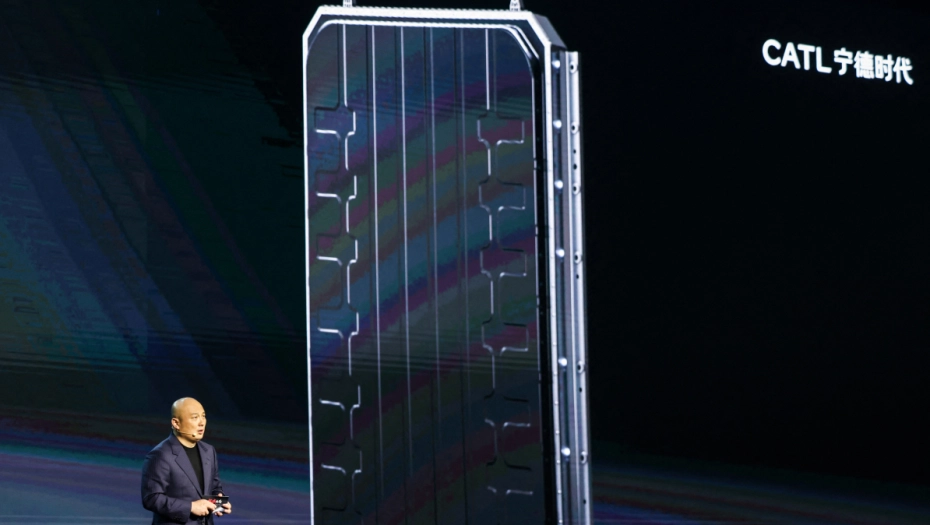
Abdulla Humaid Al Jarwan, chairman of the Abu Dhabi Department of Energy, recently visited Shanghai. After the trip, he confirmed talks with 22 Chinese companies. One of them is CATL, the world’s largest electric vehicle battery maker. He said what he saw in China was “amazing” and said Chinese firms are ready to deliver solutions that match Abu Dhabi’s goals.
Abu Dhabi is one of the key oil-producing regions in the world. For decades, its economy has depended on fossil fuels. But the government now wants to change that. It is working to build a strong clean energy base that can support the country for the long term.
The emirate has set a clear target. It wants clean energy to make up 50% of total power generation by 2030. This is a big goal and needs fast development of new systems. Officials say this is why global partnerships are important, especially with countries that already lead in clean technology.
China has become a major partner in this shift. Over the past decade, it has built a strong lead in solar power, wind energy, batteries, and electric transport. Chinese companies can produce large amounts of equipment at lower cost and high speed. This makes them attractive partners for countries trying to expand clean energy quickly.
Al Jarwan said Abu Dhabi will support Chinese firms with clear policies and strong logistics. He explained that the goal is to move projects from planning to real construction faster. He also said energy demand in the region is rising, so speed is very important.
The cooperation is not limited to energy production. Abu Dhabi is also exploring Chinese expertise in electric vehicles, robotics, water systems, and advanced infrastructure. Officials say these areas are all linked to building a modern, low-carbon economy.
A key focus is energy storage systems. These systems help store power from solar and wind sources for later use. Companies like CATL play a major role in this field. Their technology is used in electric cars and large power grids around the world.
Abu Dhabi’s recent visit to China also included talks on innovation and infrastructure. Officials discussed how new ideas can be turned into real projects. The aim is not only to invest in technology but also to make sure it works in daily life, from energy supply to transport systems.
The relationship between Abu Dhabi and China is already strong. One major project is JOCIC Park, where around 40 Chinese companies have invested more than 10 billion dollars. These investments focus on energy equipment and advanced manufacturing inside Abu Dhabi.
Future cooperation is expected to grow in areas such as advanced materials, new energy systems, and information technology. These sectors match Abu Dhabi’s long-term plan to reduce its dependence on oil and build a more diverse economy.
Recent global tensions have also increased urgency. The conflict in Iran has affected oil supply routes and raised concerns about energy security. This has pushed many countries, including the UAE, to rethink how they produce and use energy.
For Abu Dhabi, clean energy is now both an environmental goal and a strategic need. Officials say relying only on oil is no longer safe in a changing global market. They want a system that is stable, modern, and less exposed to global shocks.
China’s leadership in clean energy makes it a natural partner in this transition. Its companies can supply large-scale technology that helps build solar farms, storage systems, and smart grids faster than many other suppliers.
As talks continue with Chinese companies, Abu Dhabi is moving closer to a future powered by a mix of oil and clean energy. The focus is clear: build faster, invest smarter, and prepare for a world where energy systems must be flexible and sustainable.

