


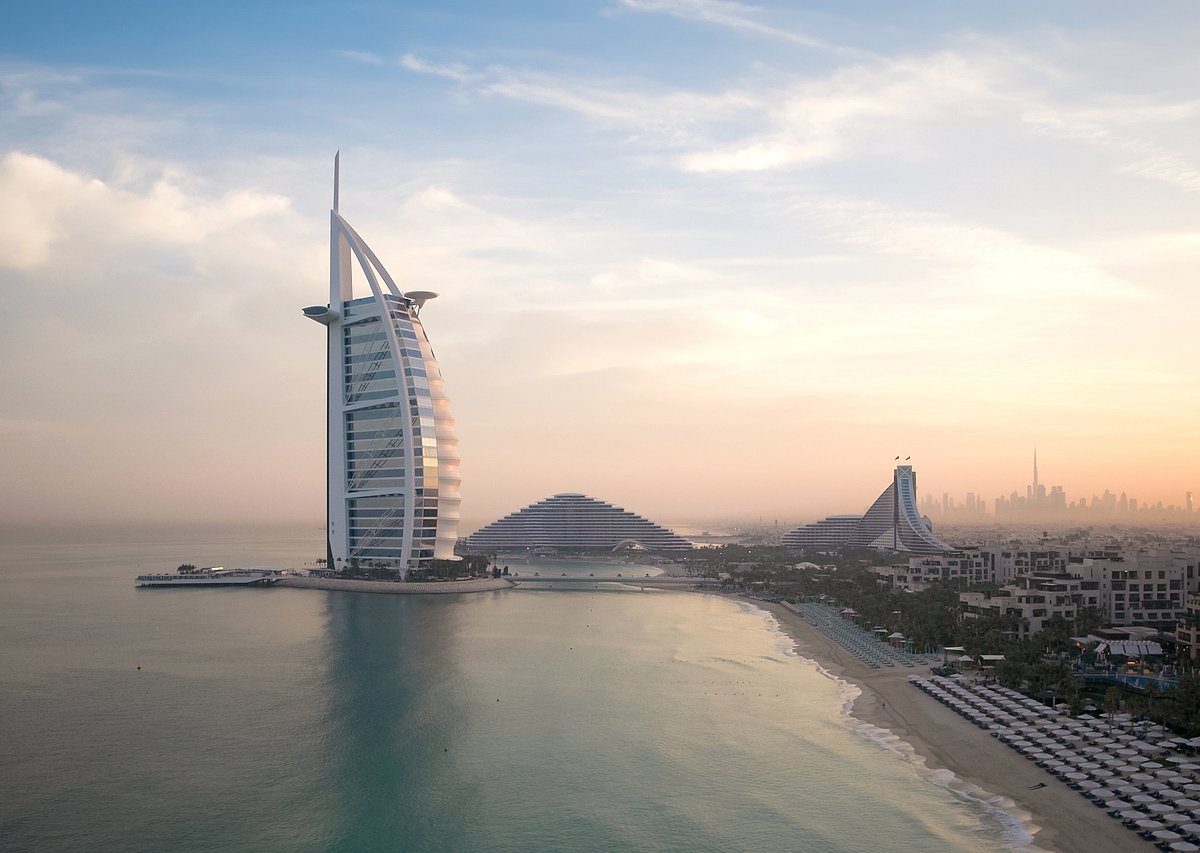
Dubai’s legendary Burj Al Arab, a global symbol of luxury and architectural ambition, is embarking on its first major restoration in over 25 years. This significant undertaking, confirmed by Jumeirah Group, marks a new chapter for the dhow sail-shaped hotel, aiming to preserve its enduring legacy for future generations. The phased refurbishment, led by acclaimed French interior architect Tristan Auer, is expected to last around 18 months, during which the property will be temporarily closed. CEO Thomas B. Meier emphasizes this is more than an upgrade; it’s about reinforcing an icon of craftsmanship and continuous excellence, ensuring its timeless appeal at the pinnacle of global hospitality.
Since its grand opening in December 1999, Burj Al Arab has been inseparable from Dubai’s identity, instantly propelling the emirate onto the international tourism stage. Designed by British architect Tom Wright to be Dubai’s national symbol, much like the Sydney Opera House for Australia, its 321-meter height and distinctive sail-like silhouette, inspired by traditional Arabian dhows, are globally recognizable. Built on a man-made island 280 metres offshore, the hotel quickly earned its unofficial “seven-star” status from journalists impressed by its unparalleled opulence, featuring lavish 24-carat gold leaf, rare marble finishes, and towering atriums that solidified its mythic reputation.
Breaking conventional hotel norms, Burj Al Arab offers 198 duplex suites, each providing panoramic Arabian Gulf views, transforming hospitality into a theatrical experience. Beyond its luxurious interiors, the hotel’s legendary helipad has become a stage for extraordinary global spectacles. From golf legend Tiger Woods teeing off and tennis icons Roger Federer and Andre Agassi playing an exhibition match, to Formula One car stunts and extreme sports showcases, these events have continuously reinforced its image as a venue for the remarkable. Even today, its New Year’s Eve celebrations, including spectacular drone shows, continue to capture global attention, showcasing its ongoing reinvention and allure. The hotel’s acclaimed restaurants, such as Al Muntaha and Al Mahara, are destinations in their own right, further contributing to its aspirational appeal.
The restoration reaffirms Burj Al Arab’s pivotal role in shaping Dubai’s global image. Before its opening, Dubai was primarily a trading hub; the hotel single-handedly put the city on the map as a synonym for aspirational luxury travel. It attracted ultra-high-net-worth individuals, established Jumeirah as an international hospitality brand, and marked a critical turning point in Dubai’s economic diversification into tourism. As it undergoes this comprehensive facelift, the project is not just an investment in a building but in preserving a legacy that continues to define luxury, innovation, and Dubai’s unwavering ambition on the world stage, ensuring its iconic status for generations to come.

