


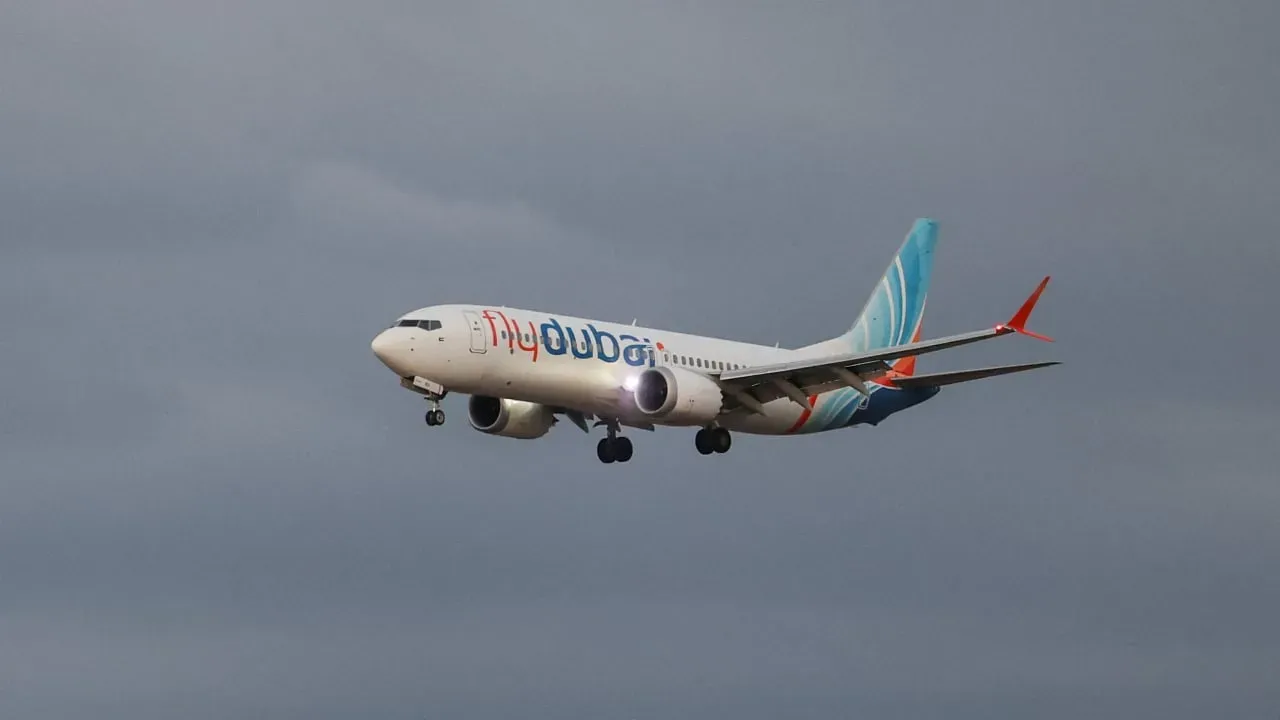
A diplomatic dispute has emerged between the United Arab Emirates and Israel following the ongoing investigation into the Flydubai flight incident that forced an emergency landing in Saudi Arabia earlier this week.
Sources close to the UAE criticized Israeli references to possible flights from the Emirates as “rescue flights,” arguing that the description creates a false impression about safety conditions in the Gulf nation. The comments came as both countries continue to investigate the attack aboard Flydubai flight FZ1073, which was traveling from Dubai to Tel Aviv.
According to the UAE source, the Emirates agreed to every Israeli request for additional security measures after the incident. The source also said Flydubai offered to continue flights to Israel under revised operating procedures similar to those used by other carriers serving the route.
The source argued that describing flights from the UAE as rescue operations was inaccurate because the country remains safe for travelers and residents. The comments reflected growing frustration within Emirati circles over how the situation has been presented publicly.
An Israeli official responded by saying the return of Israeli citizens from the UAE had never been formally described by the government as a rescue mission. The official added that Israelis in the UAE were not stranded and did not require evacuation.
The disagreement follows a dramatic incident on Sept. 30 involving Flydubai flight FZ1073. Investigators say the aircraft’s Omani co-pilot allegedly attacked the captain during the flight and attempted to take control of the plane. Passengers and crew members intervened, while a reserve pilot traveling on the aircraft helped land the plane safely in Tabuk, Saudi Arabia.
Authorities later detained the co-pilot before transferring him to the UAE, where a formal investigation is now underway. Israeli investigators are expected to participate alongside Emirati officials as they examine the suspect’s background, motives, and possible connections to others.
The UAE has launched its own inquiry to determine whether the incident was linked to terrorism, involved advance planning, or was directed by another party. Officials have stressed that investigators are still working to establish the facts.
On Friday, UAE presidential diplomatic adviser Anwar Gargash described the cockpit attack as a “dangerous terrorist act.” He praised Captain Smit Machchhar for helping prevent what could have become a major aviation disaster.
Israeli Prime Minister Benjamin Netanyahu has also spoken about the incident, calling it an extremely serious security event. He said investigations would examine whether the suspect acted alone or received support from others, while cautioning that final conclusions had not yet been reached.
The event has attracted international attention because of the serious security questions it raises. Aviation experts have pointed to the incident as a reminder that threats can come from inside the cockpit as well as from outside actors. Investigators from several countries are reviewing how the attack occurred and whether security procedures need to be strengthened.
The incident also comes during a sensitive political period in Israel. Some UAE-linked sources have suggested that political considerations are influencing the handling of the situation, a claim that has added another layer of tension to the public debate.
Meanwhile, Flydubai has said it is cooperating fully with investigators and has urged the public not to draw conclusions before the official inquiry is completed. Airline officials said determining exactly what happened remains the priority.
As investigators continue their work, the Flydubai Flight Investigation remains a major focus for authorities in the UAE, Israel, and Saudi Arabia. Officials hope the inquiry will clarify the motives behind the attack and help prevent similar incidents in the future.

