


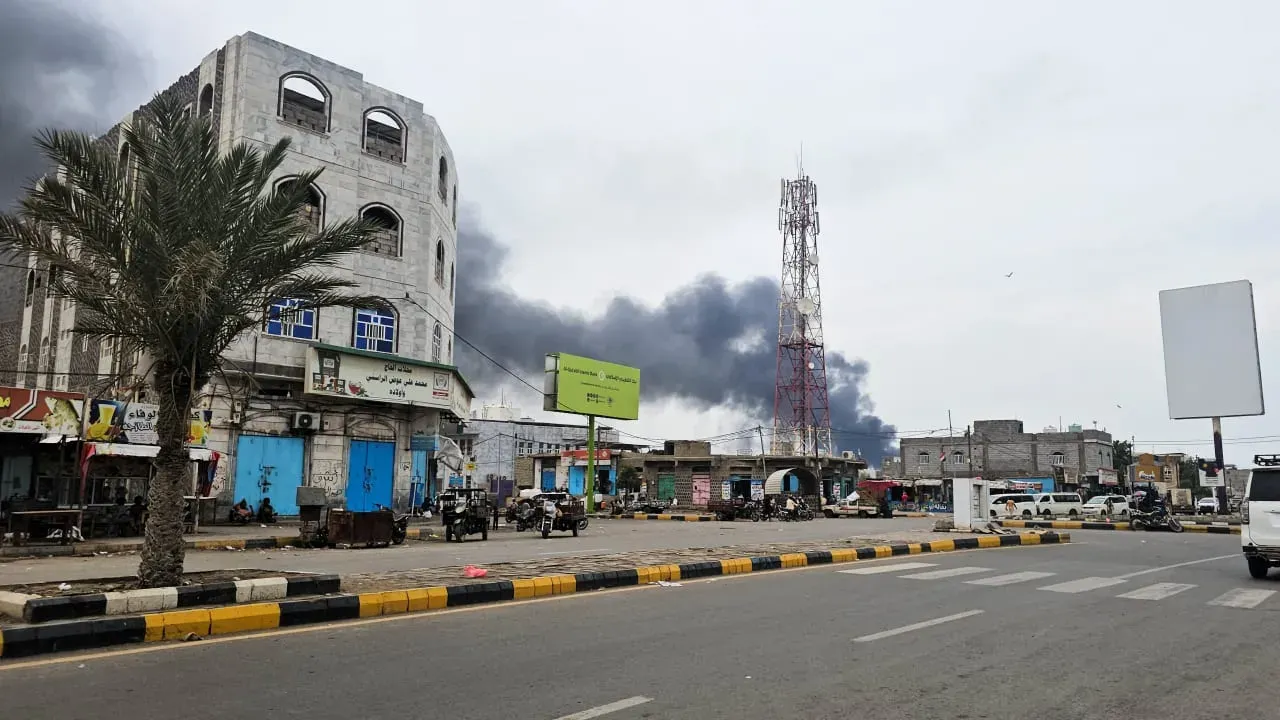
Two high-level diplomatic meetings held within a day of each other have renewed attention on the Gulf region as leaders respond to growing security challenges across the Middle East.
Israeli Prime Minister Benjamin Netanyahu traveled to Abu Dhabi on September 27 for an unannounced meeting with United Arab Emirates President Sheikh Mohamed bin Zayed Al Nahyan. One day later, Saudi Foreign Minister Prince Faisal bin Farhan arrived in Washington for talks with US Secretary of State Marco Rubio.
The timing of the meetings has fueled discussion about whether regional governments are preparing for a broader security crisis. Ongoing tensions involving Iran, renewed fighting in Yemen, and growing concerns over maritime security have increased uncertainty across the region.
Despite the close timing of the visits, analysts say there is no public evidence that the meetings were part of a coordinated military strategy. Instead, they appear to reflect separate but related efforts by regional leaders to address overlapping security concerns.
Experts note that Israel, the UAE, and Saudi Arabia face many of the same challenges. These include threats to shipping routes, concerns about regional instability, and the impact of conflicts stretching from the Gulf to the Red Sea.
Security analyst Cyril Widdershoven said recent diplomatic activity should not automatically be viewed as proof of a joint military operation. He argued that governments are increasing communication and preparing for possible escalation while also seeking ways to prevent wider conflict.
According to Widdershoven, the Gulf region is becoming more closely connected to developments in Yemen, the Strait of Hormuz, and the Horn of Africa. These areas play important roles in energy exports, trade routes, and military access.
He said each conflict still has its own local causes, but growing links between different regions are creating a more complex security environment.
One area attracting increasing attention is the Horn of Africa. Tensions between Ethiopia and Eritrea have raised concerns among regional observers who fear another source of instability near key maritime routes.
Analysts say developments in East Africa could influence security conditions in the Red Sea and Gulf regions, adding another layer to an already complicated regional landscape.
Much of the discussion between Netanyahu and Sheikh Mohamed remains unknown because neither side released detailed information about the meeting. Officials confirmed that the talks took place, but few details have been made public.
The visit also came amid political debate inside Israel. Reports surrounding events before the October 7, 2023 Hamas attack have generated public discussion and added another dimension to the significance of Netanyahu’s trip.
Observers caution against drawing broad conclusions from the meeting without more information. While regional security issues were likely discussed, analysts say there is currently no evidence that the talks resulted in plans for military action against Iran or Yemen’s Houthi movement.
Former Israeli National Security Council head Giora Eiland said Israel and the UAE continue to share similar concerns regarding regional security. He noted that both countries remain focused on Iran and support continued pressure aimed at limiting Tehran’s regional influence.
Eiland said the relationship between Israel and the UAE has expanded significantly since the Abraham Accords. Cooperation has included defense technology, security coordination, and other strategic initiatives.
While the Abu Dhabi meeting remains open to interpretation, Saudi Arabia’s discussions in Washington appear more directly linked to current security concerns.
Prince Faisal’s visit comes after weeks of rising tensions involving Yemen’s Houthi movement. Recent reports indicated that Saudi Arabia sought additional American support in addressing threats linked to the group.
According to reports, Washington declined direct military involvement but agreed to continue providing intelligence and other forms of security assistance. The issue is expected to remain an important topic in discussions between Saudi and US officials.
Analysts say the Washington meeting highlights the close security relationship between Riyadh and the United States. It also reflects ongoing efforts to address threats affecting regional stability and international shipping routes.
The broader picture suggests that governments across the Middle East are increasing diplomatic engagement as security challenges evolve. Regional leaders appear focused on managing risks while maintaining cooperation with key partners.
The Gulf security diplomacy seen this week illustrates how closely linked regional issues have become. From Yemen and Iran to the Red Sea and the Horn of Africa, developments in one area increasingly influence security calculations across the wider Middle East. As tensions continue, diplomacy is likely to remain a central tool for regional governments seeking to balance deterrence, stability, and strategic cooperation.

