


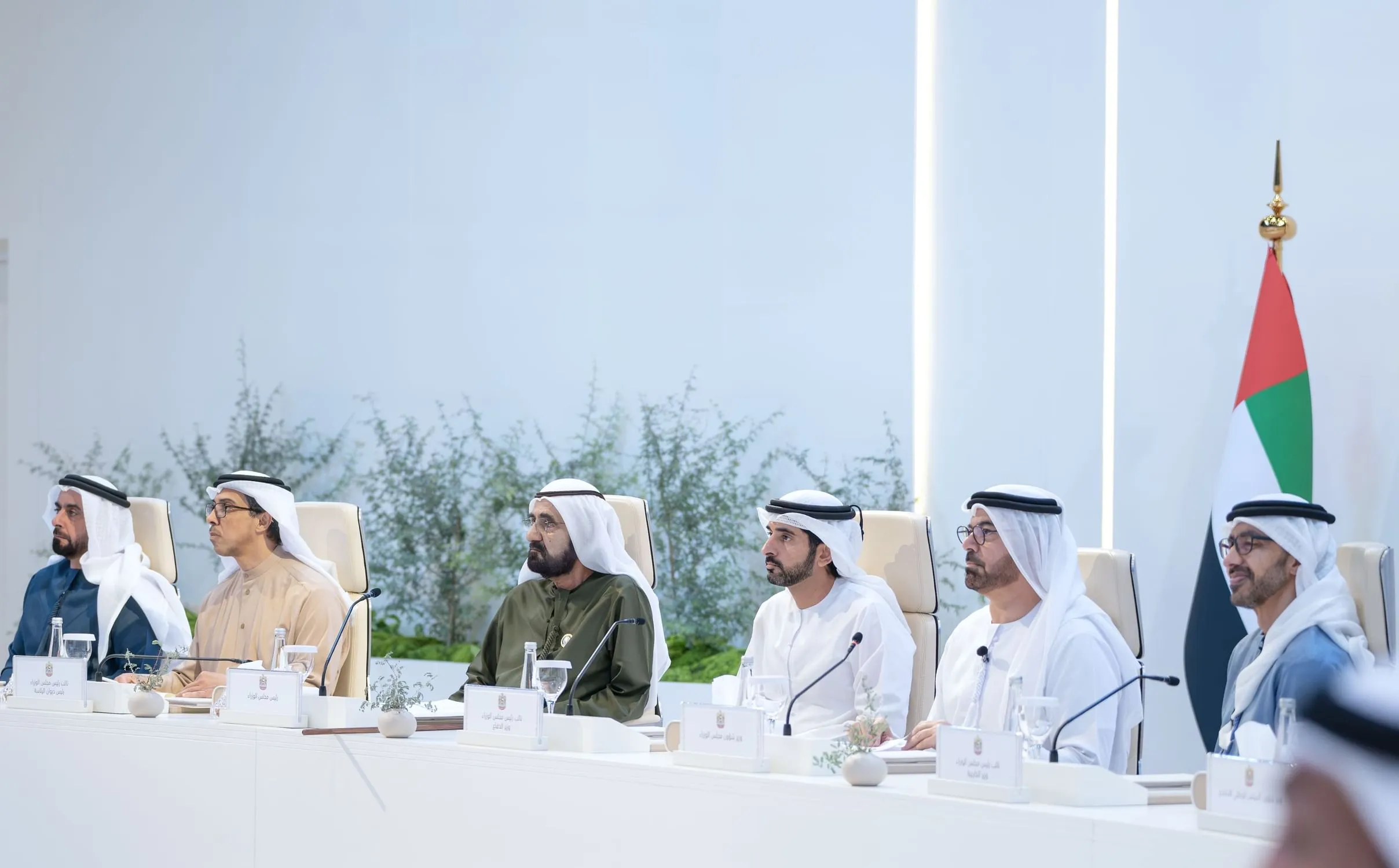
The United Arab Emirates Cabinet has approved a major plan to introduce artificial intelligence into government services, including a new digital assistant designed to make public services easier to access. The meeting was chaired by Sheikh Mohammed bin Rashid Al Maktoum, Vice President, Prime Minister and Ruler of Dubai. The Cabinet reviewed the development of the government concierge agent, Mira, and directed federal departments to prepare for its introduction. The system is expected to become available to users of UAE government services from March 2027.
Mira is intended to allow people to communicate with government services using their own languages and everyday expressions. Instead of having to understand complicated procedures or search through several government websites, users will be able to explain what they need and receive assistance through the digital platform. The Cabinet has instructed federal entities to connect their services to Mira according to an approved timetable. Executive teams will also be established to accelerate the work and coordinate its implementation across government departments.
The Cabinet also approved the country’s first comprehensive government strategy for Agentic AI and a national technology platform known as FedAI. The strategy aims to redesign government operations around artificial intelligence while maintaining secure national infrastructure. Its targets include introducing Agentic AI into 50 per cent of government operations, services and procedures, as well as training 80,000 federal employees. The plan also seeks to ensure that at least 90 per cent of the relevant AI systems operate through secure government infrastructure.
Alongside the technology plans, the Cabinet reviewed the National Investment Strategy and approved policies relating to young people and children’s cultural development. The UAE reported foreign direct investment inflows of AED177 billion in 2025, placing it among the world’s leading destinations for international investment. The Cabinet also approved the National Youth Policy and the National Charter for Children’s Culture. Together, the decisions reflect an effort to connect digital development, public services, investment and social policy as the country prepares for its next stage of growth.

