


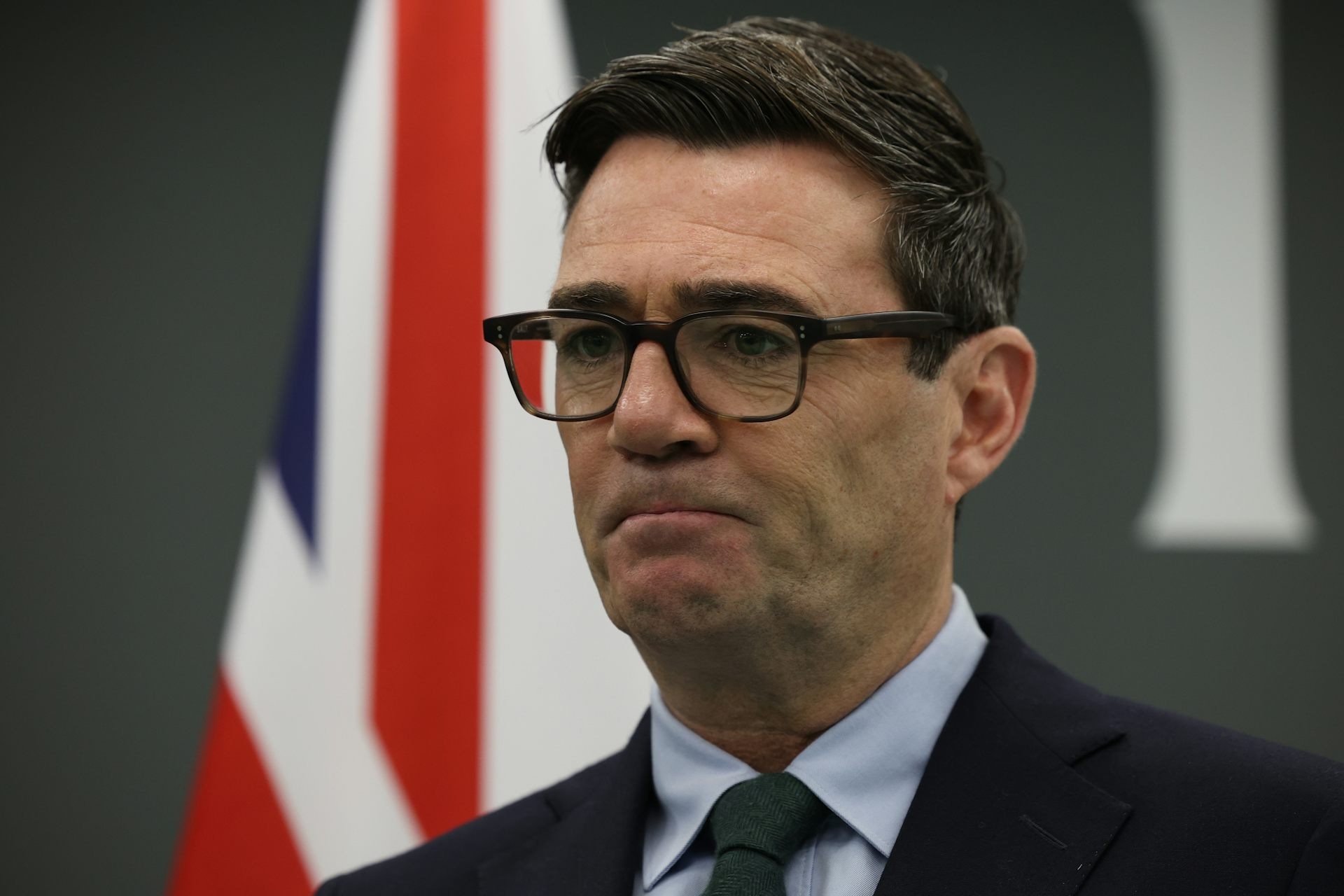
Manchester City’s financial misconduct case has grown beyond football. The dispute is now raising questions about relations between the United Kingdom and the United Arab Emirates. It has also drawn attention to British Prime Minister Andy Burnham and his links to people connected with the club.
An independent commission recently upheld 114 of 115 charges against Manchester City. The charges relate to financial reporting between 2009 and 2018. The club denies wrongdoing and has appealed the decision. The Premier League has not yet announced any punishment.
The case now presents a wider challenge for football authorities. They must decide whether sporting rules can be enforced fairly when a ruling may affect major business and political ties.
Manchester City is owned by Abu Dhabi United Group, an investment vehicle controlled by Sheikh Mansour bin Zayed Al Nahyan, a senior figure in the UAE leadership. The club’s ownership has brought its financial arrangements under close scrutiny.
The commission found that funding linked to the owner was reported as commercial sponsorship income during the period under review. Between 2009 and 2018, City won several major trophies, including three Premier League titles.
The commission also found that some sponsorship arrangements did not reflect the true source of the money. Its findings suggested that much of the reported income came directly from the owner’s investment group rather than from independent commercial sponsors.
The case concerns the difference between genuine business revenue and money supplied by a club’s owner. Football rules treat these sources differently because owner funding is subject to specific limits and reporting requirements.
The allegations state that Manchester City overstated revenue and understated costs by more than £900 million. If confirmed through the full legal and appeals process, such conduct could have helped the club spend more on players while avoiding financial limits imposed by the league.
However, the club rejects the charges and is challenging the commission’s decision. The final outcome will depend on the appeal and any further rulings. The Premier League has yet to set out what sanctions, if any, may follow.
The commission’s decision has also created questions about the role of businesses linked to the UAE. State-linked companies, private investors and political leaders can have overlapping interests. Yet these connections do not automatically mean they are legally the same or that every business deal is improper.
The distinction is important in a case involving an international football club with a wealthy overseas owner. Regulators must assess the evidence and apply their rules to the arrangements under review, rather than assume wrongdoing based on ownership alone.
The commission’s published decision also redacted the names of some sponsors. Etihad Airways, Manchester City’s main shirt sponsor, has rejected any suggestion that its arrangements with the club were improper. The airline has also considered legal action over the implications of the findings.
The controversy has attracted wider political attention because Manchester City is linked to influential business and political figures in Abu Dhabi. The case has become a test of how the UK manages its sporting regulations while maintaining economic and diplomatic relations with the UAE.
The involvement of Andy Burnham has added another political dimension. Reports have raised questions about meetings and dinners involving people connected to Manchester City. The issue has increased scrutiny of whether political figures should be involved in matters linked to a club facing serious regulatory allegations.
Still, the financial case and the political questions are separate issues. The commission’s findings concern Manchester City’s financial reporting and sponsorship arrangements. Any claims about political influence or improper conduct by public officials require their own evidence.
The case also highlights a wider challenge for professional sport. Top clubs often rely on global investment, major sponsors and owners with links to influential institutions. This can make enforcement difficult when financial penalties or sporting sanctions may affect wider relationships.
Football authorities face pressure to maintain consistent standards across the league. If clubs believe that financial rules are not applied fairly, confidence in the competition may suffer. At the same time, sanctions must follow established procedures and take account of the appeal process.
For now, Manchester City continues to deny wrongdoing and contest the ruling. The Premier League has not announced a final penalty. The outcome could have important consequences for the club and may shape future debates about financial regulation, ownership and the independence of sporting institutions.
The central question remains whether football regulators can enforce their rules without being swayed by the political or economic interests surrounding a major club. The appeal process will be a key step in determining how the dispute moves forward.

