


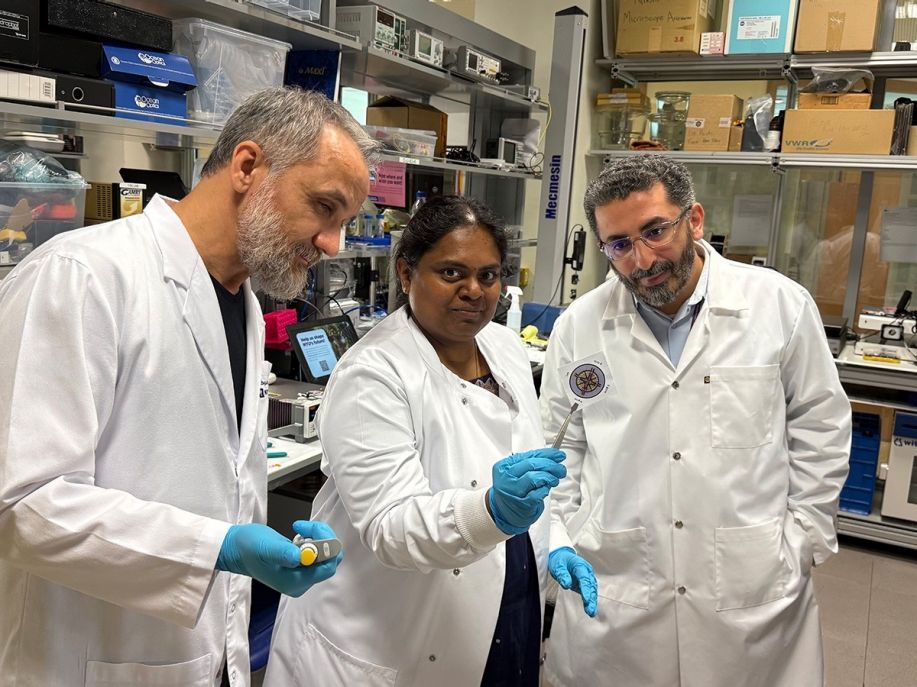
Scientists in the United Arab Emirates have developed a paper-based diagnostic tool designed for rapid disease testing, marking a significant advancement in healthcare technology. Authorities said the innovation demonstrates the country’s commitment to scientific research, technological development, and improving public health. Analysts noted that this new diagnostic method offers faster, more affordable, and accessible testing options for healthcare providers and patients.
The paper-based tool uses advanced chemical and biological processes embedded in a compact, lightweight format. Experts explained that this approach allows for rapid detection of diseases without the need for expensive laboratory equipment. Authorities highlighted that the technology is particularly valuable for remote areas, field testing, and emergency situations where traditional diagnostics may be slow or inaccessible.
Researchers said that the development aligns with the UAE’s vision to become a leader in medical innovation. Authorities emphasized that the tool could help detect a range of diseases, including viral, bacterial, and other infectious conditions. Analysts added that early diagnosis is critical for effective treatment, and paper-based tests provide an efficient solution to support healthcare systems.
The scientists involved in the project highlighted the simplicity and versatility of the tool. It is designed for easy handling and can provide results within minutes, reducing delays in treatment and improving patient outcomes. Authorities explained that the low-cost production of paper-based diagnostics makes it scalable and suitable for mass deployment, both locally and internationally.
Experts noted that the tool can complement existing diagnostic methods, offering a rapid preliminary screening option. Authorities emphasized that healthcare providers can use the tests to quickly identify potential cases, prioritize laboratory testing, and streamline patient care. Analysts said that integrating such innovations into routine healthcare practices can enhance efficiency and reduce overall healthcare costs.
The UAE government has expressed strong support for research and development initiatives in medical technology. Authorities highlighted that investments in healthcare innovation contribute to the country’s broader strategy of advancing scientific knowledge, building research capabilities, and improving population health outcomes. Analysts noted that the paper-based diagnostic tool reflects a growing focus on practical, technology-driven solutions that address real-world healthcare challenges.
Researchers also stressed the environmental benefits of paper-based diagnostics. Unlike traditional plastic-based tests, these tools are biodegradable and reduce medical waste. Authorities added that sustainable healthcare solutions are an important part of the UAE’s strategy to promote eco-friendly innovation across multiple sectors.
The development of the paper-based diagnostic tool has attracted interest from medical institutions, international organizations, and technology companies. Analysts said that such collaboration could accelerate adoption, enhance testing capabilities, and foster further innovations in disease detection. Authorities emphasized that partnerships with global healthcare stakeholders are key to maximizing the tool’s impact.
Overall, the UAE’s scientific community continues to demonstrate leadership in healthcare innovation. Authorities stated that the paper-based diagnostic tool is a testament to the country’s focus on research, technology, and public health improvement. Analysts concluded that rapid, affordable, and accessible diagnostic solutions are crucial for modern healthcare, and the UAE is positioning itself as a hub for innovative medical technologies.
By developing this paper-based diagnostic tool, the UAE sets a benchmark for medical research, technological advancement, and sustainable healthcare practices. Authorities stressed that continued investment in scientific innovation will strengthen the healthcare sector, improve patient outcomes, and enhance the country’s global reputation in medical technology.

