


Abu Dhabi has approved a significant expansion of its liveability strategy, authorizing 42 billion dirhams ($11.4 billion) for new projects designed to enhance the quality of life across the emirate. Officials stated that the additional funding reflects the leadership’s commitment to sustainable urban development, improved infrastructure, and enhanced public services for residents. Analysts noted that this move positions Abu Dhabi as a global model for high-quality urban living and community-focused development.
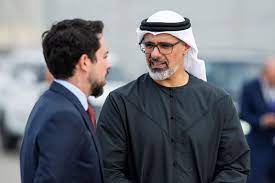
The announcement was made by Crown Prince Sheikh Khaled bin Mohamed bin Zayed, who emphasized that investing in residents’ well-being is a top priority. Authorities said that while specific details of the new projects were not disclosed, the expansion is expected to cover multiple sectors, including healthcare, education, transportation, housing, and environmental initiatives. Experts highlighted that such large-scale investments are critical for ensuring long-term sustainability and meeting the needs of a growing population.
Officials explained that the liveability strategy focuses on creating a safe, comfortable, and inclusive environment for all residents. Analysts said that funding improvements in urban planning, public amenities, and social services helps foster stronger communities and improves daily life for citizens and residents alike. Authorities emphasized that these projects aim to enhance both physical infrastructure and the overall quality of public services.
The additional investment follows the success of the initial liveability strategy, which has already delivered several initiatives to improve healthcare accessibility, expand public spaces, and upgrade transportation networks. Analysts noted that continuous investment in quality-of-life projects is essential to maintain Abu Dhabi’s reputation as a modern, forward-looking city. Authorities stressed that the expansion reflects an ongoing commitment to proactive urban management and long-term planning.
Officials highlighted that improving liveability is not only about infrastructure but also about social well-being. Experts said that projects may include initiatives to promote community engagement, cultural activities, and educational programs, all aimed at creating a more connected and resilient society. Authorities noted that fostering a sense of belonging and well-being among residents is central to the strategy’s objectives.
The expansion of the liveability strategy is expected to have positive economic impacts as well. Analysts said that large-scale projects generate employment opportunities, attract investment, and stimulate business activity. Authorities emphasized that a high standard of living and well-planned urban development are key factors in making Abu Dhabi a desirable destination for both residents and international talent.
Officials also pointed out that sustainability and innovation are likely to play a key role in the upcoming projects. Analysts noted that integrating renewable energy, smart technologies, and environmentally friendly solutions aligns with Abu Dhabi’s broader vision for sustainable urban growth and climate-conscious development. Authorities said that this approach ensures that future projects will not only improve daily life but also protect resources and support long-term environmental goals.
The liveability expansion demonstrates Abu Dhabi’s forward-looking approach to governance and urban management. Authorities stated that the strategy is designed to meet current demands while anticipating future growth and evolving community needs. Analysts concluded that proactive planning and large-scale investment are essential to building a resilient, modern, and highly livable city.
Overall, the Abu Dhabi Liveability Expansion underscores the emirate’s commitment to improving residents’ quality of life. Authorities emphasized that the $11.4 billion funding boost will support a wide range of projects, enhance infrastructure and public services, and ensure Abu Dhabi continues to offer world-class living standards. Analysts said that these efforts strengthen the city’s position as a global hub for sustainable urban development, innovation, and community well-being.

