


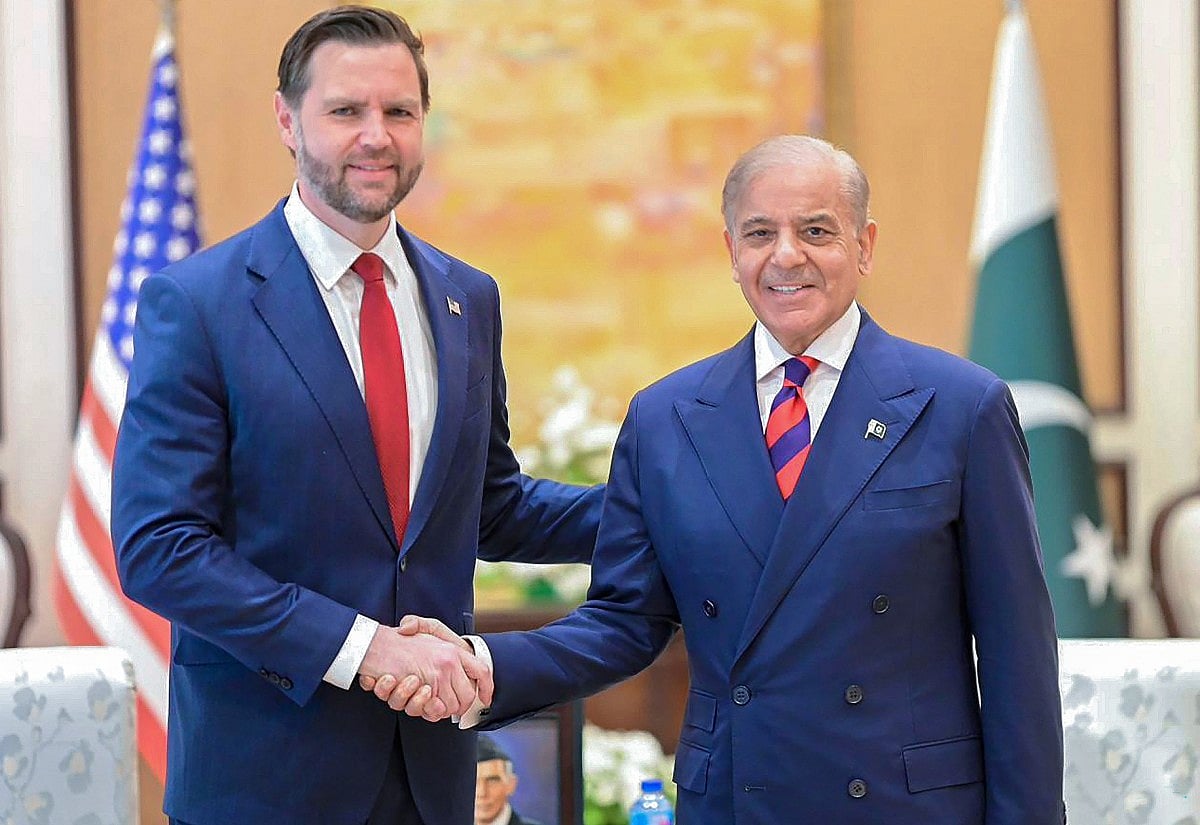
Pakistan has emerged as a pivotal mediator in the ongoing efforts to secure a US-Iran ceasefire, with Prime Minister Muhammad Shehbaz Sharif hosting US Vice President JD Vance for crucial high-level talks in Islamabad. This diplomatic initiative signals the formal commencement of a process aimed at fostering regional stability and resolving escalating tensions. The meeting between PM Sharif and VP Vance sets the stage for intensive discussions, bringing together key stakeholders in a concerted push for peace in the Middle East. Islamabad’s role underscores its commitment to de-escalation and constructive engagement, positioning the nation as a vital facilitator in complex international diplomacy.
The US delegation, comprising Special Envoy Steve Witkoff and Jared Kushner, was met with significant diplomatic courtesy and high-level engagement upon their arrival. Senior Pakistani leadership, including Deputy Prime Minister and Foreign Minister Senator Mohammad Ishaq Dar, Interior Minister Senator Syed Mohsin Raza Naqvi, and notably, Chief of Defence Forces and Chief of Army Staff Field Marshal Syed Asim Munir, personally received the visiting dignitaries. This robust reception reflects the profound importance Pakistan attaches to these discussions and the potential for these talks to reshape regional dynamics. The presence of such senior military and political figures highlights the comprehensive nature of Pakistan’s commitment to facilitating these peace efforts.
During the inaugural session, Prime Minister Shehbaz Sharif lauded both delegations for their constructive approach and expressed profound hope that the Islamabad talks would ultimately pave the way for a durable peace across the region. He reiterated Pakistan’s unwavering commitment to facilitating sustained dialogue and actively supporting diplomatic efforts geared towards achieving long-term regional stability. PM Sharif emphasized Pakistan’s consistent advocacy for de-escalation and cooperative engagement, framing the current discussions as a critical stepping stone towards a comprehensive and lasting resolution to the entrenched tensions that have plagued the Middle East for years. His remarks underscored Pakistan’s belief in diplomatic solutions.
The timing of these high-stakes discussions coincides with related developments underscoring the broader impact of de-escalation efforts. Pakistan recently announced cuts in fuel prices, attributing the move to easing Middle East tensions, signaling positive economic spillover from diplomatic progress. Furthermore, Iran has officially confirmed its participation in the Islamabad peace talks, reinforcing the legitimacy and potential reach of these negotiations. Prime Minister Sharif also provided a crucial update, stating that the US-Iran ceasefire discussions include considerations for Lebanon, broadening the scope of potential stability. These intertwined developments highlight the significant regional implications of the ongoing dialogue in Islamabad and Pakistan’s crucial role in mediating a path to peace.

