


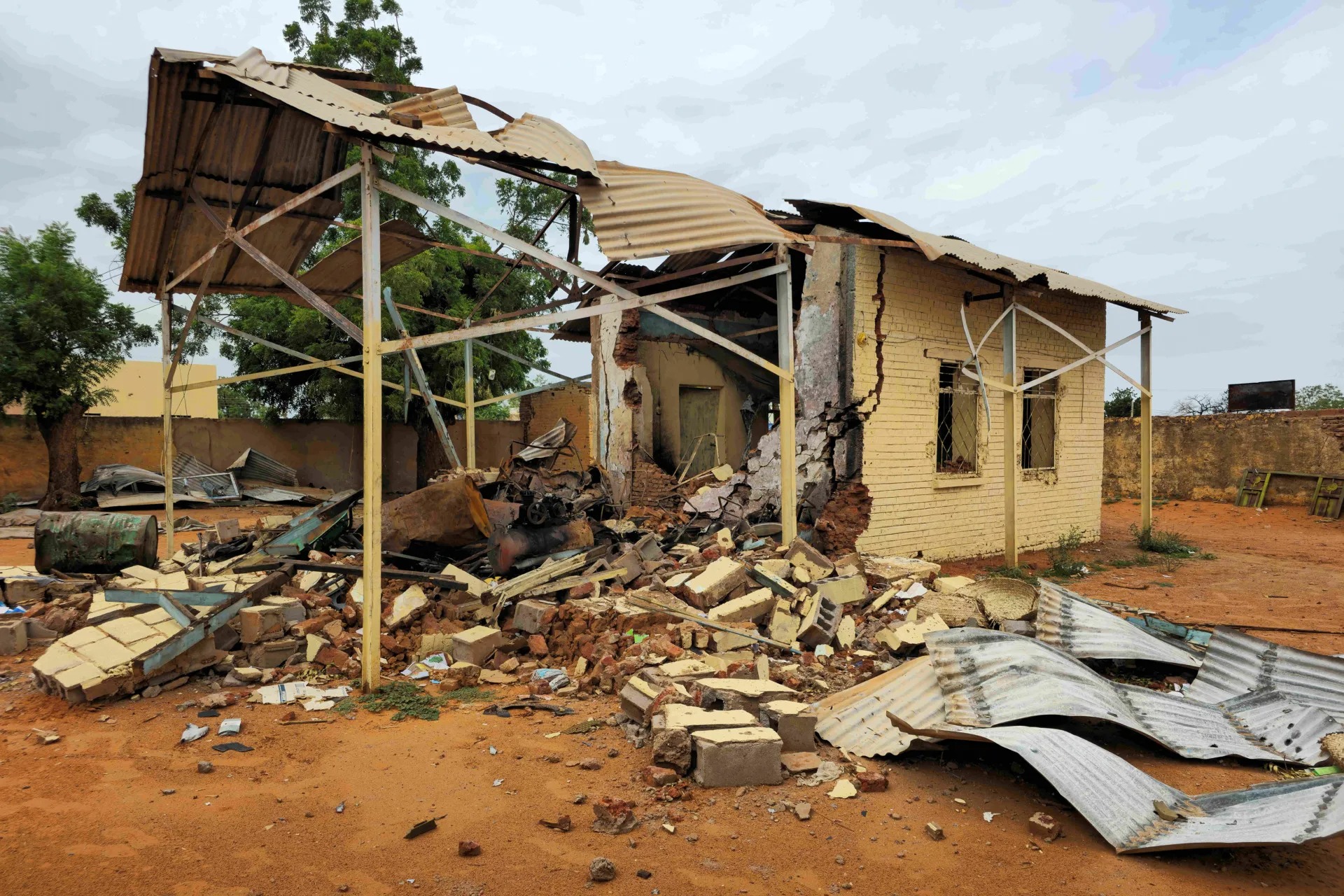
As fighting intensifies in Sudan, growing attention is being directed not only at armed groups on the battlefield but also at foreign governments accused of supporting the conflict.
The war between the Sudanese Armed Forces and the Rapid Support Forces, known as the RSF, has entered another dangerous phase. Recent fighting around the city of El Obeid has raised fears among humanitarian organizations and international observers that civilians could face severe violence if the conflict continues to escalate.
The warnings follow reports from earlier battles in the Darfur region, particularly around El Fasher, where human rights organizations documented widespread abuses against civilians.
Investigators reported allegations of mass killings, targeted attacks on ethnic communities, sexual violence, torture, and other serious violations of international law.
Several international bodies concluded that some of the actions carried out during the conflict may amount to crimes against humanity. Other observers warned that the violence displayed characteristics often associated with genocide.
As concerns grow over civilian safety, questions are also being raised about the role of foreign countries involved in the conflict.
The Sudanese military has received support from several regional partners. At the same time, reports from researchers, analysts, and human rights organizations have pointed to the United Arab Emirates as a significant source of support for the RSF.
According to multiple reports, the RSF has received military equipment, logistical assistance, and other resources that have strengthened its operational capabilities during the conflict.
The allegations have led to debate among legal experts over whether foreign support could create international responsibility under international law.
A central issue is whether actions carried out by the RSF can legally be attributed to a foreign government.
International law generally treats armed groups and governments as separate entities. For a state to be held responsible for the actions of a non-state actor, legal standards require evidence showing a high degree of dependence, control, or direct involvement.
Legal experts often refer to principles contained within the Articles on State Responsibility, a framework widely used to evaluate questions of state accountability.
Under those principles, responsibility may arise if a government exercises effective control over an armed group or if individuals act directly on behalf of a state while committing violations of international law.
Many analysts note that proving such a relationship is difficult.
Publicly available information indicates that the RSF has received external assistance. However, legal specialists argue that financial or military support alone may not be sufficient to establish responsibility for every action carried out by the group.
Instead, stronger evidence would generally be required to demonstrate direct control over specific operations or decisions.
The debate has also expanded to include allegations involving foreign contractors reportedly operating alongside RSF forces.
Human rights organizations have reported that former military personnel from Colombia were involved in various support roles during the conflict. These roles reportedly included training, operational assistance, and technical support.
Some reports have alleged that contractors may have participated in activities that violated international law.
If such violations occurred, legal experts suggest separate questions of responsibility could arise regarding the governments, organizations, or companies involved in their deployment.
Under international law, responsibility may extend beyond direct military forces if private actors are authorized to perform governmental functions or operate under official authority.
As a result, investigators and legal observers continue to examine the nature of relationships between governments, contractors, and armed groups involved in Sudan.
The issue remains highly significant because accountability plays an important role in efforts to prevent future abuses.
International organizations have repeatedly warned that the humanitarian situation in Sudan continues to deteriorate. Millions of civilians have been displaced, while access to food, healthcare, and basic services remains severely limited in many areas.
Humanitarian groups have urged all parties to respect international law and protect civilian populations.
They have also called on countries with influence over armed groups to use that influence to reduce violence and encourage compliance with humanitarian obligations.
As the conflict moves into another critical stage, international attention is increasingly focused on both battlefield developments and the broader network of foreign support surrounding the war.
The Sudan Conflict UAE Role debate is likely to remain an important issue as governments, legal experts, and international organizations continue examining responsibility, accountability, and the protection of civilians amid one of the world’s most serious ongoing humanitarian crises.

