


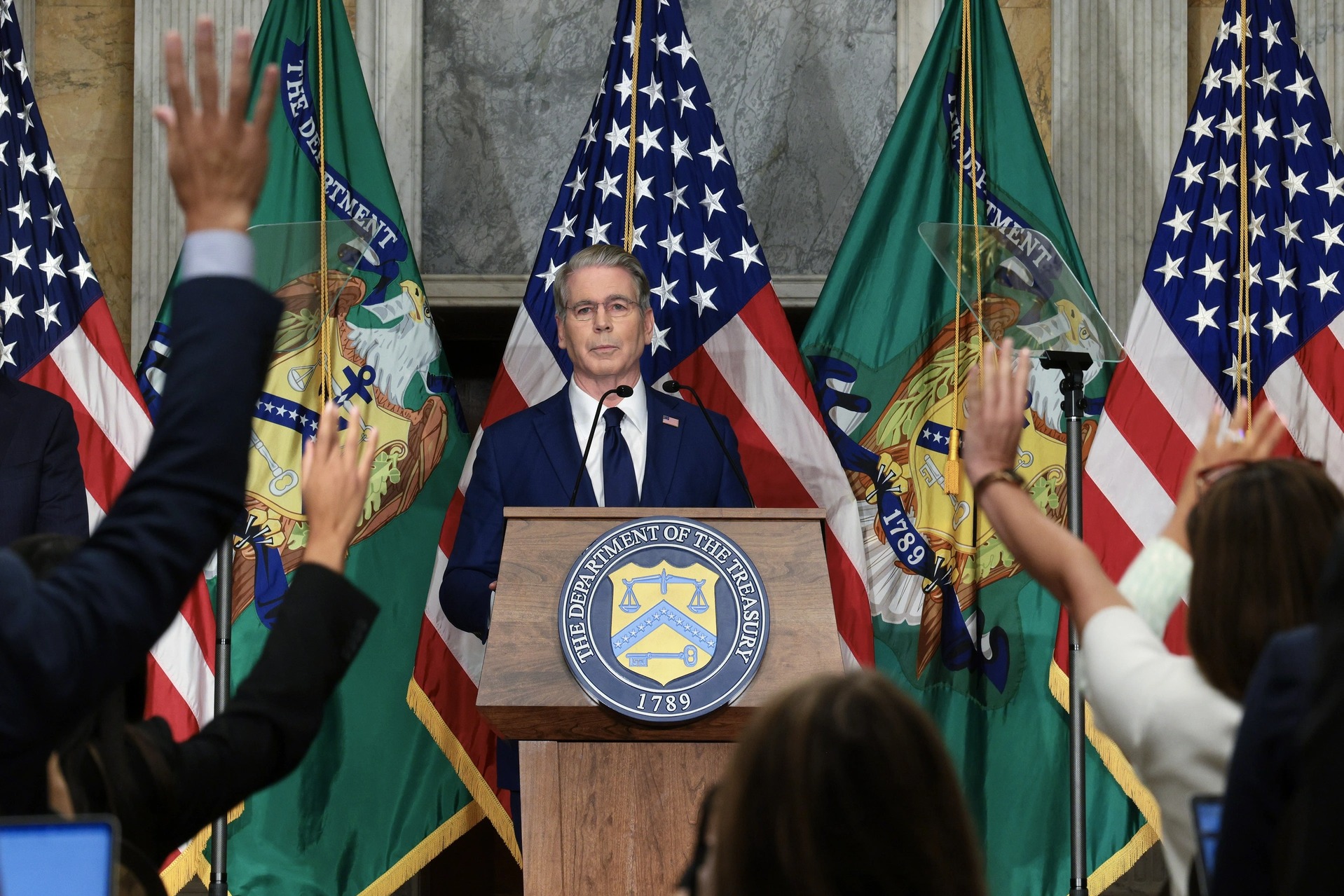
The United States has launched the first public action under its new Iran Sanctions Campaign, targeting banking operations in the United Arab Emirates as part of a broader effort to increase economic pressure on Tehran.
The move was announced by the Treasury Department, which said it plans to restrict access to the U.S. financial system for certain UAE-based banking operations accused of helping Iranian entities conduct financial transactions despite existing sanctions.
Treasury Secretary Scott Bessent said the action is designed to cut off economic channels that continue to support Iran’s financial activities. The administration has made clear that it intends to increase pressure not only on Iran itself but also on foreign institutions and businesses that maintain economic ties with the country.
According to Treasury officials, the latest action focuses on branches located in the United Arab Emirates that are alleged to have facilitated financial activity connected to Iranian interests.
The department announced a proposed rule that would prohibit American financial institutions from processing transactions involving UAE-based branches of Banque Misr, one of Egypt’s largest banks.
Officials allege that the bank’s UAE operations played a significant role in helping Iranian-linked entities gain access to international financial services despite extensive sanctions imposed by the United States.
In a statement, Bessent said that organizations supporting Iran should not expect continued access to the U.S. dollar or the broader global financial system. He described the latest measures as the first step in holding institutions accountable for what the administration views as support for the Iranian government.
The action follows Bessent’s recent announcement of a broader strategy known as Operation Economic Outcast. The initiative is aimed at isolating Iran economically by encouraging foreign governments, banks, and companies to end commercial relationships with Tehran.
Treasury officials said they identified more than 100 companies believed to be linked to Iranian financial activity. According to the department, these entities conducted transactions worth approximately $1.8 billion through accounts associated with Banque Misr’s UAE operations between January 2024 and June 2026.
To support the action, Bessent is using authority granted under Section 311 of the USA PATRIOT Act. The provision allows the Treasury Department to take measures against foreign financial institutions that are considered a significant money laundering concern for the United States.
Before the rule becomes final, Treasury will accept public comments for 30 days. After that review period, the restrictions could formally take effect.
In addition to the proposed banking restrictions, Treasury announced new sanctions against the manager of a Dubai branch connected to Bank Melli, Iran’s largest lender.
The department also sanctioned a company based in Hong Kong that officials claim was used to move funds connected to Iranian financial activities. Authorities allege the company acted as a front operation to help transfer money while avoiding sanctions.
The latest actions come shortly after the United Arab Emirates announced a suspension of trade with Iran. The decision was viewed by many observers as a significant shift in regional economic relations.
Administration officials have suggested that diplomatic and economic pressure from Washington played a role in encouraging stronger measures against Tehran. However, the UAE government has not publicly linked its trade decision directly to U.S. demands.
While the administration has increased pressure on institutions connected to Iran, questions remain about how far the campaign will extend. Some analysts note that China remains Iran’s largest trading partner and a major buyer of Iranian oil.
So far, the United States has imposed sanctions on several Chinese companies, smaller oil refineries, and other businesses accused of supporting Iranian trade. However, officials have provided few details about whether larger actions involving major Chinese interests are under consideration.
Supporters of the strategy argue that targeting financial networks can limit Iran’s ability to conduct international business and access foreign currency. Critics, however, warn that broad sanctions may increase tensions and create challenges for businesses operating across multiple markets.
The Iran Sanctions Campaign represents a major element of the administration’s foreign policy approach. By focusing on banks, companies, and trade partners outside Iran, officials hope to increase economic isolation and reduce financial support reaching Tehran.
As the campaign expands, global financial institutions and international businesses are expected to closely monitor future actions that could affect trade, banking, and investment across the region.

