


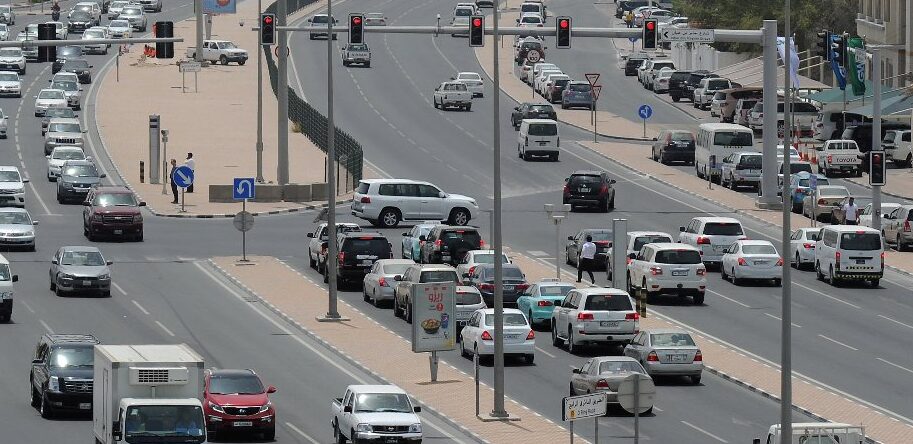
The Abu Dhabi Road Safety AI program is helping reduce accidents and improve emergency response across the emirate. Officials shared new data showing clear progress in road safety during recent events.
Since 2019, speed-related accidents have dropped from 15 percent to 9 percent. This change shows how smart systems and stricter rules are making roads safer.
A key part of the Abu Dhabi Road Safety AI plan is a new system for emergency vehicles. Ambulances, fire trucks, and police cars can now connect with traffic lights. This allows them to trigger green signals from up to 400 metres away.
Officials from Abu Dhabi Civil Defence said the system is already active in many vehicles. It helps clear the road quickly and safely during emergencies.
The system works by sending signals to traffic lights along the route. This opens the الطريق for emergency teams and reduces delays. Authorities said it improves response time without confusing other drivers.
The Abu Dhabi Road Safety AI program also uses smart tools to handle weather risks. After a major fog accident involving many vehicles last year, officials introduced a new system.
This system detects poor conditions such as fog, rain, or dust. It then sends alerts to drivers and lowers speed limits in real time. As a result, weather-related crashes have dropped by 50 percent.
An official from Abu Dhabi Police said the system was built after studying past incidents. The goal was to find a long-term solution to reduce risk.
Pedestrian safety has also improved under the Abu Dhabi Road Safety AI plan. Data from Integrated Transport Centre shows clear progress.
Pedestrian accidents dropped from 18 percent of total crashes in 2023 to 13 percent in 2025. Injuries and deaths among pedestrians also fell from 13 percent to 11 percent.
Authorities have built new pedestrian bridges in areas like Al Sila and Al Mafraq. Work is ongoing on 24 more bridges to improve safety.
In addition, four signal-controlled crossings are now active on Abu Dhabi Island. More crossings are under construction in Al Ain, with many more planned.
The next step in the Abu Dhabi Road Safety AI plan is predictive technology. Officials said artificial intelligence will soon help predict where accidents may happen.
These systems will study data and identify high-risk areas. This will allow authorities to take action before accidents occur. It marks a shift from reactive to proactive safety measures.
The results so far show strong progress. Road deaths in Abu Dhabi have dropped by 73 percent since 2011. Serious injuries are also down by 18 percent.
These results place the emirate among the safest regions for road use. It ranks first in the Middle East and North Africa and eighth globally for low road fatality rates.
The government now aims to reach the top five safest places in the world by 2030. The Abu Dhabi Road Safety AI program is expected to play a key role in reaching that goal.
With smart systems, faster emergency response, and data-driven planning, Abu Dhabi continues to improve safety for all road users.

