


Abu Dhabi is continuing to push forward with its long-term tourism strategy, even as regional tensions rise due to the Iran war. The city is facing global concerns over safety, but officials say development plans remain strong. The goal is to keep building Abu Dhabi as a major global travel destination.
The emirate has faced direct security risks in recent months. Missile and drone attacks linked to the conflict have reached parts of the United Arab Emirates. These incidents have raised concerns about regional stability. Still, leaders say tourism growth will not slow down. Instead, they say the focus is on strengthening the sector.
The Department of Culture and Tourism Abu Dhabi is leading the push to expand tourism in the capital. It recently confirmed a major $1.7 billion investment in a new immersive entertainment project called Sphere. The project will be operated by Sphere Entertainment Co, which first launched its flagship venue in Las Vegas in 2023.
Abu Dhabi is already known for large cultural and leisure investments. Officials say the city is now “doubling down” on tourism, even during global uncertainty. The aim is to protect its image as a safe and attractive destination for international visitors.
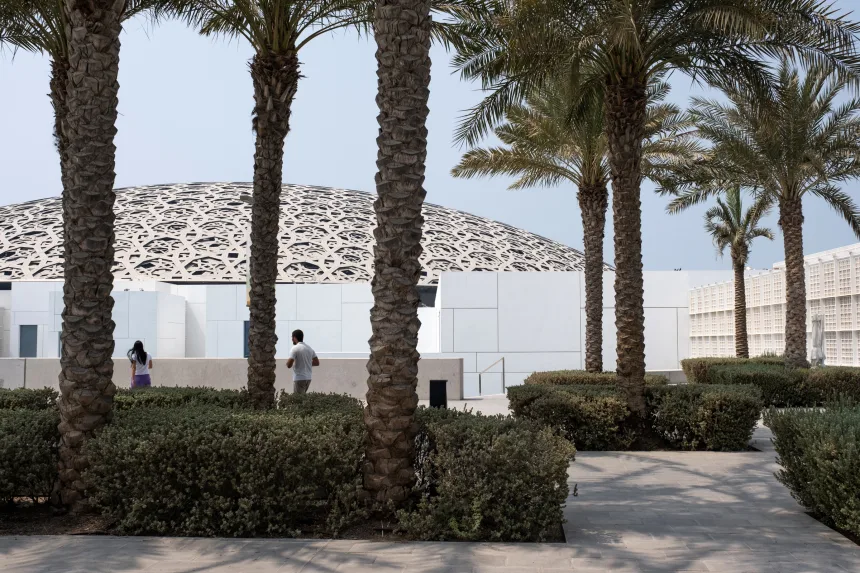
Tourism leaders say the strategy is part of a long-term economic plan. Abu Dhabi has been working for years to reduce its reliance on oil. It has invested heavily in museums, resorts, and cultural districts. One major example is Saadiyat Island, home to the Louvre Abu Dhabi, which is part of a wider cultural expansion project.
Officials reported strong tourism numbers before the recent tensions. In 2025, Abu Dhabi welcomed 26.6 million visitors and 5.9 million hotel guests. The long-term target is even higher. The emirate aims for 39.3 million annual visitors by 2030. It also wants tourism to contribute about AED 90 billion to the economy.
However, the conflict has affected travel patterns. Some missile and drone strikes have targeted infrastructure in the wider UAE region. These events have raised safety concerns among international travelers. One incident near a nuclear facility also caused alarm, although authorities confirmed there was no public danger.
The impact has already been seen in tourism performance. Hotel occupancy dropped sharply during the Eid al-Fitr period earlier this year. Flight schedules were also disrupted across the region. Some airlines have not fully restored services yet, affecting travel demand.
Despite this, officials say recovery signs are emerging. Tourism leaders report that international visitors are gradually returning. Airlines are also increasing capacity again. Abu Dhabi’s main carrier, Etihad Airways, is operating at about 80% capacity, showing a slow but steady recovery.
Experts say perception is now the key challenge. If travelers feel safe, demand will return faster. Analysts believe Abu Dhabi will focus heavily on marketing and global messaging. They also expect strong investment in visitor experience and infrastructure to rebuild confidence.
One of the biggest upcoming projects is the Abu Dhabi Sphere on Yas Island. The venue is expected to open in 2029. It will offer large-scale immersive shows and concerts, similar to the Las Vegas version. Officials say it will turn Yas Island into a major global entertainment hub.
Tourism leaders insist that long-term plans remain unchanged. New attractions, including cultural landmarks and theme parks, are still moving forward. The upcoming Guggenheim museum project is also expected to open soon, adding to the city’s cultural appeal.
In 2025, the Abu Dhabi Tourism Strategy 2030 outlined billions in planned investment. It focuses on infrastructure, marketing, and global partnerships. Officials say this strategy is designed to withstand short-term disruptions and support steady growth.
Industry experts agree that tourism in the region is a long-term effort. Despite current tensions, they believe Abu Dhabi has strong financial resources and planning systems. This gives the emirate the ability to continue building its tourism sector even during uncertain times.
Leaders in Abu Dhabi say the message is clear. The city remains open for visitors and committed to growth. While challenges remain, the long-term vision is focused on expansion, stability, and global tourism leadership.

